Rubiaceae
Gardenia (Gardenia spp.): Complete Care Guide
Gardenia
Gardenias need consistently moist (never soggy or bone-dry) acidic soil, bright indirect light, and high humidity. Inconsistent watering, alkaline soil, or sudden temperature swings commonly trigger bud drop and yellowing leaves.
Every 4 days
Bright indirect
15° - 27°C
50% - 70%
Categories
What is Gardenia?
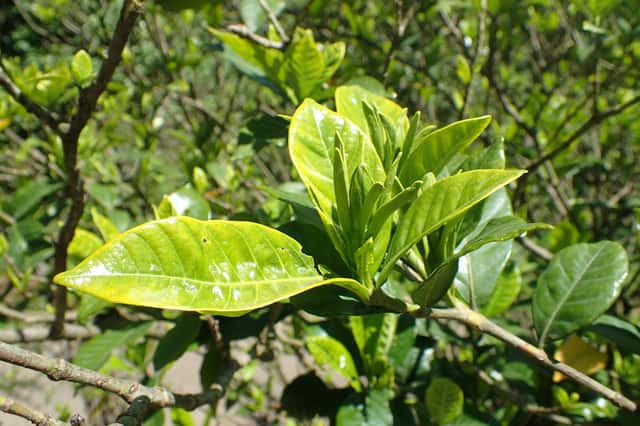
Gardenia (Gardenia) is a hard-care plant from the Rubiaceae family. Gardenia is a genus of roughly 140 species of evergreen shrubs and small trees in the coffee family (Rubiaceae), native to tropical and subtropical regions of Africa, Asia, and Oceania. The most widely cultivated ornamental species is Gardenia jasminoides (Cape Jasmine), prized for its intensely fra...
Gardenia grows up to 1.8m, spread of 150cm, watering every 4 days, 15°C – 27°C, 50–70% humidity. It is suitable for indoor environments and not safe for pets.
Unlike easy-care plants, Gardenia demands constant attention to humidity and light. Not recommended for beginners. Without precautions, ingestion can cause irritation in pets. Keep out of reach of cats and dogs. Without adequate drainage, root rot can develop within 8 days.
How to Care for Gardenia?
TLDR: Gardenia needs Bright indirect, watering every 4 days, and temperatures between 15-27°C with 50-70% humidity.
How Often Should You Water Gardenia?
Keep the soil evenly moist, watering once the top inch starts to dry out. Use rainwater or filtered water to avoid raising soil pH with lime, and avoid letting the plant swing between soggy and bone-dry.
How Much Light Does Gardenia Need?
Gardenias thrive with morning direct sun and filtered or dappled shade in the afternoon. Indoors, place near a bright window with at least 6-8 hours of strong indirect light daily.
What Is the Best Soil for Gardenia?
Use acidic, well-draining, organically rich soil (pH 5.0-6.5) — potting mixes formulated for azaleas or camellias work well. Avoid alkaline or limey soil, which causes iron chlorosis (yellow leaves with green veins).
What Pot Should You Use for Gardenia?
A container with ample drainage holes, ceramic or plastic, only slightly larger than the root ball; avoid oversized pots that hold excess moisture.
Care Schedule
Fertilize
Every 60 days
Misting
Every 3 days
Repot
Every 730 days
What Is Gardenia and Where Does It Come From?
Gardenia is a genus of roughly 140 species of evergreen shrubs and small trees in the coffee family (Rubiaceae), native to tropical and subtropical regions of Africa, Asia, and Oceania. The most widely cultivated ornamental species is Gardenia jasminoides (Cape Jasmine), prized for its intensely fragrant, waxy white flowers and glossy dark-green foliage. A classic garden and container plant in mild climates, gardenia has a reputation for being finicky about its growing conditions.
How to Propagate Gardenia?
Semi-hardwood stem cutting
Cover with a plastic bag or propagation dome to hold humidity high and speed rooting; keep out of direct sun during the process.
- 1 Take a healthy 4-6 in (10-15 cm) semi-hardwood cutting just below a node
- 2 Strip leaves from the bottom half of the cutting
- 3 Dip the cut end in rooting hormone
- 4 Insert into a light, acidic mix (peat plus sand or perlite)
- 5 Keep warm, humid, and in bright indirect light until roots form
Materials needed:
How Big Does Gardenia Grow?
TLDR: Gardenia can reach up to 1.8m tall with Slow growth rate.
Max height
1.8m
Spread
1.5m
Growth rate
Slow
Foliage
Evergreen
Warning: Toxic Plant
This plant can be toxic if ingested. Keep out of reach of:
Plant Uses
Ornamental
Great for decoration
Aromatic
Pleasant fragrance
Medicinal Uses
- In traditional Chinese medicine, the dried fruit of Gardenia jasminoides (Zhi Zi) has historically been used as an anti-inflammatory and calming remedy, though robust scientific evidence for home use is lacking
Culinary Uses
- Gardenia jasminoides fruit is traditionally used across East Asia as a natural yellow dye for food and textiles
Is your plant showing symptoms?
Click on the symptom to discover possible causes:
What Diseases Commonly Affect Gardenia?
TLDR: Gardenia is susceptible to 12 known diseases. Monitor regularly for early detection.
Root Rot
Root rot is a serious fungal disease that affects the root system of plants, causing them to decay and die. It is primarily caused by overwatering, poor drainage, or soil-borne fungi such as Pythium, Phytophthora, Rhizoctonia, and Fusarium. The disease thrives in waterlogged conditions where roots are deprived of oxygen, making them susceptible to fungal infection.
Powdery Mildew
Powdery mildew is a common fungal disease caused by various fungi species including Erysiphe, Podosphaera, Oïdium, and Leveillula. It affects over 10,000 plant species worldwide. The disease thrives in warm, dry climates with high humidity and appears as a distinctive white powdery coating on plant surfaces.
Phomopsis Tip Blight
A disease caused by the Phomopsis fungus that kills young shoots and causes brown spots on leaves. It thrives in humid conditions and spreads through water splashes.
Sooty Mold
Sooty mold is a fungal disease that develops on surfaces coated with honeydew, a sticky sweet substance secreted by sap-sucking insects like aphids, scale insects, and whiteflies. While it does not directly infect plant tissue, it reduces photosynthetic capacity by blocking sunlight and diminishes the plant's aesthetic appearance.
Meaning & Symbolism
In the language of flowers, gardenia symbolizes purity, secret love, and refinement, traditionally conveying the message 'you're lovely.'
Fun Facts
The genus is named after 18th-century Scottish-American botanist and naturalist Alexander Garden
Cut gardenia flowers keep releasing fragrance even after cutting, which is why they are prized in fine perfumery
Gardenia jasminoides fruit has been used for centuries across Asia as a natural yellow dye
Frequently asked questions
Why are my gardenia's leaves turning yellow?
Why do gardenia buds fall off before opening?
Are gardenias toxic to cats and dogs?
When is the best time to prune a gardenia?
Compare with similar plants
| Attribute | Difficulty | Light | Watering | Pet Safe |
|---|---|---|---|---|
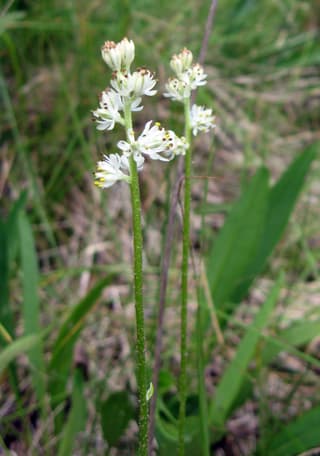
| Sticky false asphodel | Hard | Bright indirect | 1d | ✓ |
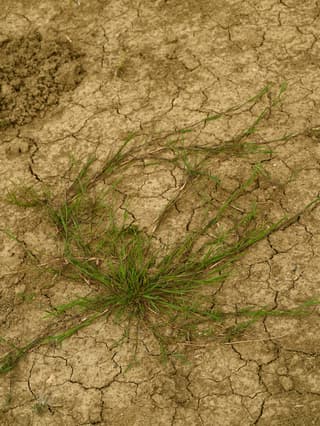
| Creeping bentgrass | Hard | Direct sun | 3d | ✓ |
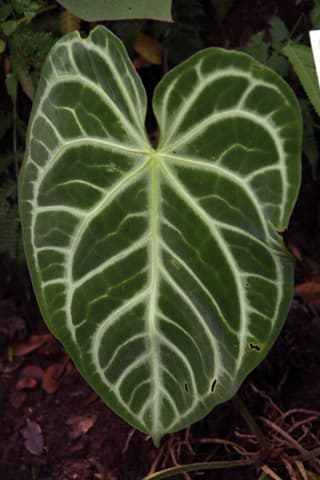
| Crystal Anthurium | Hard | Partial shade | 7d | ⚠️ |
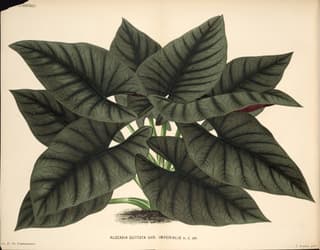
| Alocasia Nebula | Hard | Bright indirect | 6d | ⚠️ |