Asparagaceae
Hosta undulata (Wavy-Leaf Plantain Lily): The Complete Care Guide
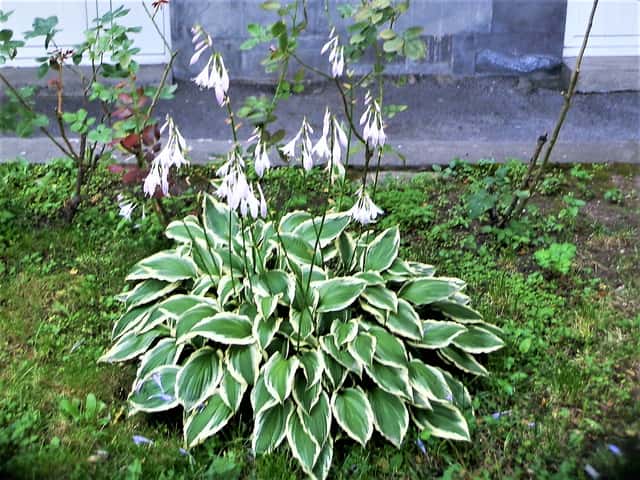
Hosta undulata
Hosta undulata thrives in partial to full shade with consistently moist, well-draining soil rich in organic matter. Water weekly, allow soil to stay evenly moist but never waterlogged. Apply a balanced slow-release fertilizer monthly during the growing season. Divide clumps every 2-3 years to maintain vigor.
Every 7 days
Low light
-34° - 32°C
50% - 70%
Categories
What is Wavy-Leaf Plantain Lily?
Wavy-Leaf Plantain Lily (Hosta undulata) is a easy-care plant from the Asparagaceae family. Hosta undulata, commonly known as the Wavy-Leaf Plantain Lily, is a classic shade-garden perennial originating from cultivated forms developed in Japan. It is prized for its striking variegated foliage — creamy white centers surrounded by wavy green margins — which creates dramatic contrast in low-l...
Wavy-Leaf Plantain Lily grows up to 60cm, spread of 90cm, watering every 7 days, -34°C – 32°C, 50–70% humidity. It is not suitable for indoor environments and not safe for pets.
Unlike many tropical plants, Wavy-Leaf Plantain Lily tolerates watering mistakes. Best for beginners. Without precautions, ingestion can cause irritation in pets. Keep out of reach of cats and dogs.
How to Care for Wavy-Leaf Plantain Lily?
TLDR: Wavy-Leaf Plantain Lily needs Low light, watering every 7 days, and temperatures between -34-32°C with 50-70% humidity.
How Often Should You Water Wavy-Leaf Plantain Lily?
Water deeply once a week, increasing to twice weekly during hot spells. Allow the top inch of soil to dry slightly between waterings. Avoid wetting the foliage to reduce fungal disease risk. Reduce watering frequency as temperatures cool in autumn.
How Much Light Does Wavy-Leaf Plantain Lily Need?
Provide partial to full shade — morning sun with afternoon shade is ideal. Direct afternoon sun will scorch and bleach the variegated leaves. Deep shade results in less vigorous growth. Dappled light under deciduous trees is the perfect environment.
What Is the Best Soil for Wavy-Leaf Plantain Lily?
Use rich, humus-laden, well-draining soil. Amend with compost or leaf mold at planting. A slightly acidic to neutral pH of 6.0–7.5 is preferred. Avoid heavy clay or sandy soils; mulch around the base to retain moisture and suppress weeds.
What Pot Should You Use for Wavy-Leaf Plantain Lily?
Wide, low ceramic or terracotta pot (not recommended for containers long-term; best as a garden specimen)
Care Schedule
Fertilize
Every 30 days
Repot
Every 730 days
What Is Wavy-Leaf Plantain Lily and Where Does It Come From?
Hosta undulata, commonly known as the Wavy-Leaf Plantain Lily, is a classic shade-garden perennial originating from cultivated forms developed in Japan. It is prized for its striking variegated foliage — creamy white centers surrounded by wavy green margins — which creates dramatic contrast in low-light garden settings. In summer, it sends up tall scapes bearing delicate lavender to white trumpet-shaped flowers. Fully deciduous, it dies back to the ground in winter and re-emerges each spring with fresh, vigorous growth.
How to Propagate Wavy-Leaf Plantain Lily?
Clump Division
Division is best done in early spring or early autumn. Avoid dividing in summer heat. Clean tools with alcohol between cuts to prevent disease spread.
- 1 Dig up the entire hosta clump in early spring as new shoots emerge
- 2 Use a sharp spade or garden fork to divide the clump into sections, each with at least 2-3 eyes
- 3 Replant divisions at the same depth, spacing 60-90 cm apart
- 4 Water thoroughly after planting and keep consistently moist during establishment
Materials needed:
How Big Does Wavy-Leaf Plantain Lily Grow?
TLDR: Wavy-Leaf Plantain Lily can reach up to 60cm tall with Slow growth rate.
Max height
60cm
Spread
90cm
Growth rate
Slow
Foliage
Deciduous
Warning: Toxic Plant
This plant can be toxic if ingested. Keep out of reach of:
Plant Uses
Ornamental
Great for decoration
Ground Cover
Soil coverage
Is your plant showing symptoms?
Click on the symptom to discover possible causes:
What Diseases Commonly Affect Wavy-Leaf Plantain Lily?
TLDR: Wavy-Leaf Plantain Lily is susceptible to 11 known diseases. Monitor regularly for early detection.
Anthracnose
Anthracnose is a fungal disease caused by fungi in the genus Colletotrichum that affects many plants, including vegetables, fruits, and trees. The disease thrives in cool, wet conditions, causing dark, sunken lesions on leaves, stems, flowers, and fruits.
Bacterial Soft Rot
Bacterial soft rot is a destructive plant disease caused primarily by bacteria from the genera Pectobacterium (formerly Erwinia) and Dickeya. These bacteria produce enzymes that break down plant cell walls, causing rapid and foul-smelling tissue decomposition. It mainly affects succulent tissues such as tubers, fruits, stems, and bulbs, being especially problematic in warm and humid conditions.
Cercospora Leaf Spot
Cercospora leaf spot is a common fungal disease caused by Cercospora species that affects many plant types, particularly beets, roses, and leafy vegetables. The disease thrives in warm, humid conditions and can cause significant defoliation, reducing plant vigor and yield. It spreads rapidly through water splash, wind, and contaminated tools.
Fusarium Wilt
Fusarium wilt is a serious fungal disease caused by the soil-borne fungus Fusarium oxysporum. The fungus invades roots and blocks the water-conducting vessels (xylem) of the plant, causing progressive wilting and eventual death. Host-specific forms of the pathogen exist that attack different plant species.
Meaning & Symbolism
In Japanese garden tradition, hostas symbolize patience, quiet devotion, and the beauty found in shade — representing resilience and the ability to flourish where others cannot.
Fun Facts
Hosta undulata is a cultivated hybrid developed in Japan; its exact wild origin remains debated among botanists.
The wavy leaf margins that give it the name "undulata" are a stable mutation that breeds true from division.
Hostas are among the few ornamental perennials that actually prefer shade, making them invaluable in difficult garden spots.
A single hosta clump can live for decades, slowly expanding and becoming more impressive with age.
Frequently asked questions
How often should I water Hosta undulata?
Is Hosta undulata toxic to pets?
Can Hosta undulata grow indoors?
Why are my hosta leaves turning yellow?
When does Hosta undulata flower?
Compare with similar plants
| Attribute | Difficulty | Light | Watering | Pet Safe |
|---|---|---|---|---|
| Field Maple | Easy | Bright indirect | 14d | ✓ |
| Silver Birch | Easy | Direct sun | 14d | ✓ |
| Cushion Bush | Easy | Direct sun | 14d | ✓ |
| Peruvian peppertree | Easy | Direct sun | 14d | ⚠️ |





