Myrtaceae
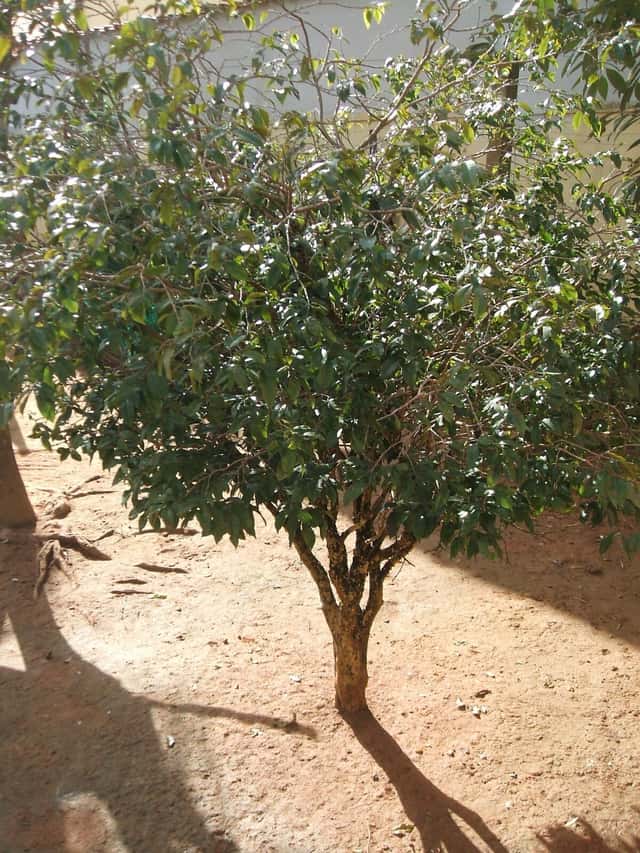
Jaboticaba: Edible Plant
Plinia jaboticaba
Jaboticaba thrives in well-draining, rich, deep soil with slightly acidic pH (5.5–6.5). It requires abundant light and warmth for flowering and fruiting, though it tolerates partial shade in very hot climates. During the growing season (spring–summer), keep soil consistently moist but not waterlogged, as excessive moisture causes root rot. The tree is cold-sensitive and requires protection below 50°F (10°C). Fertilize approximately three times per year during the growing season with formulations rich in phosphorus and micronutrients. Prune several times yearly (except winter) to maintain shape. Suitable for outdoor planting in USDA hardiness zones 9–11 and for container cultivation in cooler climates.
Every 3 days
Bright indirect
-3° - 28°C
70% - 90%
Categories
What is Jaboticaba?
Jaboticaba (Plinia jaboticaba) is a medium-care plant from the Myrtaceae family. Jaboticaba is a slow-growing, tropical evergreen fruit tree native to Brazil, belonging to the Myrtaceae family. It is renowned for its distinctive fruiting habit called cauliflory, where small white flowers and subsequent dark purple berries emerge directly from the trunk and older branches. The fr...
Jaboticaba grows up to 8.0m, spread of 350cm, watering every 3 days, -3°C – 28°C, 70–90% humidity. It is suitable for indoor environments and safe for pets.
Unlike many popular species, Jaboticaba is safe to keep around pets. Without adequate drainage, root rot can develop within 7 days.
How to Care for Jaboticaba?
TLDR: Jaboticaba needs Bright indirect, watering every 3 days, and temperatures between -3-28°C with 70-90% humidity.
How Often Should You Water Jaboticaba?
Keep soil consistently moist during spring and summer, but never waterlogged. Jaboticaba has poor drought tolerance; dry periods cause leaf tip burn and leaf drop. Use slightly acidic or neutral water. In winter, reduce watering and allow the soil surface to dry before watering again. Drip irrigation or bubbler systems are ideal for mature trees to maintain even moisture.
How Much Light Does Jaboticaba Need?
Jaboticaba requires warmth and abundant sunlight for flowering and fruiting. Plant in full sun or mostly sunny locations. In very hot climates (above 95°F/35°C), provide partial shade during peak afternoon hours to prevent leaf scorch. Indoor specimens need bright light from a south-facing window or supplemental grow lights to thrive.
What Is the Best Soil for Jaboticaba?
Soil must be well-draining, rich in organic matter, deep, and slightly acidic (pH 5.5–6.5, tolerating 4.5–8). Avoid heavy, compacted, or alkaline clay soils; in regions with alkaline soils, apply soil amendments to lower pH. A mixture similar to azalea soil (such as Kanuma) is ideal. Excellent drainage is essential to prevent root rot, as jaboticaba is sensitive to waterlogging.
What Pot Should You Use for Jaboticaba?
Use containers with adequate drainage holes and porous materials such as terracotta or ceramic. For larger specimens, containers of 5–8 gallons or larger are suitable. Use an azalea-like soil mixture (such as Kanuma) that retains some moisture while providing excellent drainage.
Care Schedule
Fertilize
Every 40 days
Repot
Every 730 days
What Is Jaboticaba and Where Does It Come From?
Jaboticaba is a slow-growing, tropical evergreen fruit tree native to Brazil, belonging to the Myrtaceae family. It is renowned for its distinctive fruiting habit called cauliflory, where small white flowers and subsequent dark purple berries emerge directly from the trunk and older branches. The fruits are thick-skinned berries with sweet, white or rosy-pink gelatinous pulp inside, resembling grapes in flavor and texture. Dense and profusely branched, the tree develops a rounded crown and can live for decades. It is valued both as an ornamental specimen for its unique structure and as a productive fruit tree, with cultural significance dating back centuries in Brazil.
How Big Does Jaboticaba Grow?
TLDR: Jaboticaba can reach up to 8.0m tall with Slow growth rate.
Max height
8.0m
Spread
3.5m
Growth rate
Slow
Foliage
Evergreen
Plant Uses
Ornamental
Great for decoration
Edible
Can be consumed
Medicinal Uses
- Traditional decoction of sun-dried skins used for hemoptysis, asthma, diarrhea, and dysentery
- Gargle preparation for chronic throat inflammation and tonsillitis
- Bark astringent preparation for digestive disorders
- Fruit rich in vitamin C and polyphenols for immune support
- Bioactive compounds support lipid and glucose metabolism, reduce inflammation
Culinary Uses
- Eaten fresh as a dessert fruit
- Juices and nectars
- Jams, jellies, and preserves
- Fermented beverages including wines and liqueurs
- Vinegars and artisanal products
Is your plant showing symptoms?
Click on the symptom to discover possible causes:
What Diseases Commonly Affect Jaboticaba?
TLDR: Jaboticaba is susceptible to 5 known diseases. Monitor regularly for early detection.
Rust
Rust is a common fungal disease caused by fungi in the order Pucciniales that affects a wide variety of plants. The disease gets its name from the characteristic orange, yellow, or reddish-brown pustules that appear on leaves, resembling metal rust. This obligate fungal parasite requires living plants to survive and can cause significant economic losses in agricultural crops.
Phytophthora Root Rot
Disease caused by fungus-like organisms (oomycetes) that live in soil and can survive for years. It affects roots, stem, and crown of plants, being especially severe in waterlogged or poorly drained soils. It is the second most common cause of root rot in trees and shrubs.
Powdery Mildew
Powdery mildew is a common fungal disease caused by various fungi species including Erysiphe, Podosphaera, Oïdium, and Leveillula. It affects over 10,000 plant species worldwide. The disease thrives in warm, dry climates with high humidity and appears as a distinctive white powdery coating on plant surfaces.
Grey Mould
Meaning & Symbolism
In Brazilian culture, jaboticaba symbolizes natural abundance and connection to indigenous heritage and traditions. The fruit's prolific growth along the trunk represents generosity and plenty.
Compare with similar plants
| Attribute | Difficulty | Light | Watering | Pet Safe |
|---|---|---|---|---|
| Dark Fieldcap | Medium | Low light | 2d | ⚠️ |
| Azalea | Medium | Partial shade | 3d | ⚠️ |
| Muriel's Bamboo | Medium | Partial shade | 3d | ✓ |
| Bougainvillea | Medium | Direct sun | 7d | ⚠️ |
Choose & Compare
Sources & References
- HS1519/HS1519: Jaboticaba: A Unique Fruit Tree for Florida Home Gardeners — UF/IFAS
- Care guide for the Jabuticaba Bonsai tree (Plinia cauliflora) — Bonsai Empire
- Care Guide: Jaboticaba — Wellspring Gardens
- Jaboticaba — UF/IFAS Gardening Solutions
- Jabuticaba — Wikipedia
- Phytochemistry and health benefits of jaboticaba, an emerging fruit crop from Brazil — ScienceDirect
- Jaboticaba — California Rare Fruit Growers, Inc.




