Apocynaceae
Madagascar Jasmine: Aromatic Plant
Stephanotis floribunda
Caring for Madagascar jasmine requires patience and consistency. It needs bright, indirect light, high humidity (50–70%), and a winter dormancy period (10–16°C). Watering should be done regularly in spring and summer, and moderately in winter. Avoid sudden temperature changes, which cause bud drop.
Every 7 days
Bright indirect
10° - 27°C
50% - 70%
Categories
What is Madagascar Jasmine?
Madagascar Jasmine (Stephanotis floribunda) is a hard-care plant from the Apocynaceae family. Stephanotis floribunda (Madagascar jasmine) is an evergreen climbing plant in the Apocynaceae family, native to the tropical rainforests of Madagascar. It is characterized by star-shaped, snow-white, waxy flowers with an intense, sweet fragrance that appear in spring and summer. The plant's strong v...
Madagascar Jasmine grows up to 6.0m, spread of 150cm, watering every 7 days, 10°C – 27°C, 50–70% humidity. It is suitable for indoor environments and safe for pets.
Unlike easy-care plants, Madagascar Jasmine demands constant attention to humidity and light. Not recommended for beginners. Unlike many popular species, Madagascar Jasmine is safe to keep around pets. Without adequate drainage, root rot can develop within 14 days.
How to Care for Madagascar Jasmine?
TLDR: Madagascar Jasmine needs Bright indirect, watering every 7 days, and temperatures between 10-27°C with 50-70% humidity.
How Often Should You Water Madagascar Jasmine?
Keep the soil slightly moist in spring and summer, watering weekly (approx. every 7 days). In winter, allow the top layer of the substrate to dry out between waterings. Use only soft, room-temperature water—hard water causes chlorosis. Never let the plant sit in water.
How Much Light Does Madagascar Jasmine Need?
Bright, indirect light is required year-round. An ideal location is near an east or southeast window, where the plant receives morning sunlight but is protected from the hot midday sun. It will not bloom in low-light conditions.
What Is the Best Soil for Madagascar Jasmine?
It thrives in well-draining, nutrient-rich, slightly acidic soil (pH 5.5–6.5). Use a mixture of potting soil and perlite/sand (2:1 ratio). Orchid mix or loosened general-purpose potting soil is also suitable. Good drainage is essential to prevent root rot.
What Pot Should You Use for Madagascar Jasmine?
A medium-sized pot with drainage holes or a terracotta pot is recommended, which allows the soil to dry quickly. The plant requires a trellis (lattice or stake) for its climbing vines to cling to. Repot into a slightly larger container every 2–3 years.
Care Schedule
Fertilize
Every 14 days
Misting
Every 3 days
Repot
Every 730 days
What Is Madagascar Jasmine and Where Does It Come From?
Stephanotis floribunda (Madagascar jasmine) is an evergreen climbing plant in the Apocynaceae family, native to the tropical rainforests of Madagascar. It is characterized by star-shaped, snow-white, waxy flowers with an intense, sweet fragrance that appear in spring and summer. The plant's strong vines can climb 4–6 meters with the help of a support structure. It gained worldwide fame as a bridal flower—Grace Kelly even decorated her wedding bouquet with it. Indoor cultivation is challenging: it is sensitive to temperature fluctuations, direct sunlight, and watering errors.
How to Propagate Madagascar Jasmine?
How Big Does Madagascar Jasmine Grow?
TLDR: Madagascar Jasmine can reach up to 6.0m tall with Medium growth rate.
Max height
6.0m
Spread
1.5m
Growth rate
Medium
Foliage
Evergreen
Plant Uses
Ornamental
Great for decoration
Aromatic
Pleasant fragrance
Is your plant showing symptoms?
Click on the symptom to discover possible causes:
What Diseases Commonly Affect Madagascar Jasmine?
TLDR: Madagascar Jasmine is susceptible to 12 known diseases. Monitor regularly for early detection.
Root Rot
Root rot is a serious fungal disease that affects the root system of plants, causing them to decay and die. It is primarily caused by overwatering, poor drainage, or soil-borne fungi such as Pythium, Phytophthora, Rhizoctonia, and Fusarium. The disease thrives in waterlogged conditions where roots are deprived of oxygen, making them susceptible to fungal infection.
Mealybugs
Mealybugs are small, soft-bodied insects covered with a white, waxy, cottony material. They are common pests of houseplants and outdoor plants in mild climates. These sap-sucking insects feed on plant tissue, causing damage, stunted growth, and can lead to plant death if left untreated. They produce sticky honeydew which attracts sooty mold.
Spider Mites
Spider mites are tiny arachnids (less than 1/20 inch long) related to spiders and ticks that feed on plant sap. They thrive in hot, dry conditions and can cause significant damage to ornamental and vegetable plants. During severe infestations, crop losses can reach 14% or higher as these pests disrupt vital plant processes including photosynthesis, carbon dioxide absorption, and transpiration.
Aphids
Aphids are small, soft-bodied, pear-shaped insects (1/16 to 1/8 inch long) that feed by sucking nutrient-rich sap from plants. They reproduce rapidly and can quickly weaken plants, causing distorted growth and transmitting plant viruses. Aphids come in various colors including green, black, red, yellow, brown, and gray. They secrete honeydew, a sticky substance that attracts ants and encourages sooty mold growth.
Meaning & Symbolism
Stephanotis is a symbol of marital happiness and eternal love. Its name originates from the Greek 'stephanos' (crown), referring to the shape of its flowers. It has been a favorite flower for brides for centuries—Grace Kelly also wore it in her wedding bouquet. It also symbolizes luck, wanderlust, and good fortune.
Compare with similar plants
| Attribute | Difficulty | Light | Watering | Pet Safe |
|---|---|---|---|---|
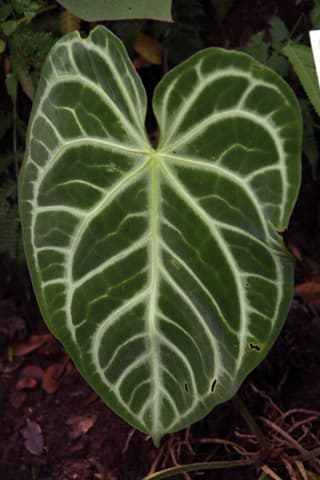
| Crystal Anthurium | Hard | Partial shade | 7d | ⚠️ |
| Delicate violet orchid | Hard | Bright indirect | 2d | ✓ |
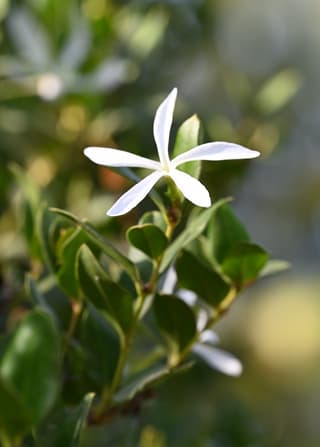
| Natal Plum | Easy | Direct sun | 10d | ⚠️ |
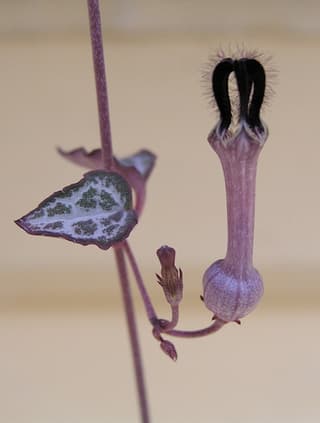
| Rosary Vine | Easy | Bright indirect | 14d | ✓ |