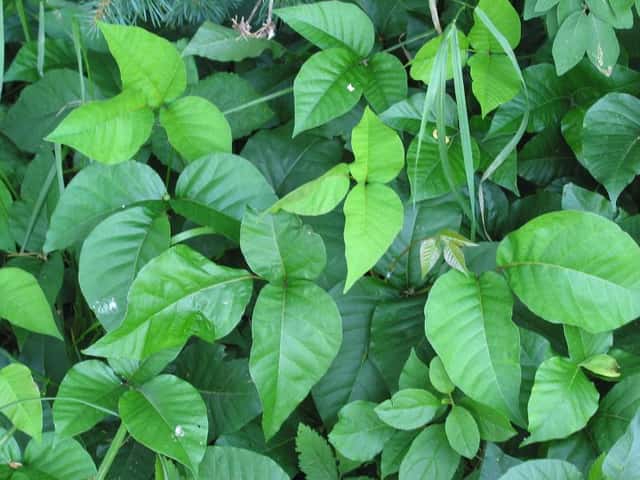
Anacardiaceae
Toxicodendron – The Complete Guide to Poison Ivy, Oak, and Sumac
Toxicodendron
Toxicodendron species are hardy outdoor plants that thrive in full sun to partial shade with moderate watering. They are highly adaptable, tolerating poor soils and a wide range of conditions. Extreme caution is required when handling any part of the plant due to urushiol content. Wear full protective clothing and gloves at all times. Not suitable for indoor cultivation.
Every 7 days
Bright indirect
-20° - 35°C
30% - 70%
Categories
What is Poison Ivy?
Poison Ivy (Toxicodendron) is a hard-care plant from the Anacardiaceae family. Toxicodendron is a genus of approximately 29 species of flowering plants, shrubs, vines, and trees in the family Anacardiaceae. Native to North America and Asia, the genus includes the notorious poison ivy (T. radicans), poison oak (T. diversilobum, T. pubescens), poison sumac (T. vernix), and the A...
Poison Ivy grows up to 20.0m, spread of 300cm, watering every 7 days, -20°C – 35°C, 30–70% humidity. It is not suitable for indoor environments and not safe for pets.
Unlike easy-care plants, Poison Ivy demands constant attention to humidity and light. Not recommended for beginners. Without precautions, ingestion can cause irritation in pets. Keep out of reach of cats and dogs.
How to Care for Poison Ivy?
TLDR: Poison Ivy needs Bright indirect, watering every 7 days, and temperatures between -20-35°C with 30-70% humidity.
How Often Should You Water Poison Ivy?
Water deeply but infrequently, approximately once per week during the growing season. Allow the soil to dry slightly between waterings. These plants are adapted to natural rainfall patterns and do not require supplemental irrigation once established in suitable climates.
How Much Light Does Poison Ivy Need?
Tolerates full sun to partial shade. Most species thrive with 6–10 hours of direct sunlight daily. In hotter climates, afternoon shade helps prevent leaf scorch. Climbing forms grow as vines in shaded woodland understory.
What Is the Best Soil for Poison Ivy?
Prefers well-drained soil with an acidic pH of 4.0–6.5. Tolerates poor, rocky, sandy, or clay soils. Avoid waterlogged conditions. No special soil amendments required for established plants.
What Is Poison Ivy and Where Does It Come From?
Toxicodendron is a genus of approximately 29 species of flowering plants, shrubs, vines, and trees in the family Anacardiaceae. Native to North America and Asia, the genus includes the notorious poison ivy (T. radicans), poison oak (T. diversilobum, T. pubescens), poison sumac (T. vernix), and the Asian lacquer tree (T. vernicifluum). All species produce urushiol, an oily resin found in all plant parts that causes severe allergic contact dermatitis in most humans and animals. The plants are typically deciduous, displaying spectacular autumn foliage in shades of red, orange, and yellow before leaf drop.
How to Propagate Poison Ivy?
Seed Propagation
Handle all plant material with gloves and protective clothing. Wash hands thoroughly after any contact.
- 1 Collect ripe whitish drupes in autumn
- 2 Clean seeds and cold-stratify for 60 days
- 3 Sow in acidic, well-draining seed mix in spring
- 4 Keep moist until germination
Materials needed:
Stem Cutting
Always wear gloves and protective gear when handling cuttings. Even dead plant material retains urushiol for years.
- 1 Take a 15 cm cutting from healthy new growth in summer
- 2 Remove lower leaves
- 3 Place in moist, well-draining growing medium
- 4 Keep in a warm, bright spot out of direct sun
Materials needed:
How Big Does Poison Ivy Grow?
TLDR: Poison Ivy can reach up to 20.0m tall with Medium growth rate.
Max height
20.0m
Spread
3.0m
Growth rate
Medium
Foliage
Deciduous
Warning: Toxic Plant
This plant can be toxic if ingested. Keep out of reach of:
Plant Uses
Ornamental
Great for decoration
Medicinal
Medicinal properties
Medicinal Uses
- Traditional use of lacquer from T. vernicifluum in Asian lacquerware and art
- T. succedaneum kernel oil has been studied for biodiesel production
Is your plant showing symptoms?
Click on the symptom to discover possible causes:
What Diseases Commonly Affect Poison Ivy?
TLDR: Poison Ivy is susceptible to 5 known diseases. Monitor regularly for early detection.
Root Rot
Root rot is a serious fungal disease that affects the root system of plants, causing them to decay and die. It is primarily caused by overwatering, poor drainage, or soil-borne fungi such as Pythium, Phytophthora, Rhizoctonia, and Fusarium. The disease thrives in waterlogged conditions where roots are deprived of oxygen, making them susceptible to fungal infection.
Powdery Mildew
Powdery mildew is a common fungal disease caused by various fungi species including Erysiphe, Podosphaera, Oïdium, and Leveillula. It affects over 10,000 plant species worldwide. The disease thrives in warm, dry climates with high humidity and appears as a distinctive white powdery coating on plant surfaces.
Leaf Spot
Leaf spot is a common fungal disease caused by various pathogens including Alternaria, Ascochyta, Colletotrichum, Septoria, and Venturia. It primarily affects leaves, causing discolored spots that can lead to premature leaf drop if left untreated.
Aphids
Aphids are small, soft-bodied, pear-shaped insects (1/16 to 1/8 inch long) that feed by sucking nutrient-rich sap from plants. They reproduce rapidly and can quickly weaken plants, causing distorted growth and transmitting plant viruses. Aphids come in various colors including green, black, red, yellow, brown, and gray. They secrete honeydew, a sticky substance that attracts ants and encourages sooty mold growth.
Meaning & Symbolism
In Indigenous North American traditions, Toxicodendron plants symbolize caution, boundaries, and respect for the natural world. Their striking autumn colors are associated with the seasonal cycle of change and renewal.
Fun Facts
The word Toxicodendron comes from Greek: toxikon (poison) + dendron (tree).
Poison sumac (T. vernix) is considered one of the most toxic plants in the United States, more virulent than poison ivy.
The lacquer produced from T. vernicifluum has been used in Asian art for over 4,000 years.
Urushiol remains allergenic in dead plant material for decades — even in herbarium specimens over 100 years old.
Frequently asked questions
Is Toxicodendron (poison ivy/oak) dangerous to touch?
Can I grow Toxicodendron in my garden?
Is Toxicodendron toxic to cats and dogs?
What does poison ivy look like?
Does the lacquer tree belong to the Toxicodendron genus?
Compare with similar plants
| Attribute | Difficulty | Light | Watering | Pet Safe |
|---|---|---|---|---|
| Peruvian peppertree | Easy | Direct sun | 14d | ⚠️ |
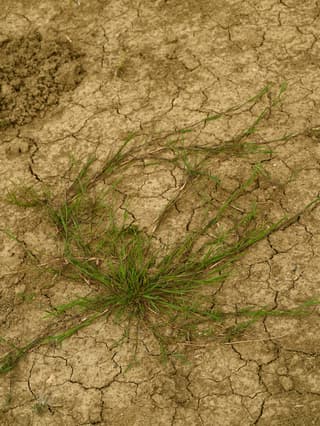
| Creeping bentgrass | Hard | Direct sun | 3d | ✓ |
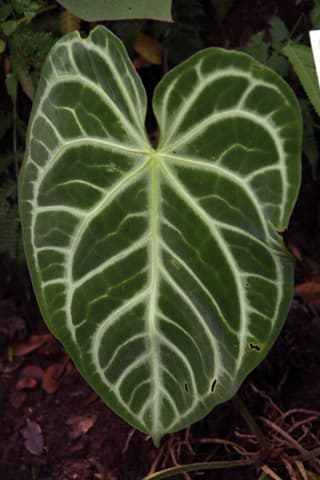
| Crystal Anthurium | Hard | Partial shade | 7d | ⚠️ |
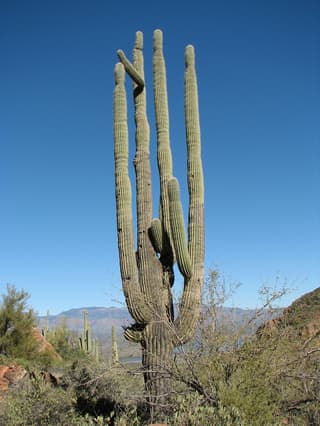
| Saguaro | Hard | Direct sun | 21d | ✓ |