Malvaceae
Kapok Tree (Ceiba pentandra)
Ceiba pentandra
A fast-growing, full-sun tree, the kapok requires wide open space and deep, well-drained soil. Young saplings need regular watering until established; mature trees tolerate drought well. It is naturally resistant to pests and disease, though waterlogged soil can lead to trunk rot.
Every 10 days
Direct sun
18° - 35°C
60% - 90%
Categories
What is Kapok Tree?
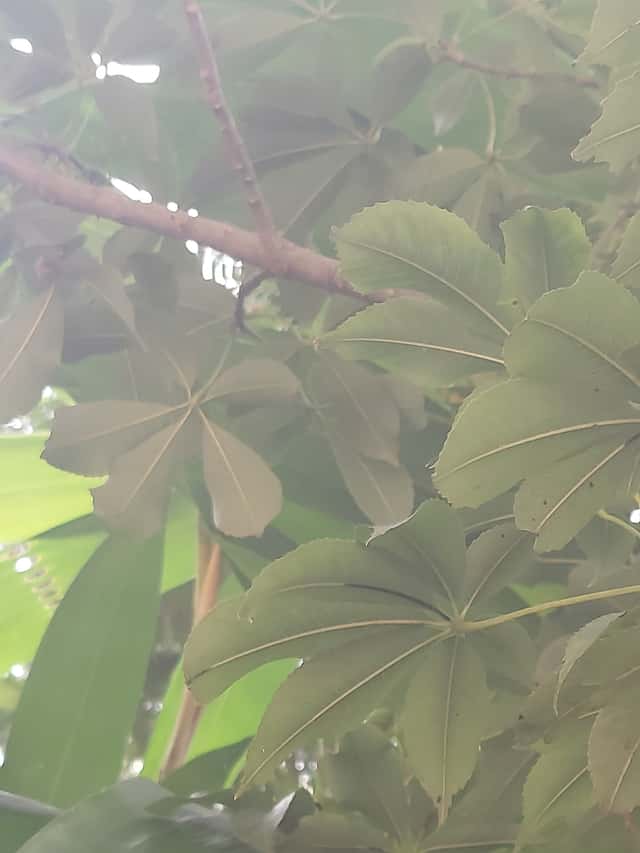
Kapok Tree (Ceiba pentandra) is a hard-care plant from the Malvaceae family. The Kapok Tree (Ceiba pentandra) is one of the tallest trees in the Amazon rainforest, capable of exceeding 60 meters in height and living for more than 300 years. Known for its thorny trunk in youth and the massive buttress roots that anchor its umbrella-shaped crown above the forest canopy, it is...
Kapok Tree grows up to 70.0m, spread of 3000cm, watering every 10 days, 18°C – 35°C, 60–90% humidity. It is not suitable for indoor environments and safe for pets.
Unlike easy-care plants, Kapok Tree demands constant attention to humidity and light. Not recommended for beginners. Unlike many popular species, Kapok Tree is safe to keep around pets.
How to Care for Kapok Tree?
TLDR: Kapok Tree needs Direct sun, watering every 10 days, and temperatures between 18-35°C with 60-90% humidity.
How Often Should You Water Kapok Tree?
Water young saplings regularly, keeping the soil moist but never waterlogged; established trees only need supplemental watering during prolonged dry spells.
How Much Light Does Kapok Tree Need?
Requires full sun — at least 6 hours of direct light daily. It does not thrive in shade.
What Is the Best Soil for Kapok Tree?
Prefers deep, fertile, well-drained loamy soil with a pH between 5.5 and 7.5. Waterlogged soil promotes trunk rot.
What Pot Should You Use for Kapok Tree?
Not suited to permanent container cultivation given the mature tree's massive size; young saplings can be kept in large, deep pots for 1-2 years before final planting in open ground.
What Is Kapok Tree and Where Does It Come From?
The Kapok Tree (Ceiba pentandra) is one of the tallest trees in the Amazon rainforest, capable of exceeding 60 meters in height and living for more than 300 years. Known for its thorny trunk in youth and the massive buttress roots that anchor its umbrella-shaped crown above the forest canopy, it is revered as the "Queen of the Forest" and holds a central place in the cosmology of many Amazonian peoples, as well as in Maya mythology, where it was regarded as the sacred World Tree (Yax Che) connecting the underworld, earth, and sky. Its cream-to-pink flowers open at night when the tree is leafless, attracting bat pollinators, and its seed pods release the soft, buoyant fiber known as kapok, historically used to stuff mattresses, pillows, and life jackets.
How to Propagate Kapok Tree?
Seed propagation
Fresh seeds germinate best; viability drops quickly after a few months of storage.
- 1 Collect ripe seeds from open seed pods
- 2 Soak seeds in water for 24 hours to break dormancy
- 3 Sow in light, well-drained substrate about 1 cm deep
- 4 Keep substrate moist and in direct sunlight
Materials needed:
Semi-hardwood cutting
Unreliable method for this species; seed propagation is commercially preferred.
- 1 Cut a healthy semi-hardwood branch 30-50 cm long
- 2 Apply rooting hormone to the cut base
- 3 Plant in well-drained sandy substrate
- 4 Keep in a shaded spot until rooted
Materials needed:
How Big Does Kapok Tree Grow?
TLDR: Kapok Tree can reach up to 70.0m tall with Fast growth rate.
Max height
70.0m
Spread
30.0m
Growth rate
Fast
Foliage
Deciduous
Plant Uses
Ornamental
Great for decoration
Medicinal
Medicinal properties
Medicinal Uses
- Bark decoction traditionally used as a diuretic and for headaches
- Bark used in traditional management of type 2 diabetes
- Macerated leaves used in baths against fatigue and body aches
- Root traditionally used against diarrhea and dysentery
Is your plant showing symptoms?
Click on the symptom to discover possible causes:
What Diseases Commonly Affect Kapok Tree?
TLDR: Kapok Tree is susceptible to 4 known diseases. Monitor regularly for early detection.
Root Rot
Root rot is a serious fungal disease that affects the root system of plants, causing them to decay and die. It is primarily caused by overwatering, poor drainage, or soil-borne fungi such as Pythium, Phytophthora, Rhizoctonia, and Fusarium. The disease thrives in waterlogged conditions where roots are deprived of oxygen, making them susceptible to fungal infection.
Overwatering
Overwatering occurs when plants receive too much water, depriving roots of oxygen and causing root rot. This environmental stress is one of the most common causes of houseplant death, as waterlogged soil prevents roots from breathing and functioning properly.
Aphids
Aphids are small, soft-bodied, pear-shaped insects (1/16 to 1/8 inch long) that feed by sucking nutrient-rich sap from plants. They reproduce rapidly and can quickly weaken plants, causing distorted growth and transmitting plant viruses. Aphids come in various colors including green, black, red, yellow, brown, and gray. They secrete honeydew, a sticky substance that attracts ants and encourages sooty mold growth.
Cercospora Leaf Spot
Cercospora leaf spot is a common fungal disease caused by Cercospora species that affects many plant types, particularly beets, roses, and leafy vegetables. The disease thrives in warm, humid conditions and can cause significant defoliation, reducing plant vigor and yield. It spreads rapidly through water splash, wind, and contaminated tools.
Meaning & Symbolism
Across Amazonian cultures, the kapok is the "Mother of the Forest," a portal tree linking the underworld, earth, and sky. Legend holds that the forest guardian Curupira strikes its giant buttress roots with a turtle shell to test their strength against storms and to warn off intruders. For the Ticuna people, it played a central role in the creation myth that ended an endless night. Shamans invoke its spirit in healing rituals, and it is traditional to ask permission from its resident spirits before felling it — which is why many centuries-old kapok trees still stand untouched amid cleared land, solitary guardians of the forest. In Maya belief, the same species was the sacred Yax Che, the World Tree at the center of the cosmos.
Fun Facts
The kapok fiber from its seed pods is so light it floats on water and was used in life jackets
Its buttress roots can extend several meters around the trunk
Its flowers open at night and are pollinated mainly by bats
Some Amazonian kapok trees are over 300 years old
Frequently asked questions
How tall can a Kapok Tree grow?
Can a Kapok Tree be grown in a pot?
Why is the Kapok Tree considered sacred?
Is the Kapok Tree toxic?
Compare with similar plants
| Attribute | Difficulty | Light | Watering | Pet Safe |
|---|---|---|---|---|
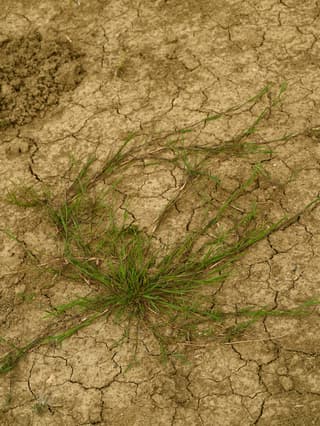
| Creeping bentgrass | Hard | Direct sun | 3d | ✓ |
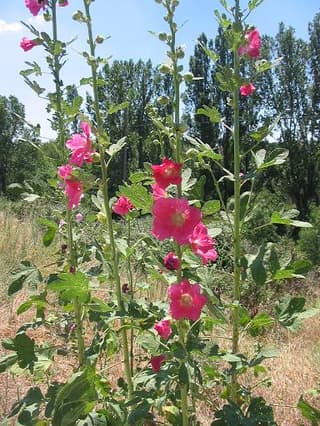
| Hollyhock | Medium | Direct sun | 5d | ✓ |
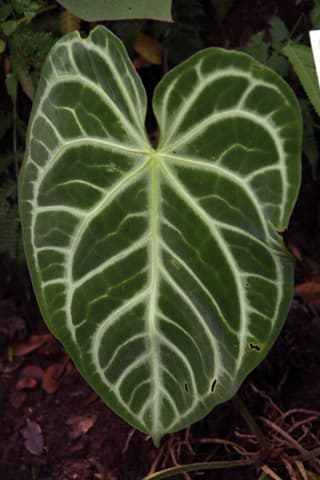
| Crystal Anthurium | Hard | Partial shade | 7d | ⚠️ |
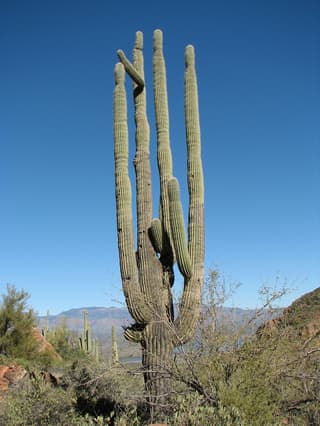
| Saguaro | Hard | Direct sun | 21d | ✓ |
Choose & Compare
Sources & References
- Sumaúma (Ceiba pentandra (L.) Gaerth) - Portal Embrapa
- Ceiba pentandra - Missouri Botanical Garden Plant Finder
- Ceiba Pentandra Guide: Kapok Tree Care & Growth Tips - Plantiago
- Conheça a árvore rainha da Amazônia, a gigantesca sagrada, Sumaúma - Portal Amazônia
- Ceiba pentandra - Plants For A Future
- Evaluation of Ceiba pentandra bark extracts - PMC
- Common Ceiba Tree Problems and Solutions