Solanaceae
Solanum habrochaites: The Hairy Wild Tomato
Solanum habrochaites
A sprawling, vigorous perennial best suited to full sun and well-draining soil, grown mainly by breeders and collectors rather than as a typical houseplant. It tolerates cool nights and brief chilling better than domestic tomatoes but is not frost-hardy long term. Keep soil evenly moist but never soggy, and prune periodically to manage its sprawling habit.
Every 10 days
Bright indirect
5° - 28°C
30% - 50%
Categories
What is Hairy Wild Tomato?
Hairy Wild Tomato (Solanum habrochaites) is a hard-care plant from the Solanaceae family. Solanum habrochaites is a wild relative of the cultivated tomato, native to the western, arid slopes of the Peruvian and Ecuadorian Andes, where it grows at elevations up to 3,300 m. Unlike the smooth-leaved garden tomato, its entire stem and foliage are covered in dense, soft glandular trichomes (h...
Hairy Wild Tomato grows up to 1.5m, spread of 200cm, watering every 10 days, 5°C – 28°C, 30–50% humidity. It is not suitable for indoor environments and not safe for pets.
Unlike easy-care plants, Hairy Wild Tomato demands constant attention to humidity and light. Not recommended for beginners. Without precautions, ingestion can cause irritation in pets. Keep out of reach of cats and dogs.
How to Care for Hairy Wild Tomato?
TLDR: Hairy Wild Tomato needs Bright indirect, watering every 10 days, and temperatures between 5-28°C with 30-50% humidity.
How Often Should You Water Hairy Wild Tomato?
Water when the top 3-5 cm of soil dries out, roughly every 10 days; this species is fairly drought-tolerant thanks to its Andean origin, so avoid overwatering.
How Much Light Does Hairy Wild Tomato Need?
Needs full sun to thrive and produce dense trichome growth; at least 6 hours of direct light daily, either outdoors or in a bright greenhouse.
What Is the Best Soil for Hairy Wild Tomato?
Use a well-draining, slightly acidic loamy or sandy soil mix (pH 6.0-6.8); heavy, waterlogged soils encourage root rot.
What Pot Should You Use for Hairy Wild Tomato?
Wide nursery pot or greenhouse bed with excellent drainage holes; container growing is possible but the sprawling habit favors raised beds.
What Is Hairy Wild Tomato and Where Does It Come From?
Solanum habrochaites is a wild relative of the cultivated tomato, native to the western, arid slopes of the Peruvian and Ecuadorian Andes, where it grows at elevations up to 3,300 m. Unlike the smooth-leaved garden tomato, its entire stem and foliage are covered in dense, soft glandular trichomes (hairs) that give the species its name — "habrochaites" roughly means "soft bristles." These trichomes exude strong-smelling terpenes, such as zingiberene, that repel insects and deter pathogens, making the species a prized source of pest and disease resistance genes for tomato breeding programs worldwide. It produces small, star-shaped yellow flowers and small green, fuzzy fruit that typically stays green and is not eaten. As with all Solanum species, the foliage, stems and unripe fruit contain glycoalkaloids and are toxic if ingested.
How to Propagate Hairy Wild Tomato?
Seed sowing
Scarifying or soaking seeds overnight can improve germination rates in wild accessions.
- 1 Sow seeds 0.5 cm deep in a well-draining seed-starting mix
- 2 Keep at 20-25C and consistently moist until germination
- 3 Provide bright light once seedlings emerge
- 4 Transplant outdoors after last frost
Materials needed:
Stem cutting
Rooting hormone improves success but is not essential for this vigorous species.
- 1 Take a 10-15 cm cutting below a leaf node
- 2 Remove lower leaves and let the cut callous for a few hours
- 3 Insert into moist, well-draining substrate
- 4 Keep humid and out of direct sun until rooted
Materials needed:
How Big Does Hairy Wild Tomato Grow?
TLDR: Hairy Wild Tomato can reach up to 1.5m tall with Fast growth rate.
Max height
1.5m
Spread
2.0m
Growth rate
Fast
Foliage
Deciduous
Warning: Toxic Plant
This plant can be toxic if ingested. Keep out of reach of:
Plant Uses
Aromatic
Pleasant fragrance
Is your plant showing symptoms?
Click on the symptom to discover possible causes:
What Diseases Commonly Affect Hairy Wild Tomato?
TLDR: Hairy Wild Tomato is susceptible to 11 known diseases. Monitor regularly for early detection.
Alternaria Leaf Spot
Alternaria leaf spot is a common fungal disease caused by Alternaria solani and Alternaria alternata that affects a wide range of plants including tomatoes, potatoes, brassicas, and ornamentals. The disease thrives in warm, humid conditions and can cause significant crop damage if left untreated. Spores overwinter on plant debris and can attach to seeds, making complete elimination difficult.
Phytophthora Root Rot
The Phytophthora genus consists of soil-borne oomycetes (water molds) that act as plant pathogens, primarily affecting trees and woody plants. It typically spreads through the root system, leading to systemic decline and eventual plant collapse.
Septoria Leaf Spot
Septoria leaf spot is a destructive fungal disease caused by Septoria lycopersici, particularly devastating during seasons of moderate temperature and abundant rainfall. The disease starts on lower leaves and progresses upward, causing small circular spots with tan to gray centers and dark brown margins. If left untreated, it can dramatically reduce plant yields and cause complete leaf blight.
Fusarium Wilt
Fusarium wilt is a serious fungal disease caused by the soil-borne fungus Fusarium oxysporum. The fungus invades roots and blocks the water-conducting vessels (xylem) of the plant, causing progressive wilting and eventual death. Host-specific forms of the pathogen exist that attack different plant species.
Meaning & Symbolism
As a wild ancestor of the cultivated tomato, Solanum habrochaites symbolizes resilience and untamed genetic diversity — the toughness that lets crops survive frost, drought and pests.
Fun Facts
Its species name "habrochaites" means "soft bristles" in Greek, referring to the dense hairs covering the whole plant.
Breeders use it as a rootstock and gene donor to give cultivated tomatoes resistance to cold, drought, and pests like whiteflies and spider mites.
Its trichomes release a pungent, resinous smell when brushed, a natural chemical defense against herbivores.
Frequently asked questions
Is Solanum habrochaites edible?
Is this plant toxic to cats and dogs?
Why is Solanum habrochaites important to agriculture?
Can I grow it indoors?
Compare with similar plants
| Attribute | Difficulty | Light | Watering | Pet Safe |
|---|---|---|---|---|
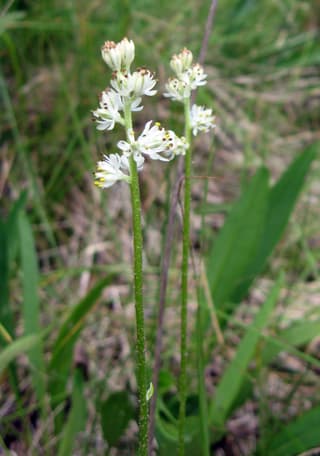
| Sticky false asphodel | Hard | Bright indirect | 1d | ✓ |
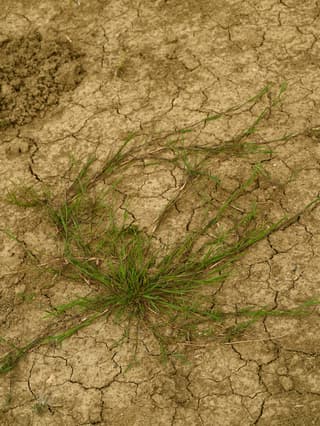
| Creeping bentgrass | Hard | Direct sun | 3d | ✓ |
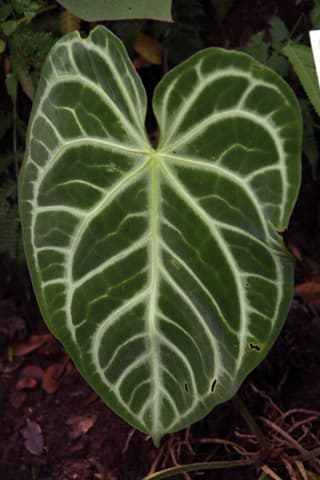
| Crystal Anthurium | Hard | Partial shade | 7d | ⚠️ |
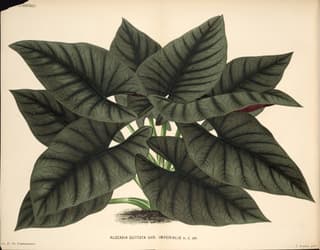
| Alocasia Nebula | Hard | Bright indirect | 6d | ⚠️ |
Choose & Compare
Sources & References
- Chromosome-scale genome assemblies of wild tomato relatives Solanum habrochaites and Solanum galapagense
- Jasmonate signaling in Solanum habrochaites rootstock-mediated cold tolerance
- Solanum habrochaites - ScienceDirect Topics overview
- Leaf resistance to Botrytis cinerea in wild tomato Solanum habrochaites
- Physical and chemical characterization of wild tomato Solanum habrochaites accessions for whitefly resistance