Poaceae
Kikuyu Grass: Ground Cover Plant
Cenchrus clandestinus
Kikuyu Grass is low-maintenance once established. Water weekly during dry spells; the plant is highly drought-tolerant when roots are established. Fertilize every 30 days during the growing season with a nitrogen-rich fertilizer to encourage lush, green growth. Mow regularly to a height of 2.5–4 cm to keep the turf dense and even.
Every 7 days
Direct sun
5° - 31°C
40% - 70%
Categories
What is Kikuyu Grass?
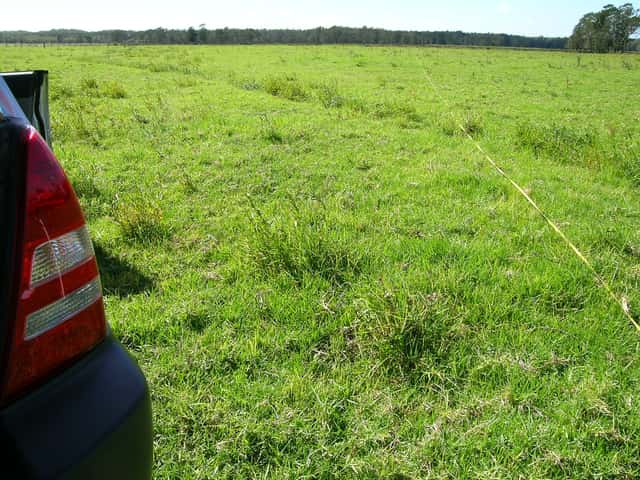
Kikuyu Grass (Cenchrus clandestinus) is a easy-care plant from the Poaceae family. Kikuyu Grass (Cenchrus clandestinus) is a vigorous, fast-growing perennial grass native to the highland regions of East Africa. It is widely used as a lawn, pasture, and ground cover grass in tropical, subtropical, and warm temperate climates worldwide, including Australia, New Zealand, South Africa...
Kikuyu Grass grows up to 46cm, spread of 300cm, watering every 7 days, 5°C – 31°C, 40–70% humidity. It is not suitable for indoor environments and safe for pets.
Unlike many tropical plants, Kikuyu Grass tolerates watering mistakes. Best for beginners. Unlike many popular species, Kikuyu Grass is safe to keep around pets.
How to Care for Kikuyu Grass?
TLDR: Kikuyu Grass needs Direct sun, watering every 7 days, and temperatures between 5-31°C with 40-70% humidity.
How Often Should You Water Kikuyu Grass?
Water approximately 25 mm (1 inch) per week. During the establishment phase, water more frequently to help roots develop. Once established, Kikuyu Grass can survive extended dry periods, though regular watering maintains the best color and density.
How Much Light Does Kikuyu Grass Need?
Full sun is ideal — at least 6 to 8 hours of direct sunlight per day. Kikuyu Grass tolerates light partial shade, but growth slows and turf density decreases in shadier conditions. Avoid deep shade, which leads to thin, patchy coverage.
What Is the Best Soil for Kikuyu Grass?
Prefers well-draining soil with a pH of 4.5–7.0. Tolerates a wide range of soil types, from sandy to heavy clay, as long as waterlogging is avoided. Amend very compact or clay-heavy soils with coarse sand to improve drainage and root penetration.
What Pot Should You Use for Kikuyu Grass?
Not suitable for containers; best used as outdoor ground cover, lawn, or pasture grass.
Care Schedule
Fertilize
Every 30 days
Misting
Every 3 days
Rotate
Every 7 days
Repot
Every 365 days
What Is Kikuyu Grass and Where Does It Come From?
Kikuyu Grass (Cenchrus clandestinus) is a vigorous, fast-growing perennial grass native to the highland regions of East Africa. It is widely used as a lawn, pasture, and ground cover grass in tropical, subtropical, and warm temperate climates worldwide, including Australia, New Zealand, South Africa, and California. The plant spreads aggressively through an extensive network of rhizomes and stolons, forming dense, hard-wearing mats that recover quickly from mowing, grazing, and foot traffic. Its drought tolerance, adaptability to various soil types, and rapid establishment make it one of the most popular turf grasses globally.
How Big Does Kikuyu Grass Grow?
TLDR: Kikuyu Grass can reach up to 46cm tall with Fast growth rate.
Max height
46cm
Spread
3.0m
Growth rate
Fast
Foliage
Evergreen
Plant Uses
Ground Cover
Soil coverage
Ornamental
Great for decoration
Medicinal
Medicinal properties
Medicinal Uses
- Styptic use: the whole plant or bruised leaf has been traditionally used as a styptic to stop minor bleeding from superficial wounds.
Is your plant showing symptoms?
Click on the symptom to discover possible causes:
What Diseases Commonly Affect Kikuyu Grass?
TLDR: Kikuyu Grass is susceptible to 5 known diseases. Monitor regularly for early detection.
Pythium Root Rot
Pythium root rot is a serious fungal disease caused by various Pythium species including P. aphanidermatum, P. ultimum, and P. irregulare. These water molds are present in practically all cultivated soils and attack plant roots under wet conditions, causing rapid wet rot that can extend into the stem. The disease is favored by poor drainage, overwatering, and specific temperatures depending on the species.
Caterpillars
Caterpillars are the larval stage of moths and butterflies that feed voraciously on plant foliage, stems, flowers, and fruits. Common species include cabbage loopers, tomato hornworms, armyworms, and cutworms. These pests can cause extensive damage by consuming large amounts of plant tissue in a short time. They vary in size from small (1/4 inch) to large (5 inches), with colors ranging from green to brown, often featuring stripes or spots. Caterpillars are highly mobile and can quickly spread throughout gardens, making them one of the most destructive common pests.
Root-Knot Nematodes
Root-knot nematodes (Meloidogyne species) are microscopic roundworms that parasitize plant roots, causing characteristic galls or knots. These soil-borne pests are among the most economically damaging plant pathogens worldwide, affecting a wide range of ornamental and edible plants. The nematodes inject enzymes into root cells, causing abnormal swelling and disrupting water and nutrient uptake.
Leaf Spot
Leaf spot is a common fungal disease caused by various pathogens including Alternaria, Ascochyta, Colletotrichum, Septoria, and Venturia. It primarily affects leaves, causing discolored spots that can lead to premature leaf drop if left untreated.
Meaning & Symbolism
In its native East Africa, Kikuyu Grass is associated with resilience and the power of nature to reclaim and protect the land. Its unstoppable spreading habit has made it a symbol of tenacity and adaptability in many cultures.
Compare with similar plants
| Attribute | Difficulty | Light | Watering | Pet Safe |
|---|---|---|---|---|
| Field Maple | Easy | Bright indirect | 14d | ✓ |
| Muriel's Bamboo | Medium | Partial shade | 3d | ✓ |
| Silver Birch | Easy | Direct sun | 14d | ✓ |
| Common Blanketflower | Easy | Direct sun | 10d | ✓ |





