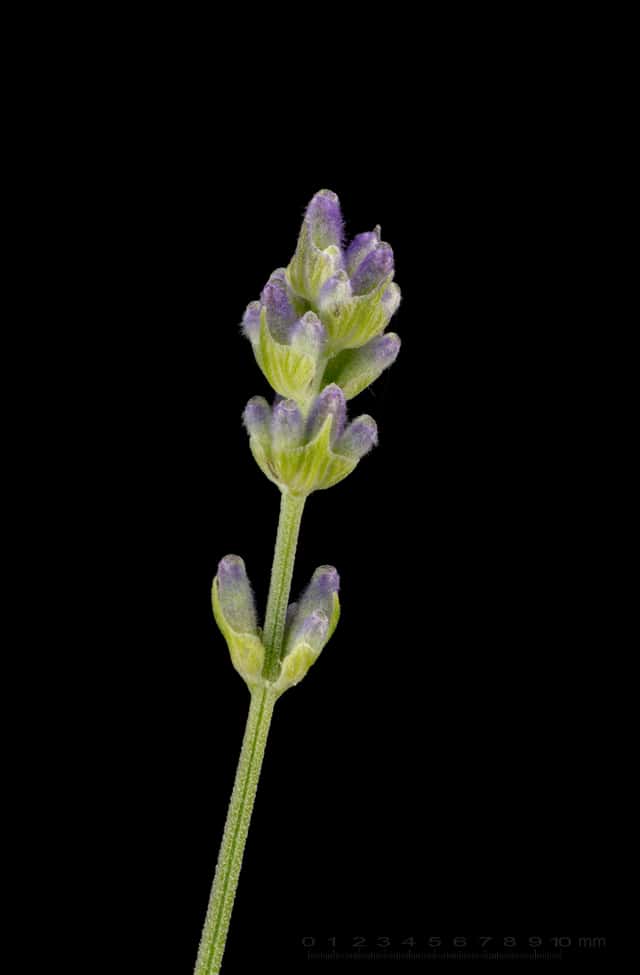
Lamiaceae
Lavender (Lavandula): Complete Growing and Care Guide
Lavandula
Lavender is a low-maintenance, drought-tolerant plant perfectly suited to sunny, dry gardens. It thrives in sandy or gravelly, well-drained soil and full sun exposure. Water infrequently and allow soil to dry out completely between waterings. Fertilize lightly in spring. Prune after flowering to maintain a compact, bushy shape and encourage re-blooming. Lavender is largely pest-resistant when grown in optimal conditions.
Every 14 days
Direct sun
-15° - 38°C
30% - 60%
Categories
What is Lavender?
Lavender (Lavandula) is a easy-care plant from the Lamiaceae family. Lavandula is a genus of aromatic flowering plants in the family Lamiaceae, native to the Mediterranean region, the Middle East, and northern Africa. Best known for its distinctive purple-blue flower spikes and calming fragrance, lavender is one of the world's most cultivated plants, prized for ornam...
Lavender grows up to 1.2m, spread of 120cm, watering every 14 days, -15°C – 38°C, 30–60% humidity. It is not suitable for indoor environments and not safe for pets.
Unlike many tropical plants, Lavender tolerates watering mistakes. Best for beginners. Without precautions, ingestion can cause irritation in pets. Keep out of reach of cats and dogs.
How to Care for Lavender?
TLDR: Lavender needs Direct sun, watering every 14 days, and temperatures between -15-38°C with 30-60% humidity.
How Often Should You Water Lavender?
Water lavender deeply but infrequently, approximately every 10–14 days during the growing season. Allow the soil to dry out completely between waterings. Once established, lavender is highly drought tolerant. Never allow the soil to remain soggy — overwatering is the primary cause of lavender death, leading to root rot.
How Much Light Does Lavender Need?
Lavender requires full sun — a minimum of 6 to 8 hours of direct sunlight per day. Insufficient light reduces flowering and increases susceptibility to fungal diseases. Indoors, place the plant within one foot of a south-facing window.
What Is the Best Soil for Lavender?
Plant in sandy, gravelly, or well-drained soil with low organic content. Avoid clay-rich or moisture-retentive soils. The ideal pH range is 6.5–7.5 (neutral to slightly alkaline). Amend heavy soil with coarse sand or perlite to improve drainage.
What Pot Should You Use for Lavender?
Terracotta or clay pots are ideal as they allow moisture to evaporate through the sides, preventing waterlogging. Ensure generous drainage holes. Avoid plastic pots or any container without drainage.
Care Schedule
Fertilize
Every 90 days
What Is Lavender and Where Does It Come From?
Lavandula is a genus of aromatic flowering plants in the family Lamiaceae, native to the Mediterranean region, the Middle East, and northern Africa. Best known for its distinctive purple-blue flower spikes and calming fragrance, lavender is one of the world's most cultivated plants, prized for ornamental, medicinal, and aromatic uses. The most widely grown species is Lavandula angustifolia (English lavender). Lavender is a hardy, drought-tolerant, evergreen subshrub that thrives in full sun and well-drained, lean soils.
How to Propagate Lavender?
Stem Cutting
Use clean, sharp pruners to prevent disease. Avoid overwatering during rooting. Spring cuttings from the previous year's growth have the highest success rate.
- 1 Take a 4–6 inch (10–15 cm) semi-woody stem cutting just below a leaf node
- 2 Strip the lower leaves, leaving only 2–3 pairs at the tip
- 3 Dip the cut end in rooting hormone powder
- 4 Insert into sandy, well-draining propagation mix (50% perlite, 50% sand)
- 5 Place in bright indirect light and keep lightly moist until roots establish
Materials needed:
How Big Does Lavender Grow?
TLDR: Lavender can reach up to 1.2m tall with Slow growth rate.
Max height
1.2m
Spread
1.2m
Growth rate
Slow
Foliage
Evergreen
Warning: Toxic Plant
This plant can be toxic if ingested. Keep out of reach of:
Plant Uses
Ornamental
Great for decoration
Aromatic
Pleasant fragrance
Medicinal
Medicinal properties
Medicinal Uses
- Reduces anxiety and stress
- Promotes sleep and relaxation
- Mild headache and migraine relief
- Antiseptic and anti-inflammatory properties
Culinary Uses
- Flavoring for baked goods, cookies, and ice cream
- Herbal tea infusion
- Seasoning for lamb, chicken, and savory dishes
- Lavender honey and syrups
Is your plant showing symptoms?
Click on the symptom to discover possible causes:
What Diseases Commonly Affect Lavender?
TLDR: Lavender is susceptible to 8 known diseases. Monitor regularly for early detection.
Root Rot
Root rot is a serious fungal disease that affects the root system of plants, causing them to decay and die. It is primarily caused by overwatering, poor drainage, or soil-borne fungi such as Pythium, Phytophthora, Rhizoctonia, and Fusarium. The disease thrives in waterlogged conditions where roots are deprived of oxygen, making them susceptible to fungal infection.
Crown Rot
Crown rot is a serious fungal disease that attacks the crown (base) of the plant where the stem meets the soil. It is caused by various fungal pathogens including Phytophthora, Fusarium, and Rhizoctonia. The disease thrives in waterlogged conditions and can quickly spread to kill the entire plant if not addressed promptly.
Botrytis
Septoria Leaf Spot
Septoria leaf spot is a destructive fungal disease caused by Septoria lycopersici, particularly devastating during seasons of moderate temperature and abundant rainfall. The disease starts on lower leaves and progresses upward, causing small circular spots with tan to gray centers and dark brown margins. If left untreated, it can dramatically reduce plant yields and cause complete leaf blight.
Meaning & Symbolism
Lavender symbolizes purity, tranquility, devotion, and grace. Long associated with love, healing, and serenity, it was used in ancient Roman baths and medieval herbal medicine. In the language of flowers, lavender represents calmness, loyalty, and feminine beauty.
Fun Facts
The genus Lavandula includes over 47 recognized species, native to an area stretching from the Mediterranean to southwest Asia
Lavender essential oil is one of the best-selling essential oils in the world, widely used in aromatherapy and cosmetics
Lavender fields in Provence, France attract millions of visitors each summer and are a UNESCO-recognized cultural landscape
Dried lavender flowers retain their distinctive fragrance for months, making them popular for sachets and potpourri
Frequently asked questions
How often should I water lavender?
Is lavender toxic to pets?
Can lavender be grown in containers?
When and how should I prune lavender?
What is the best soil for lavender?
Compare with similar plants
| Attribute | Difficulty | Light | Watering | Pet Safe |
|---|---|---|---|---|
| Small Scabious | Easy | Direct sun | 7d | ✓ |
| Field Maple | Easy | Bright indirect | 14d | ✓ |
| Silver Birch | Easy | Direct sun | 14d | ✓ |
| Red valerian | Easy | Direct sun | 10d | ✓ |



