Rutaceae
Lemon Tree (Citrus × limon): Complete Growing Guide
Citrus × limon
Lemon trees need full sun (6-8 hours/day), regular watering with well-drained soil, and fertilizing every 30 days during the growing season. They are sensitive to frost and waterlogging. Prefer slightly acidic to neutral soil pH and good air circulation.
Every 7 days
Direct sun
10° - 38°C
50% - 70%
Categories
What is Lemon Tree?
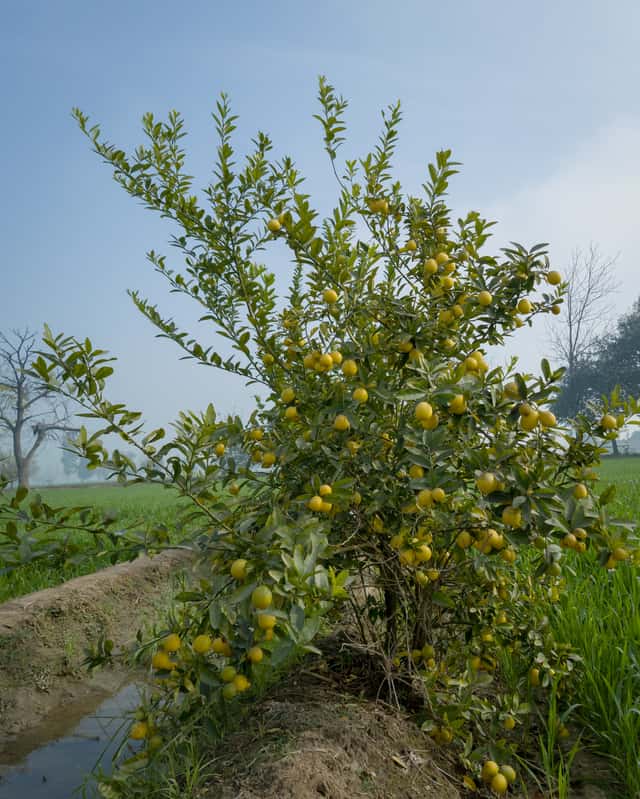
Lemon Tree (Citrus × limon) is a medium-care plant from the Rutaceae family. The lemon tree (Citrus × limon) is an evergreen fruit tree in the Rutaceae family, originating as a natural hybrid between the citron (Citrus medica) and bitter orange (Citrus aurantium), likely in Asia. It is one of the most widely cultivated citrus species worldwide, prized for its tart vitamin C-...
Lemon Tree grows up to 6.0m, spread of 400cm, watering every 7 days, 10°C – 38°C, 50–70% humidity. It is suitable for indoor environments and safe for pets.
Unlike many popular species, Lemon Tree is safe to keep around pets. Without adequate drainage, root rot can develop within 14 days.
How to Care for Lemon Tree?
TLDR: Lemon Tree needs Direct sun, watering every 7 days, and temperatures between 10-38°C with 50-70% humidity.
How Often Should You Water Lemon Tree?
Water every 7-10 days when the top inch of soil is slightly dry. Never allow water to pool at the roots — saturated soil causes root rot quickly. In containers, ensure excellent drainage and never leave water in saucers.
How Much Light Does Lemon Tree Need?
Place in full direct sun for at least 6 hours daily. Without adequate light, the tree will not flower or produce fruit. Indoors, position near a south- or east-facing window with maximum sun exposure.
What Is the Best Soil for Lemon Tree?
Use well-draining, slightly acidic soil (pH 6.0–7.0) mixing potting mix with coarse sand and perlite. Avoid dense clay soils. Add dolomitic limestone if soil is too acidic.
What Pot Should You Use for Lemon Tree?
Terracotta or clay pots for smaller plants — excellent drainage and breathable walls. For outdoor cultivation, raised beds or naturally well-drained soil. Choose large containers (50L+) for full production.
Care Schedule
Fertilize
Every 30 days
Rotate
Every 30 days
Repot
Every 730 days
What Is Lemon Tree and Where Does It Come From?
The lemon tree (Citrus × limon) is an evergreen fruit tree in the Rutaceae family, originating as a natural hybrid between the citron (Citrus medica) and bitter orange (Citrus aurantium), likely in Asia. It is one of the most widely cultivated citrus species worldwide, prized for its tart vitamin C-rich fruits, fragrant white blossoms, and year-round ornamental value. It thrives in subtropical and Mediterranean climates.
How to Propagate Lemon Tree?
Seed
Fresh seeds germinate best. Cover pot with plastic to retain humidity. Seed-grown trees may take years to fruit — grafted trees are preferred for faster production.
- 1 Remove seeds from a fresh lemon and rinse them
- 2 Plant immediately in moist, well-draining mix at 1 cm depth
- 3 Keep in a warm (22-28°C), humid location
- 4 Transplant when seedling reaches 15 cm
Materials needed:
Grafting
Grafting ensures identical fruits to the parent plant and speeds up production. Use tools sterilized with alcohol. Success rates are highest in spring when sap is active.
- 1 Select a vigorous rootstock (orange or citrange)
- 2 Make a T-cut in the rootstock bark
- 3 Insert the lemon bud into the cut
- 4 Wrap with grafting tape and wait for union
Materials needed:
How Big Does Lemon Tree Grow?
TLDR: Lemon Tree can reach up to 6.0m tall with Medium growth rate.
Max height
6.0m
Spread
4.0m
Growth rate
Medium
Foliage
Evergreen
Plant Uses
Edible
Can be consumed
Medicinal
Medicinal properties
Ornamental
Great for decoration
Aromatic
Pleasant fragrance
Medicinal Uses
- Rich in vitamin C — immune system support
- Lemon juice aids digestion and may help dissolve kidney stones
- Lemon leaf tea has calming and digestive properties
- Lemon essential oil has antifungal and antibacterial properties
Culinary Uses
- Fresh lemon juice — base for lemonades, cocktails, and dressings
- Lemon zest in cakes, tarts, and confectionery
- Seasoning for fish, seafood, and salads
- Limoncello — traditional Italian liqueur
- Lemon preserves and marmalades
Is your plant showing symptoms?
Click on the symptom to discover possible causes:
What Diseases Commonly Affect Lemon Tree?
TLDR: Lemon Tree is susceptible to 13 known diseases. Monitor regularly for early detection.
Root Rot
Root rot is a serious fungal disease that affects the root system of plants, causing them to decay and die. It is primarily caused by overwatering, poor drainage, or soil-borne fungi such as Pythium, Phytophthora, Rhizoctonia, and Fusarium. The disease thrives in waterlogged conditions where roots are deprived of oxygen, making them susceptible to fungal infection.
Phytophthora Root Rot
Disease caused by fungus-like organisms (oomycetes) that live in soil and can survive for years. It affects roots, stem, and crown of plants, being especially severe in waterlogged or poorly drained soils. It is the second most common cause of root rot in trees and shrubs.
Bacterial Canker
Serious bacterial disease affecting stone fruits and tomatoes caused by Pseudomonas syringae or Clavibacter michiganensis. Creates sunken lesions that ooze sap.
Cold Damage
Cold damage, also known as frost injury, occurs when plants are exposed to freezing or near-freezing temperatures. This environmental stress can cause cellular damage as ice crystals form within plant tissues, rupturing cells and disrupting normal plant functions. Chilling injury can also occur in sensitive species at temperatures between 32-55°F (0-10°C), even without actual freezing.
Meaning & Symbolism
In Mediterranean culture, the lemon symbolizes purity, friendship, and clarity of mind. It is associated with positive energy, cleansing, and health across many world cultures.
Fun Facts
The lemon tree is a man-made hybrid — it does not exist in the wild and has been cultivated for over 2,500 years
A mature lemon tree can produce 100 to 200 kg of fruit per year
Lemon blossoms are used in fine perfumery for neroli and essential oil extraction
Lemons are among the most produced citrus fruits worldwide, featured in virtually every global cuisine
Frequently asked questions
How often should I water a lemon tree?
Can lemon trees grow in pots?
Why is my lemon tree not producing fruit?
Are lemon trees frost-hardy?
How do I treat root rot in a lemon tree?
Compare with similar plants
| Attribute | Difficulty | Light | Watering | Pet Safe |
|---|---|---|---|---|
| Dark Fieldcap | Medium | Low light | 2d | ⚠️ |
| Azalea | Medium | Partial shade | 3d | ⚠️ |
| Muriel's Bamboo | Medium | Partial shade | 3d | ✓ |
| Bougainvillea | Medium | Direct sun | 7d | ⚠️ |




