Adoxaceae
Moschatel: Ground Cover Plant
Adoxa moschatellina
It thrives best in a semi-shaded or shaded, cool location with consistently moist, humus-rich soil. Waterlogging must be avoided, as overwatering can lead to root rot. It is most suitable as an outdoor, woodland-style groundcover; it is difficult to maintain long-term in a pot.
Every 4 days
Low light
-15° - 22°C
60% - 90%
Categories
What is Moschatel?
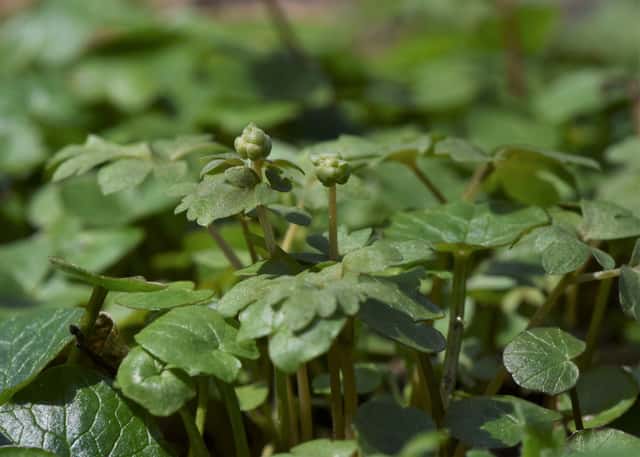
Moschatel (Adoxa moschatellina) is a medium-care plant from the Adoxaceae family. Moschatel (Adoxa moschatellina) is the only species in the genus Adoxa within the family Adoxaceae. It is a low-growing perennial, 8–15 cm tall, that thrives in shady, damp forests, along stream banks, and in rock crevices, often found under alder or oak trees. Its defining characteristic is the cub...
Moschatel grows up to 15cm, spread of 20cm, watering every 4 days, -15°C – 22°C, 60–90% humidity. It is not suitable for indoor environments and safe for pets.
Unlike many popular species, Moschatel is safe to keep around pets.
How to Care for Moschatel?
TLDR: Moschatel needs Low light, watering every 4 days, and temperatures between -15-22°C with 60-90% humidity.
How Often Should You Water Moschatel?
Keep the soil consistently moist but never waterlogged—only water when the surface has slightly dried out. A fine-mist watering can is recommended to avoid damaging the fragile stems.
How Much Light Does Moschatel Need?
A true shade-lover: as a woodland understory plant, it feels at home in partial or full shade; it does not require and cannot tolerate direct sunlight over the long term.
What Is the Best Soil for Moschatel?
Requires loose, humus-rich, well-draining soil with a slightly acidic to neutral pH (5.5–7.0). Constant soil moisture is more important than nutrient content.
What Pot Should You Use for Moschatel?
If growing in a container, choose a wide, shallow, well-ventilated terracotta pot to help balance moisture—though this species is primarily intended as an outdoor woodland groundcover, and permanent container cultivation is challenging.
Care Schedule
Fertilize
Every 30 days
What Is Moschatel and Where Does It Come From?
Moschatel (Adoxa moschatellina) is the only species in the genus Adoxa within the family Adoxaceae. It is a low-growing perennial, 8–15 cm tall, that thrives in shady, damp forests, along stream banks, and in rock crevices, often found under alder or oak trees. Its defining characteristic is the cube-shaped inflorescence composed of tiny, greenish-yellow flowers: four lateral flowers and one terminal flower, which gives rise to its folk name 'Town Hall Clock'. The flowers emit a faint musky scent in the evening. It blooms between March and June, then retreats underground into its hidden rhizomes for the summer.
How to Propagate Moschatel?
How Big Does Moschatel Grow?
TLDR: Moschatel can reach up to 15cm tall with Slow growth rate.
Max height
15cm
Spread
20cm
Growth rate
Slow
Foliage
Deciduous
Plant Uses
Ground Cover
Soil coverage
Ornamental
Great for decoration
Is your plant showing symptoms?
Click on the symptom to discover possible causes:
What Diseases Commonly Affect Moschatel?
TLDR: Moschatel is susceptible to 3 known diseases. Monitor regularly for early detection.
Root Rot
Root rot is a serious fungal disease that affects the root system of plants, causing them to decay and die. It is primarily caused by overwatering, poor drainage, or soil-borne fungi such as Pythium, Phytophthora, Rhizoctonia, and Fusarium. The disease thrives in waterlogged conditions where roots are deprived of oxygen, making them susceptible to fungal infection.
Rust
Rust is a common fungal disease caused by fungi in the order Pucciniales that affects a wide variety of plants. The disease gets its name from the characteristic orange, yellow, or reddish-brown pustules that appear on leaves, resembling metal rust. This obligate fungal parasite requires living plants to survive and can cause significant economic losses in agricultural crops.
Slugs and Snails
Slugs and snails are mollusks that feed on plant tissue, causing irregular holes in leaves and damage to young seedlings. They are most active at night and in moist conditions, leaving characteristic silvery slime trails. These pests can quickly devastate gardens, especially during wet seasons.
Meaning & Symbolism
Due to its unique, cube-shaped inflorescence, Moschatel is widely known as the 'Town Hall Clock' because the four lateral flowers face four directions like the faces of a clock tower. As an inconspicuous early spring flower, it is a symbol of hidden, modest beauty and the quiet renewal of the forest.
Compare with similar plants
| Attribute | Difficulty | Light | Watering | Pet Safe |
|---|---|---|---|---|
| Dark Fieldcap | Medium | Low light | 2d | ⚠️ |
| Azalea | Medium | Partial shade | 3d | ⚠️ |
| Muriel's Bamboo | Medium | Partial shade | 3d | ✓ |
| Bougainvillea | Medium | Direct sun | 7d | ⚠️ |




