Rosaceae
Pear Tree (Pyrus) — Complete Growing & Care Guide
Pyrus
Pear trees need full sun (at least 6–8 hours of direct sunlight daily) for quality fruit production and disease resistance. They prefer deep, well-drained, loamy soil enriched with organic matter. Water regularly especially during establishment and dry spells. Annual fertilization and maintenance pruning are essential for good yields.
Every 7 days
Direct sun
-20° - 35°C
40% - 70%
Categories
What is Pear?
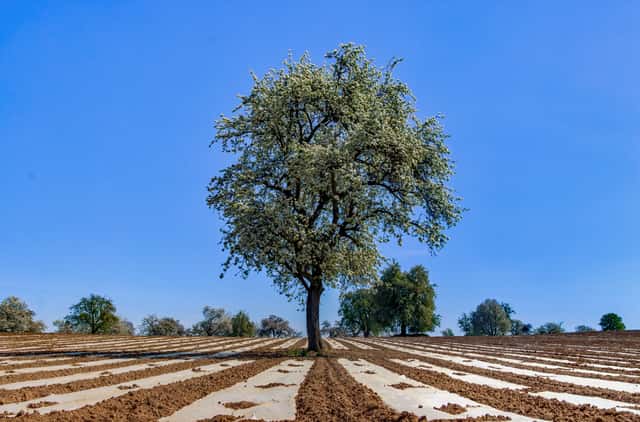
Pear (Pyrus) is a medium-care plant from the Rosaceae family. The genus Pyrus, in the family Rosaceae, encompasses the cultivated pear trees grown worldwide. The European pear (Pyrus communis) is the most widely cultivated species, prized for its sweet, buttery fruit enjoyed fresh, cooked, or preserved. These deciduous trees produce abundant clusters of white...
Pear grows up to 15.0m, spread of 900cm, watering every 7 days, -20°C – 35°C, 40–70% humidity. It is not suitable for indoor environments and safe for pets.
Unlike many popular species, Pear is safe to keep around pets.
How to Care for Pear?
TLDR: Pear needs Direct sun, watering every 7 days, and temperatures between -20-35°C with 40-70% humidity.
How Often Should You Water Pear?
Water pear trees approximately every 7 days during dry periods, providing about 1 inch (2.5 cm) of water weekly. Established trees tolerate some drought but consistent irrigation improves fruit quality. Avoid waterlogged soil as roots are sensitive to excess moisture.
How Much Light Does Pear Need?
Pear trees require full sun — at least 6 to 8 hours of direct sunlight per day. Insufficient light reduces fruit production and increases disease susceptibility. Plant in open, sunny locations away from shade.
What Is the Best Soil for Pear?
Pear trees prefer deep, well-drained loamy soil rich in organic matter, with a pH between 6.0 and 7.5. Avoid compacted or waterlogged locations. Incorporate compost before planting to improve soil structure and fertility.
What Pot Should You Use for Pear?
For dwarf pear varieties grown in containers, use large terracotta or concrete pots with drainage holes. In gardens, plant directly in the ground with a minimum spacing of 4–6 meters between trees.
Care Schedule
Fertilize
Every 90 days
What Is Pear and Where Does It Come From?
The genus Pyrus, in the family Rosaceae, encompasses the cultivated pear trees grown worldwide. The European pear (Pyrus communis) is the most widely cultivated species, prized for its sweet, buttery fruit enjoyed fresh, cooked, or preserved. These deciduous trees produce abundant clusters of white spring blossoms before the leaves emerge, making them beautiful ornamental and fruit-bearing trees in gardens and orchards. Native to Europe and Western Asia, pear trees have been cultivated for over 5,000 years and hold an important place in culinary and cultural history.
How to Propagate Pear?
Grafting
Grafting is the most reliable method to preserve cultivar traits and control tree size. Always use sterilized tools.
- 1 Select a compatible rootstock (quince or wild pear)
- 2 Prepare the scion with a diagonal or cleft cut
- 3 Firmly join the scion to the rootstock and secure with grafting tape
- 4 Keep in a sheltered, humid spot until the graft takes
Materials needed:
Seed Propagation
Seedlings rarely reproduce the parent cultivar characteristics and take many more years to bear fruit.
- 1 Collect seeds from ripe pears and wash thoroughly
- 2 Cold-stratify seeds in moist sand at 4°C for 60–90 days
- 3 Sow in well-drained substrate after stratification
- 4 Keep in a bright location and await germination
Materials needed:
How Big Does Pear Grow?
TLDR: Pear can reach up to 15.0m tall with Medium growth rate.
Max height
15.0m
Spread
9.0m
Growth rate
Medium
Foliage
Deciduous
Plant Uses
Edible
Can be consumed
Ornamental
Great for decoration
Medicinal Uses
- Pear leaves and bark contain tannins with astringent properties, used in folk medicine for diarrhea and inflammation. The fruit has diuretic properties and is rich in dietary fiber, potassium, and vitamin C.
Culinary Uses
- Pear fruit is enjoyed fresh, poached, in jams and preserves, juices, liqueurs, pear vinegar, and a wide variety of sweet and savory culinary preparations. Highly valued in European and Asian cuisines.
Is your plant showing symptoms?
Click on the symptom to discover possible causes:
What Diseases Commonly Affect Pear?
TLDR: Pear is susceptible to 6 known diseases. Monitor regularly for early detection.
Fire Blight
Fire blight is a highly destructive and contagious bacterial disease caused by Erwinia amylovora. It primarily affects plants in the Rosaceae family, including apple, pear, quince trees, and various ornamental plants. The disease can destroy an entire orchard in a single growing season under ideal conditions, with the bacterium moving approximately 11 inches per week in new growth.
Anthracnose
Anthracnose is a fungal disease caused by fungi in the genus Colletotrichum that affects many plants, including vegetables, fruits, and trees. The disease thrives in cool, wet conditions, causing dark, sunken lesions on leaves, stems, flowers, and fruits.
Canker
Canker is a disease caused by various fungi and bacteria that create necrotic, sunken areas on bark of branches, stems, and trunks. Pathogens enter through wounds and natural openings, especially when plants are stressed. Canker can gradually weaken or kill branches by disrupting water and nutrient flow.
Powdery Mildew
Powdery mildew is a common fungal disease caused by various fungi species including Erysiphe, Podosphaera, Oïdium, and Leveillula. It affects over 10,000 plant species worldwide. The disease thrives in warm, dry climates with high humidity and appears as a distinctive white powdery coating on plant surfaces.
Meaning & Symbolism
Pear trees symbolize longevity, prosperity, and abundance in many cultures. In Greek mythology, the pear was sacred to Hera and Aphrodite, associated with love and fertility. In Asian traditions it represents immortality and good fortune. Featured in the Twelve Days of Christmas, the pear tree carries poetic and seasonal symbolism in Western culture.
Fun Facts
Pear trees have been cultivated for over 5,000 years, making them one of the oldest fruit crops in human history
Pliny the Elder described more than 40 varieties of pear in the 1st century AD
A pear tree can live for hundreds of years — some specimens over 300 years old still bear fruit
In ancient Greece, the pear tree was considered sacred to both Hera and Aphrodite
Frequently asked questions
How often should I water a pear tree?
How much sun does a pear tree need?
Is the pear tree toxic to pets?
When does the pear tree bloom?
What are the main diseases of pear trees?
Compare with similar plants
| Attribute | Difficulty | Light | Watering | Pet Safe |
|---|---|---|---|---|
| Dark Fieldcap | Medium | Low light | 2d | ⚠️ |
| Azalea | Medium | Partial shade | 3d | ⚠️ |
| Muriel's Bamboo | Medium | Partial shade | 3d | ✓ |
| Bougainvillea | Medium | Direct sun | 7d | ⚠️ |




