Geraniaceae
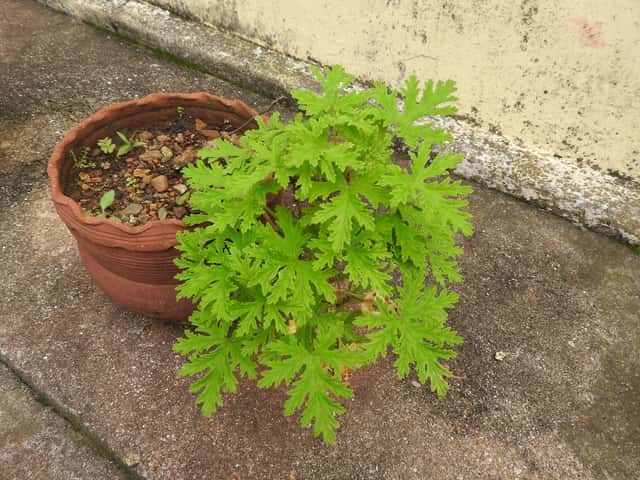
Rose Geranium — Pelargonium graveolens
Pelargonium graveolens
Easy-care plant that thrives in full sun and well-draining soil. Water only when the top inch of soil is dry. Grows outdoors in warm climates (zones 10–11) and as a houseplant in cooler regions.
Every 8 days
Direct sun
10° - 30°C
40% - 60%
Categories
What is Rose Geranium?
Rose Geranium (Pelargonium graveolens) is a easy-care plant from the Geraniaceae family. Pelargonium graveolens, commonly known as rose geranium, is a fragrant subshrub native to South Africa. Its deeply lobed, velvety leaves release a strong rose-like scent when touched, and it produces small pink to purple flowers in spring and summer. Widely cultivated for its essential oil used in p...
Rose Geranium grows up to 1.5m, spread of 90cm, watering every 8 days, 10°C – 30°C, 40–60% humidity. It is suitable for indoor environments and not safe for pets.
Unlike many tropical plants, Rose Geranium tolerates watering mistakes. Best for beginners. Without precautions, ingestion can cause irritation in pets. Keep out of reach of cats and dogs. Without adequate drainage, root rot can develop within 16 days.
How to Care for Rose Geranium?
TLDR: Rose Geranium needs Direct sun, watering every 8 days, and temperatures between 10-30°C with 40-60% humidity.
How Often Should You Water Rose Geranium?
Water every 7–10 days, allowing soil to dry almost completely between waterings. Reduce watering in winter. Avoid waterlogged soil, which leads to root rot.
How Much Light Does Rose Geranium Need?
Requires at least 6 hours of direct sunlight daily for strong growth and maximum fragrance. Indoors, place near a south- or west-facing window.
What Is the Best Soil for Rose Geranium?
Use a well-draining mix of potting soil, coarse sand, and perlite. Avoid heavy clay soils that retain moisture. Slightly acidic to neutral pH (5.8–6.5) is ideal.
What Pot Should You Use for Rose Geranium?
Terracotta or ceramic pots with drainage holes are ideal. Avoid plastic pots that retain moisture.
Care Schedule
Fertilize
Every 30 days
Rotate
Every 30 days
Repot
Every 365 days
What Is Rose Geranium and Where Does It Come From?
Pelargonium graveolens, commonly known as rose geranium, is a fragrant subshrub native to South Africa. Its deeply lobed, velvety leaves release a strong rose-like scent when touched, and it produces small pink to purple flowers in spring and summer. Widely cultivated for its essential oil used in perfumery and aromatherapy, it is also a popular ornamental and culinary herb.
How Big Does Rose Geranium Grow?
TLDR: Rose Geranium can reach up to 1.5m tall with Fast growth rate.
Max height
1.5m
Spread
90cm
Growth rate
Fast
Foliage
Evergreen
Warning: Toxic Plant
This plant can be toxic if ingested. Keep out of reach of:
Plant Uses
Ornamental
Great for decoration
Aromatic
Pleasant fragrance
Medicinal
Medicinal properties
Medicinal Uses
- Leaf and essential oil used in aromatherapy to reduce anxiety, stress, and hormonal imbalance
- Rose geranium oil has antifungal and antibacterial properties used in natural skin care
Culinary Uses
- Fresh or dried leaves used to flavor sugars, teas, cakes, ice creams, and jellies
- Leaves can be used to line cake pans for a delicate rose-floral aroma
Is your plant showing symptoms?
Click on the symptom to discover possible causes:
What Diseases Commonly Affect Rose Geranium?
TLDR: Rose Geranium is susceptible to 7 known diseases. Monitor regularly for early detection.
Gray Mold (Botrytis Blight)
Gray mold, caused by the fungus Botrytis cinerea, is one of the most common fungal diseases in plants. It affects over 200 plant species, including ornamentals, vegetables, fruits, and houseplants. The disease thrives in cool, humid conditions with poor air circulation, causing grayish spots and soft rot on infected tissues.
Rust
Rust is a common fungal disease caused by fungi in the order Pucciniales that affects a wide variety of plants. The disease gets its name from the characteristic orange, yellow, or reddish-brown pustules that appear on leaves, resembling metal rust. This obligate fungal parasite requires living plants to survive and can cause significant economic losses in agricultural crops.
Root Rot
Root rot is a serious fungal disease that affects the root system of plants, causing them to decay and die. It is primarily caused by overwatering, poor drainage, or soil-borne fungi such as Pythium, Phytophthora, Rhizoctonia, and Fusarium. The disease thrives in waterlogged conditions where roots are deprived of oxygen, making them susceptible to fungal infection.
Aphids
Aphids are small, soft-bodied, pear-shaped insects (1/16 to 1/8 inch long) that feed by sucking nutrient-rich sap from plants. They reproduce rapidly and can quickly weaken plants, causing distorted growth and transmitting plant viruses. Aphids come in various colors including green, black, red, yellow, brown, and gray. They secrete honeydew, a sticky substance that attracts ants and encourages sooty mold growth.
Meaning & Symbolism
Associated with love, happiness, and protection in folk traditions; widely used in aromatherapy for its calming and balancing properties.
Fun Facts
Pelargonium graveolens is one of the main sources of geranium essential oil used in perfumery, often used as a more affordable substitute for rose oil.
Victorian ladies placed scented geranium leaves in gloves to perfume their hands.
The plant has mosquito-repelling properties due to its high citronellol content.
Frequently asked questions
Is rose geranium toxic to pets?
How often should I water rose geranium?
Can rose geranium be grown indoors?
Compare with similar plants
| Attribute | Difficulty | Light | Watering | Pet Safe |
|---|---|---|---|---|
| Small Scabious | Easy | Direct sun | 7d | ✓ |
| Field Maple | Easy | Bright indirect | 14d | ✓ |
| Silver Birch | Easy | Direct sun | 14d | ✓ |
| Red valerian | Easy | Direct sun | 10d | ✓ |


