Polygonaceae
Bohemian Knotweed – Reynoutria × bohemica
Reynoutria × bohemica
Bohemian knotweed requires intensive management rather than cultivation. Cut stems to ground level at least three times per season before flowering. Apply systemic herbicide (glyphosate) to freshly cut stems or in late summer. Expect 5–10 years of consistent treatment for meaningful control. Never compost any plant material — bag and incinerate or send to licensed disposal.
Every 7 days
Bright indirect
-25° - 40°C
40% - 80%
Categories
What is Bohemian knotweed?
Bohemian knotweed (Reynoutria × bohemica) is a hard-care plant from the Polygonaceae family. Reynoutria × bohemica, commonly known as Bohemian knotweed, is a highly invasive hybrid perennial resulting from the natural cross between Japanese knotweed (R. japonica) and giant knotweed (R. sachalinensis). First identified in Bohemia (Czech Republic) in the late 19th century, it has since spread...
Bohemian knotweed grows up to 5.0m, spread of 700cm, watering every 7 days, -25°C – 40°C, 40–80% humidity. It is not suitable for indoor environments and not safe for pets.
Unlike easy-care plants, Bohemian knotweed demands constant attention to humidity and light. Not recommended for beginners. Without precautions, ingestion can cause irritation in pets. Keep out of reach of cats and dogs.
How to Care for Bohemian knotweed?
TLDR: Bohemian knotweed needs Bright indirect, watering every 7 days, and temperatures between -25-40°C with 40-80% humidity.
How Often Should You Water Bohemian knotweed?
Highly adaptable — thrives in waterlogged, dry, or moderately moist soils. In controlled settings, water every 7 days. In natural environments no irrigation is needed; the plant sources moisture efficiently from deep rhizomes.
How Much Light Does Bohemian knotweed Need?
Grows vigorously in full sun to partial shade. Full sun encourages flowering and seed set; light shade slows growth marginally but does not suppress the plant. Avoid deliberately establishing in any location.
What Is the Best Soil for Bohemian knotweed?
Extremely adaptable — sandy, clay, loamy, or contaminated soils. Prefers loamy substrates with pH 5.5–7.5 but tolerates a wide range. Often colonises disturbed or riparian ground.
What Pot Should You Use for Bohemian knotweed?
Not suitable for container growing — the destructive root system breaches any standard container. Research contexts may use specialised root-barrier containers with 60+ cm reinforced walls.
Care Schedule
Fertilize
Every 14 days
Misting
Every 3 days
Rotate
Every 7 days
Repot
Every 365 days
What Is Bohemian knotweed and Where Does It Come From?
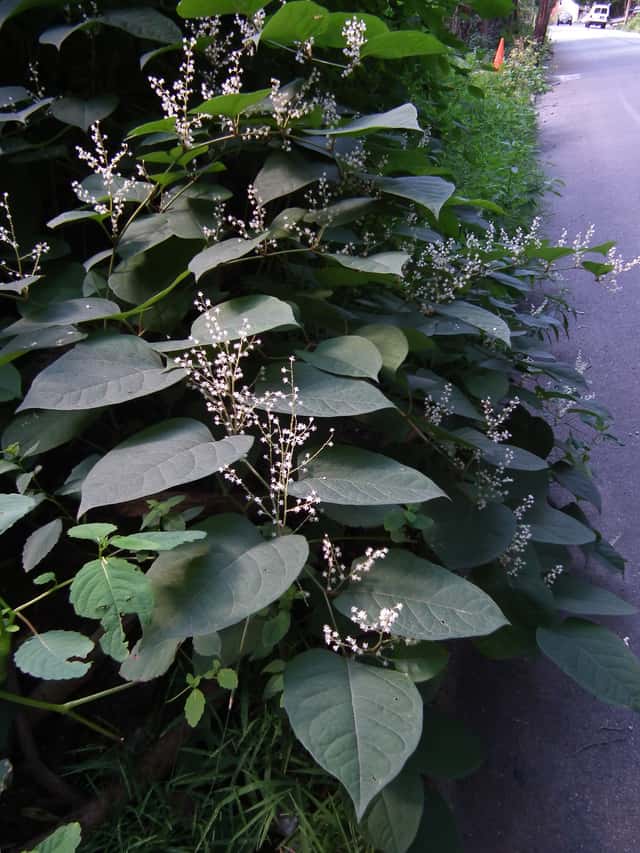
Reynoutria × bohemica, commonly known as Bohemian knotweed, is a highly invasive hybrid perennial resulting from the natural cross between Japanese knotweed (R. japonica) and giant knotweed (R. sachalinensis). First identified in Bohemia (Czech Republic) in the late 19th century, it has since spread aggressively across Europe, North America, New Zealand, and beyond. The plant produces hollow, bamboo-like canes reaching 3–5 m in height and an underground rhizome network extending up to 7 m laterally and 3 m deep. These rhizomes can penetrate building foundations, drainage systems, flood defences, and road surfaces. Bohemian knotweed is listed among the world's 100 worst invasive species and is subject to legal controls in the UK, EU, and several US states. It outcompetes all native vegetation through rapid canopy closure and allelopathic root exudates that suppress surrounding plant growth.
How Big Does Bohemian knotweed Grow?
TLDR: Bohemian knotweed can reach up to 5.0m tall with Fast growth rate.
Max height
5.0m
Spread
7.0m
Growth rate
Fast
Foliage
Deciduous
Warning: Toxic Plant
This plant can be toxic if ingested. Keep out of reach of:
Plant Uses
Ground Cover
Soil coverage
Is your plant showing symptoms?
Click on the symptom to discover possible causes:
What Diseases Commonly Affect Bohemian knotweed?
TLDR: Bohemian knotweed is susceptible to 6 known diseases. Monitor regularly for early detection.
Rust
Rust is a common fungal disease caused by fungi in the order Pucciniales that affects a wide variety of plants. The disease gets its name from the characteristic orange, yellow, or reddish-brown pustules that appear on leaves, resembling metal rust. This obligate fungal parasite requires living plants to survive and can cause significant economic losses in agricultural crops.
Powdery Mildew
Powdery mildew is a common fungal disease caused by various fungi species including Erysiphe, Podosphaera, Oïdium, and Leveillula. It affects over 10,000 plant species worldwide. The disease thrives in warm, dry climates with high humidity and appears as a distinctive white powdery coating on plant surfaces.
Aphids
Aphids are small, soft-bodied, pear-shaped insects (1/16 to 1/8 inch long) that feed by sucking nutrient-rich sap from plants. They reproduce rapidly and can quickly weaken plants, causing distorted growth and transmitting plant viruses. Aphids come in various colors including green, black, red, yellow, brown, and gray. They secrete honeydew, a sticky substance that attracts ants and encourages sooty mold growth.
Leaf Spot
Leaf spot is a common fungal disease caused by various pathogens including Alternaria, Ascochyta, Colletotrichum, Septoria, and Venturia. It primarily affects leaves, causing discolored spots that can lead to premature leaf drop if left untreated.
Meaning & Symbolism
In ecological discourse, Bohemian knotweed symbolises the uncontrollable power of invasive species and serves as a cautionary emblem for unchecked biodiversity loss caused by human activity.
Fun Facts
A single 1 cm rhizome fragment can give rise to an entirely new plant colony.
Bohemian knotweed can push through tarmac, concrete, and brick walls with root pressure exceeding 40 tonnes per m².
Young spring shoots are edible and have been used as a rhubarb substitute in some European cuisines.
The rust fungus Puccinia japonica is being trialled as a biocontrol agent against knotweed in Europe and the US.
Property values can decrease significantly when Bohemian knotweed is found on or near a site, as mortgage lenders may refuse to lend.
Frequently asked questions
Is Bohemian knotweed the same as Japanese knotweed?
Is Bohemian knotweed illegal?
How do you kill Bohemian knotweed?
Compare with similar plants
| Attribute | Difficulty | Light | Watering | Pet Safe |
|---|---|---|---|---|
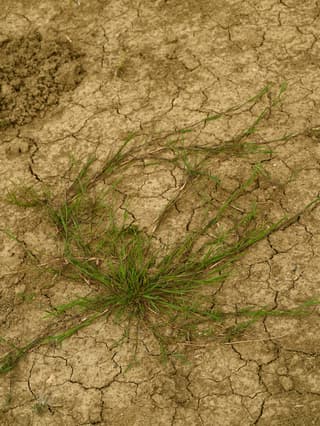
| Creeping bentgrass | Hard | Direct sun | 3d | ✓ |
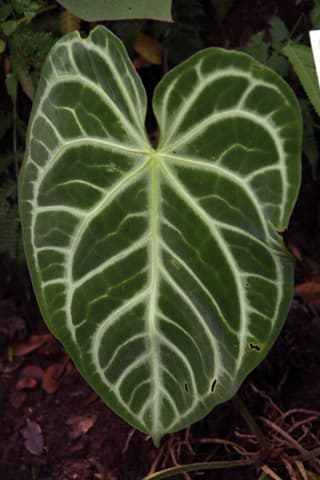
| Crystal Anthurium | Hard | Partial shade | 7d | ⚠️ |
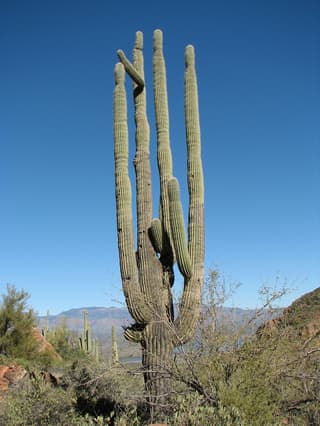
| Saguaro | Hard | Direct sun | 21d | ✓ |
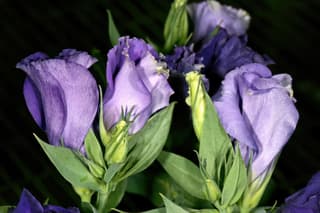
| Lisianthus | Hard | Bright indirect | 7d | ✓ |