Sapindaceae
Red Maple (Acer rubrum)
Acer rubrum
Red Maple thrives in full sun to partial shade and adapts to a wide range of soils. Water regularly during the first two years after planting; established trees are drought-tolerant. Prune in late winter or early spring before budbreak. Fertilize once a year in early spring if needed.
Every 14 days
Bright indirect
-40° - 38°C
40% - 70%
Categories
What is Red Maple?
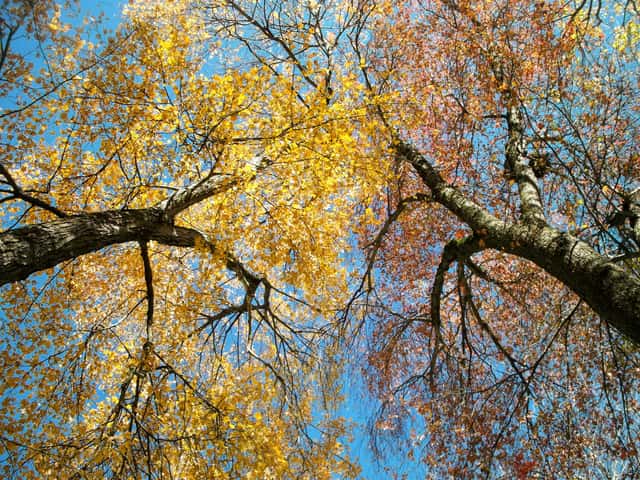
Red Maple (Acer rubrum) is a medium-care plant from the Sapindaceae family. Acer rubrum, commonly known as the Red Maple, is one of the most abundant and widespread deciduous trees in eastern North America. Celebrated for its spectacular crimson, orange, and yellow autumn foliage, it is a fast-growing landscape tree valued for shade, wildlife habitat, and ornamental beauty.
Red Maple grows up to 18.0m, spread of 1200cm, watering every 14 days, -40°C – 38°C, 40–70% humidity. It is not suitable for indoor environments and safe for pets.
Unlike many popular species, Red Maple is safe to keep around pets.
How to Care for Red Maple?
TLDR: Red Maple needs Bright indirect, watering every 14 days, and temperatures between -40-38°C with 40-70% humidity.
How Often Should You Water Red Maple?
Water deeply once a week for the first two years; established trees only need supplemental watering every 2–3 weeks during extended droughts.
How Much Light Does Red Maple Need?
Plant in full sun for the best autumn color. Tolerates partial shade but may show less vivid fall foliage.
What Is the Best Soil for Red Maple?
Prefers moist, well-drained loamy or acidic soils with a pH of 6.0–7.0. Tolerates clay, sand, and even occasionally waterlogged sites.
What Pot Should You Use for Red Maple?
Not typically grown in containers; best planted directly in the ground in a spacious outdoor location.
What Is Red Maple and Where Does It Come From?
Acer rubrum, commonly known as the Red Maple, is one of the most abundant and widespread deciduous trees in eastern North America. Celebrated for its spectacular crimson, orange, and yellow autumn foliage, it is a fast-growing landscape tree valued for shade, wildlife habitat, and ornamental beauty.
How to Propagate Red Maple?
Seed propagation
Red maple seeds are unusual in that they germinate quickly in spring without cold stratification. Sow fresh seeds promptly after collection.
- 1 Collect seeds (samaras) in spring as they ripen
- 2 Sow immediately without stratification as red maple seeds have no dormancy
- 3 Press seeds lightly into moist seed-starting mix
- 4 Keep moist and in indirect light until germination
Materials needed:
Softwood cutting
Maintain high humidity around cuttings. Check for roots after 6 weeks by gently tugging.
- 1 Take 10–15 cm softwood cuttings in early summer
- 2 Remove lower leaves, keep 2–3 leaves at the tip
- 3 Dip the cut end in rooting hormone powder
- 4 Plant in moist perlite/peat mix and cover with a plastic dome
- 5 Keep in indirect light until roots develop
Materials needed:
How Big Does Red Maple Grow?
TLDR: Red Maple can reach up to 18.0m tall with Fast growth rate.
Max height
18.0m
Spread
12.0m
Growth rate
Fast
Foliage
Deciduous
Plant Uses
Ornamental
Great for decoration
Is your plant showing symptoms?
Click on the symptom to discover possible causes:
What Diseases Commonly Affect Red Maple?
TLDR: Red Maple is susceptible to 8 known diseases. Monitor regularly for early detection.
Verticillium Wilt
Verticillium wilt is a soil-borne fungal disease caused primarily by the fungi Verticillium dahliae and V. albo-atrum. These pathogens infect plant roots and grow within the vascular tissues, blocking water and nutrient transport, resulting in wilting and eventual plant death. The disease affects over 350 plant species including vegetables, fruits, ornamental flowers, and trees. The fungi can survive in soil for more than 10 years as resistant structures called microsclerotia.
Leaf Spot
Leaf spot is a common fungal disease caused by various pathogens including Alternaria, Ascochyta, Colletotrichum, Septoria, and Venturia. It primarily affects leaves, causing discolored spots that can lead to premature leaf drop if left untreated.
Canker
Canker is a disease caused by various fungi and bacteria that create necrotic, sunken areas on bark of branches, stems, and trunks. Pathogens enter through wounds and natural openings, especially when plants are stressed. Canker can gradually weaken or kill branches by disrupting water and nutrient flow.
Root Rot
Root rot is a serious fungal disease that affects the root system of plants, causing them to decay and die. It is primarily caused by overwatering, poor drainage, or soil-borne fungi such as Pythium, Phytophthora, Rhizoctonia, and Fusarium. The disease thrives in waterlogged conditions where roots are deprived of oxygen, making them susceptible to fungal infection.
Meaning & Symbolism
In North America, the Red Maple symbolizes strength, endurance, and the vibrancy of seasonal change. Its fiery autumn colors are iconic symbols of fall.
Fun Facts
The Red Maple is one of the first trees to show color in autumn and one of the first to flower in spring, bridging the seasons.
Its scientific name Acer rubrum means "red maple" in Latin — rubrum simply meaning "red," referencing its red flowers, fruit, stems, and autumn leaves.
Red Maple sap can be used to make maple syrup, though sugar maple (Acer saccharum) is more commonly used commercially.
Red Maple is a keystone species in eastern North American forests, providing food and habitat for hundreds of species of insects and wildlife.
Frequently asked questions
How often should I water a Red Maple?
Is Red Maple toxic to pets?
How fast does a Red Maple grow?
What is the best soil for Red Maple?
When does Red Maple bloom?
Compare with similar plants
| Attribute | Difficulty | Light | Watering | Pet Safe |
|---|---|---|---|---|
| Dark Fieldcap | Medium | Low light | 2d | ⚠️ |
| Azalea | Medium | Partial shade | 3d | ⚠️ |
| Field Maple | Easy | Bright indirect | 14d | ✓ |
| Muriel's Bamboo | Medium | Partial shade | 3d | ✓ |




