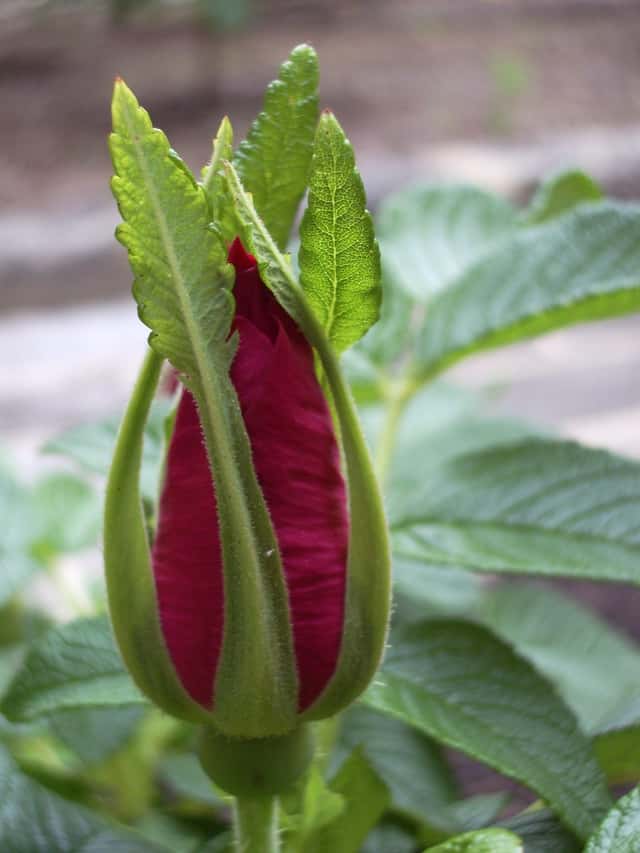
Rosaceae
Rose: Aromatic Plant
Rosa
Roses thrive in full sun and nutrient-rich soil, requiring regular pruning to maintain vigor and flowering.
Every 7 days
Direct sun
7° - 32°C
30% - 60%
Categories
What is Rose?
Rose (Rosa) is a medium-care plant from the Rosaceae family. The Rose is one of the most iconic shrubs in the world, belonging to the Rosaceae family. Known for its stunning beauty and unmistakable fragrance, it features woody stems usually protected by prickles (thorns). There are thousands of varieties resulting from centuries of hybridization, ranging from...
Rose grows up to 1.8m, spread of 150cm, watering every 7 days, 7°C – 32°C, 30–60% humidity. It is not suitable for indoor environments and safe for pets.
Unlike many popular species, Rose is safe to keep around pets.
How to Care for Rose?
TLDR: Rose needs Direct sun, watering every 7 days, and temperatures between 7-32°C with 30-60% humidity.
How Often Should You Water Rose?
Always water at the base of the plant. Avoid wetting the leaves and flowers to prevent the emergence of fungi such as powdery mildew and black spot.
How Much Light Does Rose Need?
The rose bush needs at least 6 hours of direct sunlight per day to produce healthy flowers and avoid diseases.
What Is the Best Soil for Rose?
Use a mixture rich in organic matter, such as worm castings, and ensure the soil is well-drained.
What Pot Should You Use for Rose?
Large, deep ceramic or terracotta pots with excellent drainage.
Care Schedule
Fertilize
Every 30 days
What Is Rose and Where Does It Come From?
The Rose is one of the most iconic shrubs in the world, belonging to the Rosaceae family. Known for its stunning beauty and unmistakable fragrance, it features woody stems usually protected by prickles (thorns). There are thousands of varieties resulting from centuries of hybridization, ranging from miniatures to climbing roses.
How to Propagate Rose?
Stem Cuttings
- Use rooting hormone to speed up the process
- Maintain constant humidity without waterlogging
- 1 Stem Selection
Cut a healthy stem approximately 6-8 inches (15-20 cm) long that has recently bloomed.
- 2 Preparation
Remove the leaves from the bottom half and make a diagonal cut at the base.
- 3 Planting
Insert the cutting into a light, moist substrate, keeping it protected from direct sunlight until rooted.
Materials needed:
How Big Does Rose Grow?
TLDR: Rose can reach up to 1.8m tall with Medium growth rate.
Max height
1.8m
Spread
1.5m
Growth rate
Medium
Foliage
Deciduous
Plant Uses
Ornamental
Great for decoration
Medicinal
Medicinal properties
Edible
Can be consumed
Aromatic
Pleasant fragrance
Medicinal Uses
- Petal tea for stress relief
- Rose water for skincare
- Source of vitamin C through the fruits (rose hips)
Culinary Uses
- Rose petal jam
- Infusions and teas
- Cake and pastry decoration
- Aromatic syrups
Is your plant showing symptoms?
Click on the symptom to discover possible causes:
What Diseases Commonly Affect Rose?
TLDR: Rose is susceptible to 10 known diseases. Monitor regularly for early detection.
Black Spot
Black spot is the most serious fungal disease affecting roses, caused by the fungus Diplocarpon rosae. It is characterized by dark circular spots on leaves that progress to yellowing and premature leaf drop. The disease thrives in humid and cool conditions, especially early in the growing season.
Powdery Mildew
Powdery mildew is a common fungal disease caused by various fungi species including Erysiphe, Podosphaera, Oïdium, and Leveillula. It affects over 10,000 plant species worldwide. The disease thrives in warm, dry climates with high humidity and appears as a distinctive white powdery coating on plant surfaces.
Rust
Rust is a common fungal disease caused by fungi in the order Pucciniales that affects a wide variety of plants. The disease gets its name from the characteristic orange, yellow, or reddish-brown pustules that appear on leaves, resembling metal rust. This obligate fungal parasite requires living plants to survive and can cause significant economic losses in agricultural crops.
Aphids
Aphids are small, soft-bodied, pear-shaped insects (1/16 to 1/8 inch long) that feed by sucking nutrient-rich sap from plants. They reproduce rapidly and can quickly weaken plants, causing distorted growth and transmitting plant viruses. Aphids come in various colors including green, black, red, yellow, brown, and gray. They secrete honeydew, a sticky substance that attracts ants and encourages sooty mold growth.
Meaning & Symbolism
Symbolizes love, passion, beauty, and perfection. Each color carries a specific meaning, such as white for purity and yellow for friendship.
Compare with similar plants
| Attribute | Difficulty | Light | Watering | Pet Safe |
|---|---|---|---|---|
| Dark Fieldcap | Medium | Low light | 2d | ⚠️ |
| Azalea | Medium | Partial shade | 3d | ⚠️ |
| Muriel's Bamboo | Medium | Partial shade | 3d | ✓ |
| Bougainvillea | Medium | Direct sun | 7d | ⚠️ |




