Theaceae
Sasanqua Camellia: The Fragrant Autumn-Blooming Shrub
Camellia sasanqua
Sasanqua Camellia is a low-maintenance shrub once established. It thrives in acidic, well-drained soil (pH 5.5–6.5) enriched with organic matter. It prefers full sun to partial shade with at least 4 to 6 hours of sunlight. Water regularly during dry spells and fertilize twice yearly with an acid-formulated fertilizer. Prune once per year immediately after flowering to maintain shape and encourage new growth.
Every 7 days
Bright indirect
-12° - 35°C
50% - 80%
Categories
What is Sasanqua Camellia?
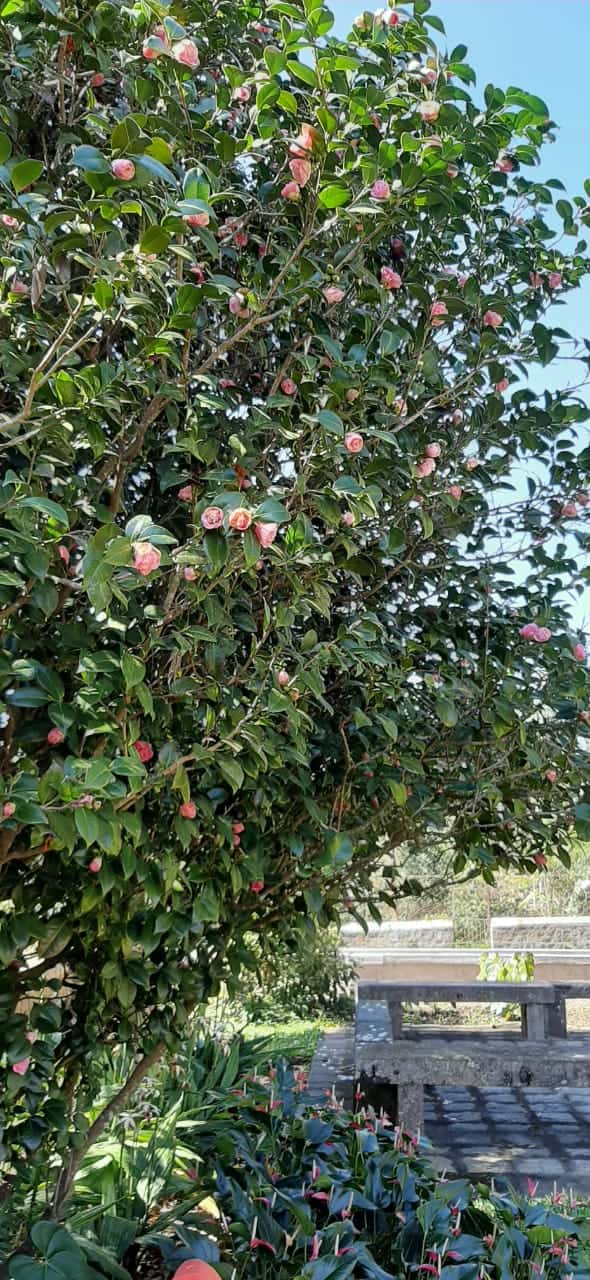
Sasanqua Camellia (Camellia sasanqua) is a medium-care plant from the Theaceae family. Camellia sasanqua is an evergreen ornamental shrub native to Japan, belonging to the Theaceae family. Unlike many flowering shrubs, it blooms in fall through early winter — a season when most garden plants lie dormant — producing fragrant single or semi-double flowers in shades of white, pink, red,...
Sasanqua Camellia grows up to 4.3m, spread of 305cm, watering every 7 days, -12°C – 35°C, 50–80% humidity. It is not suitable for indoor environments and safe for pets.
Unlike many popular species, Sasanqua Camellia is safe to keep around pets.
How to Care for Sasanqua Camellia?
TLDR: Sasanqua Camellia needs Bright indirect, watering every 7 days, and temperatures between -12-35°C with 50-80% humidity.
How Often Should You Water Sasanqua Camellia?
Water established plants deeply every 7 days during dry periods. Newly planted shrubs need watering every 1–2 days for the first 6 to 12 months to develop a strong root system. Avoid waterlogging — soggy soil promotes root rot. Apply a 2–3 inch layer of organic mulch around the base to retain moisture.
How Much Light Does Sasanqua Camellia Need?
Sasanqua Camellia performs best in full sun to partial shade. Morning sun with afternoon dappled shade is ideal, especially in hot climates. Unlike Camellia japonica, sasanqua is notably more sun-tolerant and can handle more direct exposure once established.
What Is the Best Soil for Sasanqua Camellia?
Use acidic, well-draining soil with a pH between 5.5 and 6.5, rich in organic matter. A mix formulated for camellias or azaleas with pine bark or peat works well. Avoid alkaline soils, which cause chlorosis (yellowing of leaves). Top-dress annually with organic compost or pine bark mulch.
What Pot Should You Use for Sasanqua Camellia?
Large ceramic or terracotta pots with drainage holes work best for container cultivation. Choose deep containers to accommodate the root system. Avoid dark-colored pots that absorb excessive heat in summer, which can stress roots.
Care Schedule
Fertilize
Every 182 days
What Is Sasanqua Camellia and Where Does It Come From?
Camellia sasanqua is an evergreen ornamental shrub native to Japan, belonging to the Theaceae family. Unlike many flowering shrubs, it blooms in fall through early winter — a season when most garden plants lie dormant — producing fragrant single or semi-double flowers in shades of white, pink, red, and cream. Mature plants reach 6 to 14 feet tall with a spread of 6 to 10 feet, bearing glossy, dark green leaves year-round. Compared to Camellia japonica, the sasanqua is more sun-tolerant, faster-growing, and more adaptable to a variety of landscape uses including hedges, screens, espaliers, foundation plantings, and container gardens. With minimal care once established, it can live for 50 to over 100 years.
How to Propagate Sasanqua Camellia?
Semi-hardwood stem cutting
Use sterilized tools to prevent disease. Ventilate the plastic cover daily to prevent mold. Keep the medium moist but not soggy.
- 1 Take a semi-hardwood cutting of 4–6 inches in late summer to early fall
- 2 Remove lower leaves, leaving 2–3 leaves at the tip
- 3 Dip the cut end in rooting hormone powder
- 4 Insert into moist propagation medium (perlite + peat) and cover with a clear plastic bag or dome to maintain humidity
- 5 Place in bright, indirect light and wait 6–12 weeks for roots to develop
Materials needed:
Air layering
Keep the moss consistently moist throughout the process. This method produces larger, more robust plants than cuttings.
- 1 Select a pencil-thick branch in spring
- 2 Remove a 1-inch ring of bark from the branch
- 3 Pack moist sphagnum moss around the wound and wrap tightly with clear plastic film, sealing both ends
- 4 Wait until roots are visible through the plastic (2–4 months)
- 5 Cut the branch below the rooted section and pot up the new plant
Materials needed:
How Big Does Sasanqua Camellia Grow?
TLDR: Sasanqua Camellia can reach up to 4.3m tall with Fast growth rate.
Max height
4.3m
Spread
3.0m
Growth rate
Fast
Foliage
Evergreen
Plant Uses
Ornamental
Great for decoration
Is your plant showing symptoms?
Click on the symptom to discover possible causes:
What Diseases Commonly Affect Sasanqua Camellia?
TLDR: Sasanqua Camellia is susceptible to 10 known diseases. Monitor regularly for early detection.
Canker
Canker is a disease caused by various fungi and bacteria that create necrotic, sunken areas on bark of branches, stems, and trunks. Pathogens enter through wounds and natural openings, especially when plants are stressed. Canker can gradually weaken or kill branches by disrupting water and nutrient flow.
Gray Mold (Botrytis Blight)
Gray mold, caused by the fungus Botrytis cinerea, is one of the most common fungal diseases in plants. It affects over 200 plant species, including ornamentals, vegetables, fruits, and houseplants. The disease thrives in cool, humid conditions with poor air circulation, causing grayish spots and soft rot on infected tissues.
Root Rot
Root rot is a serious fungal disease that affects the root system of plants, causing them to decay and die. It is primarily caused by overwatering, poor drainage, or soil-borne fungi such as Pythium, Phytophthora, Rhizoctonia, and Fusarium. The disease thrives in waterlogged conditions where roots are deprived of oxygen, making them susceptible to fungal infection.
Leaf Spot
Leaf spot is a common fungal disease caused by various pathogens including Alternaria, Ascochyta, Colletotrichum, Septoria, and Venturia. It primarily affects leaves, causing discolored spots that can lead to premature leaf drop if left untreated.
Meaning & Symbolism
Sasanqua Camellia symbolizes longevity, resilience, and quiet beauty. In Japanese culture, camellias represent love, admiration, and devotion. The sasanqua, blooming in autumn when nature rests, evokes the poetic appreciation of fleeting beauty — a concept deeply embedded in Japanese aesthetics.
Fun Facts
Sasanqua Camellia can live for 50 to over 100 years under ideal conditions, becoming a true heirloom plant in the garden.
Unlike most camellias, sasanqua tolerates full sun, making it more versatile than its relative Camellia japonica.
Its fragrant autumn flowers attract bees and butterflies when most other flowers have already faded for the season.
Sasanqua Camellia can be trained as an espalier against walls or fences, creating stunning living screens of flowers.
Frequently asked questions
How often should I water Sasanqua Camellia?
Is Sasanqua Camellia toxic to pets or humans?
What soil does Sasanqua Camellia need?
When does Sasanqua Camellia bloom?
How and when should I prune Sasanqua Camellia?
Compare with similar plants
| Attribute | Difficulty | Light | Watering | Pet Safe |
|---|---|---|---|---|
| Dark Fieldcap | Medium | Low light | 2d | ⚠️ |
| Azalea | Medium | Partial shade | 3d | ⚠️ |
| Muriel's Bamboo | Medium | Partial shade | 3d | ✓ |
| Bougainvillea | Medium | Direct sun | 7d | ⚠️ |