Zingiberaceae
Shell Ginger (Alpinia zerumbet): Complete Plant Care Guide
Alpinia zerumbet
Shell Ginger thrives in bright indirect light to partial shade with consistently moist, organically rich soil. Water weekly and maintain high humidity. Fertilize monthly during the growing season. It is fast-growing and low-maintenance once established.
Every 7 days
Bright indirect
10° - 35°C
60% - 90%
Categories
What is Shell Ginger?
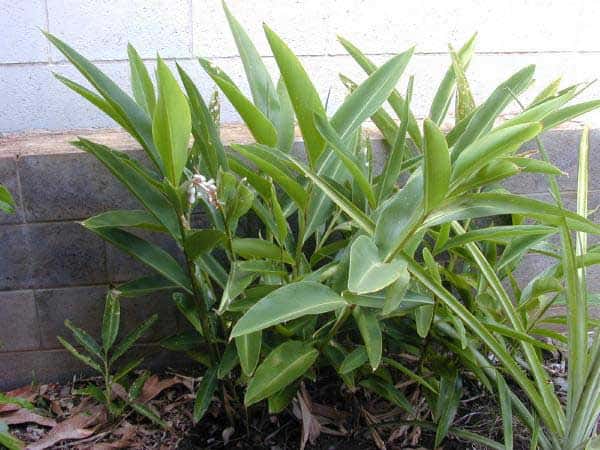
Shell Ginger (Alpinia zerumbet) is a medium-care plant from the Zingiberaceae family. Alpinia zerumbet, commonly known as Shell Ginger, is a magnificent tropical perennial native to East Asia (Japan and China). Belonging to the Zingiberaceae family, it produces large, lush, lance-shaped evergreen leaves and spectacular arching clusters of waxy, shell-shaped flowers in white and pink...
Shell Ginger grows up to 2.4m, spread of 150cm, watering every 7 days, 10°C – 35°C, 60–90% humidity. It is suitable for indoor environments and safe for pets.
Unlike many popular species, Shell Ginger is safe to keep around pets. Without adequate drainage, root rot can develop within 14 days.
How to Care for Shell Ginger?
TLDR: Shell Ginger needs Bright indirect, watering every 7 days, and temperatures between 10-35°C with 60-90% humidity.
How Often Should You Water Shell Ginger?
Water thoroughly every 5–7 days, ensuring the soil stays consistently moist but never waterlogged. Reduce watering slightly in winter. Good drainage is essential to prevent root rot. In hot climates, water may be needed more frequently.
How Much Light Does Shell Ginger Need?
Prefers bright indirect light or partial shade. It can tolerate full sun in coastal or humid environments, but direct afternoon sun in hot climates may scorch the leaves. An east-facing position with morning sun is ideal indoors.
What Is the Best Soil for Shell Ginger?
Use a rich, well-draining soil high in organic matter. A mix of loamy garden soil with compost or a quality tropical potting mix works well. Maintain a slightly acidic to neutral pH of 6.0–7.5. Avoid compacted or waterlogged soils.
What Pot Should You Use for Shell Ginger?
Large containers (30–50 cm diameter) with drainage holes work best. Terracotta pots help regulate moisture, but glazed ceramic or plastic pots also work well in outdoor settings.
Care Schedule
Fertilize
Every 30 days
Misting
Every 4 days
Repot
Every 730 days
What Is Shell Ginger and Where Does It Come From?
Alpinia zerumbet, commonly known as Shell Ginger, is a magnificent tropical perennial native to East Asia (Japan and China). Belonging to the Zingiberaceae family, it produces large, lush, lance-shaped evergreen leaves and spectacular arching clusters of waxy, shell-shaped flowers in white and pink with yellow accents. It is widely cultivated as an ornamental plant in tropical and subtropical gardens worldwide and can also be grown indoors in bright conditions.
How to Propagate Shell Ginger?
Rhizome Division
Best done in spring before new growth begins
- 1 Carefully dig up the clump after the growing season
- 2 Divide the rhizome into sections, each with at least one growing point and several leaves
- 3 Plant divisions at the same depth in organically rich moist soil
- 4 Water well and keep in a warm, humid location until established
Materials needed:
Stem Cuttings
Take cuttings with at least one node; keep humidity high
- 1 Cut a healthy stem section with 2–3 nodes
- 2 Remove lower leaves and dip the cut end in rooting hormone
- 3 Place in moist propagation mix
- 4 Keep warm (24–28°C) with high humidity until roots develop
Materials needed:
How Big Does Shell Ginger Grow?
TLDR: Shell Ginger can reach up to 2.4m tall with Fast growth rate.
Max height
2.4m
Spread
1.5m
Growth rate
Fast
Foliage
Evergreen
Plant Uses
Ornamental
Great for decoration
Medicinal
Medicinal properties
Aromatic
Pleasant fragrance
Medicinal Uses
- Anti-hypertensive
- Anti-inflammatory
- Diuretic
- Digestive aid
- Calming and anxiolytic
- Antioxidant
- Antipyretic (fever-reducing)
Culinary Uses
- Leaves used to wrap and flavor food in some Asian cuisines
- Rhizomes have culinary uses similar to galangal
- Seeds used as a spice substitute in some regions
Is your plant showing symptoms?
Click on the symptom to discover possible causes:
What Diseases Commonly Affect Shell Ginger?
TLDR: Shell Ginger is susceptible to 12 known diseases. Monitor regularly for early detection.
Spider Mites
Spider mites are tiny arachnids (less than 1/20 inch long) related to spiders and ticks that feed on plant sap. They thrive in hot, dry conditions and can cause significant damage to ornamental and vegetable plants. During severe infestations, crop losses can reach 14% or higher as these pests disrupt vital plant processes including photosynthesis, carbon dioxide absorption, and transpiration.
Aphids
Aphids are small, soft-bodied, pear-shaped insects (1/16 to 1/8 inch long) that feed by sucking nutrient-rich sap from plants. They reproduce rapidly and can quickly weaken plants, causing distorted growth and transmitting plant viruses. Aphids come in various colors including green, black, red, yellow, brown, and gray. They secrete honeydew, a sticky substance that attracts ants and encourages sooty mold growth.
Mealybugs
Mealybugs are small, soft-bodied insects covered with a white, waxy, cottony material. They are common pests of houseplants and outdoor plants in mild climates. These sap-sucking insects feed on plant tissue, causing damage, stunted growth, and can lead to plant death if left untreated. They produce sticky honeydew which attracts sooty mold.
Whiteflies
Whiteflies are small, soft-bodied, winged insects closely related to aphids and mealybugs. They are moth-like in appearance, about 1/16 inch long, triangular in shape, and gray-white in color. These sap-sucking pests feed on plant tissue, causing yellowing, stunted growth, and wilting. They also excrete honeydew, which attracts ants and promotes sooty mold growth. Whiteflies can transmit serious plant viruses.
Meaning & Symbolism
In Asian traditions, Shell Ginger symbolizes protection, purification, and good luck. Its exotic blooms represent tropical abundance and natural elegance.
Fun Facts
Shell Ginger is used in traditional medicine across Japan, China, and Brazil, where it is known as "colônia" and widely used in folk remedies for hypertension and anxiety.
The plant gets its name from the beautiful waxy white flowers that resemble delicate seashells when in bud.
Alpinia zerumbet leaves are used in some Asian cultures to wrap food for cooking, imparting a subtle aromatic flavor similar to pandan.
Despite being in the ginger family (Zingiberaceae), Shell Ginger rhizomes are not commonly used in cooking the way culinary ginger is, though they do have a similar spicy aroma.
Frequently asked questions
Is Shell Ginger toxic to pets or humans?
How often should I water Shell Ginger?
Can Shell Ginger grow indoors?
When does Shell Ginger bloom?
How fast does Shell Ginger grow?
Compare with similar plants
| Attribute | Difficulty | Light | Watering | Pet Safe |
|---|---|---|---|---|
| Dark Fieldcap | Medium | Low light | 2d | ⚠️ |
| Azalea | Medium | Partial shade | 3d | ⚠️ |
| Muriel's Bamboo | Medium | Partial shade | 3d | ✓ |
| Bougainvillea | Medium | Direct sun | 7d | ⚠️ |




