Plantaginaceae
Snapdragon: Edible Plant
Antirrhinum majus
Requires full sun and well-drained soil. Constant deadheading is essential to stimulate new blooms throughout the season.
Every 7 days
Direct sun
4° - 24°C
30% - 50%
Categories
What is Snapdragon?
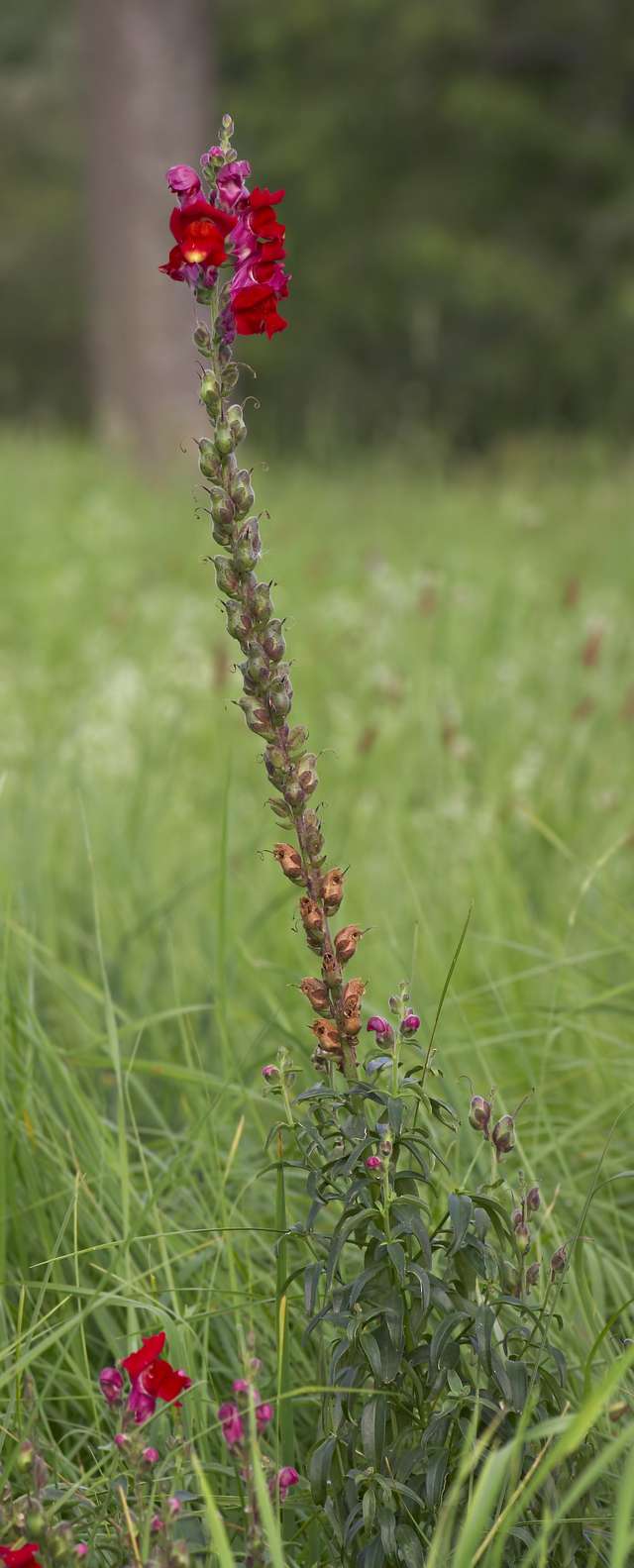
Snapdragon (Antirrhinum majus) is a medium-care plant from the Plantaginaceae family. The Snapdragon is a classic herbaceous garden plant, famous for its vertical flower spikes that open like a jaw when pressed on the sides. Native to the Mediterranean region, it is prized for its wide range of colors and for attracting pollinators such as bees and bumblebees. Although technically a...
Snapdragon grows up to 1.2m, spread of 55cm, watering every 7 days, 4°C – 24°C, 30–50% humidity. It is not suitable for indoor environments and safe for pets.
Unlike many popular species, Snapdragon is safe to keep around pets.
How to Care for Snapdragon?
TLDR: Snapdragon needs Direct sun, watering every 7 days, and temperatures between 4-24°C with 30-50% humidity.
How Often Should You Water Snapdragon?
Always water at the base to avoid wetting the leaves, which reduces the risk of rust and other fungal diseases.
How Much Light Does Snapdragon Need?
The plant needs at least 6 to 8 hours of direct sunlight. In very hot climates, partial afternoon shade can prevent the plant from wilting prematurely.
What Is the Best Soil for Snapdragon?
Prefers fertile soils, rich in organic matter and with a slightly acidic to neutral pH.
What Pot Should You Use for Snapdragon?
Pots with excellent drainage, preferably clay or ceramic to avoid excessive moisture buildup in the roots.
Care Schedule
Fertilize
Every 14 days
What Is Snapdragon and Where Does It Come From?
The Snapdragon is a classic herbaceous garden plant, famous for its vertical flower spikes that open like a jaw when pressed on the sides. Native to the Mediterranean region, it is prized for its wide range of colors and for attracting pollinators such as bees and bumblebees. Although technically a short-lived perennial, it is frequently grown as an annual in cooler or temperate climates.
How to Propagate Snapdragon?
Sowing
- Start sowing indoors 6 to 8 weeks before the last frost.
- 1 Seed Preparation
Sow on the surface of a light substrate, as the seeds need light to germinate.
- 2 Moisture Maintenance
Keep the soil slightly moist and in a bright spot, but without strong direct sun until germination.
- 3 Transplanting
Move to the permanent location when the seedlings have two pairs of true leaves.
Materials needed:
Stem cutting
- Using rooting hormone can significantly increase the success rate.
- 1 Cutting the Stem
Cut a 4-inch (10cm) segment from a healthy stem that has no flowers.
- 2 Planting
Remove the lower leaves and insert the base into a moist substrate.
- 3 Rooting
Keep in a warm, protected spot until new roots form.
Materials needed:
How Big Does Snapdragon Grow?
TLDR: Snapdragon can reach up to 1.2m tall with Medium growth rate.
Max height
1.2m
Spread
55cm
Growth rate
Medium
Foliage
Deciduous
Plant Uses
Ornamental
Great for decoration
Edible
Can be consumed
Culinary Uses
- Dish decoration
- Edible flowers in salads
- Cocktail garnish
Is your plant showing symptoms?
Click on the symptom to discover possible causes:
What Diseases Commonly Affect Snapdragon?
TLDR: Snapdragon is susceptible to 10 known diseases. Monitor regularly for early detection.
Rust
Rust is a common fungal disease caused by fungi in the order Pucciniales that affects a wide variety of plants. The disease gets its name from the characteristic orange, yellow, or reddish-brown pustules that appear on leaves, resembling metal rust. This obligate fungal parasite requires living plants to survive and can cause significant economic losses in agricultural crops.
Powdery Mildew
Powdery mildew is a common fungal disease caused by various fungi species including Erysiphe, Podosphaera, Oïdium, and Leveillula. It affects over 10,000 plant species worldwide. The disease thrives in warm, dry climates with high humidity and appears as a distinctive white powdery coating on plant surfaces.
Downy Mildew
Downy mildew is a fungal-like disease caused by oomycetes (water molds) that thrives in cool, wet conditions. It affects a wide range of plants, causing yellowing leaves with fuzzy white-gray growth underneath, leading to defoliation and reduced yields if left untreated.
Gray Mold (Botrytis Blight)
Gray mold, caused by the fungus Botrytis cinerea, is one of the most common fungal diseases in plants. It affects over 200 plant species, including ornamentals, vegetables, fruits, and houseplants. The disease thrives in cool, humid conditions with poor air circulation, causing grayish spots and soft rot on infected tissues.
Meaning & Symbolism
Represents strength, grace, and occasionally, protection against evil.
Compare with similar plants
| Attribute | Difficulty | Light | Watering | Pet Safe |
|---|---|---|---|---|
| Dark Fieldcap | Medium | Low light | 2d | ⚠️ |
| Azalea | Medium | Partial shade | 3d | ⚠️ |
| Muriel's Bamboo | Medium | Partial shade | 3d | ✓ |
| Bougainvillea | Medium | Direct sun | 7d | ⚠️ |




