Fagaceae
Sweet Chestnut: Complete Growing and Care Guide
Castanea sativa
Sweet Chestnut is a hardy tree that thrives in full sun and well-drained, acidic soils. Once established it tolerates moderate drought, but benefits from regular watering during its early years. Prune twice a year to maintain shape, and fertilize in spring to encourage vigorous growth.
Every 14 days
Direct sun
-15° - 30°C
40% - 70%
Categories
What is Sweet Chestnut?
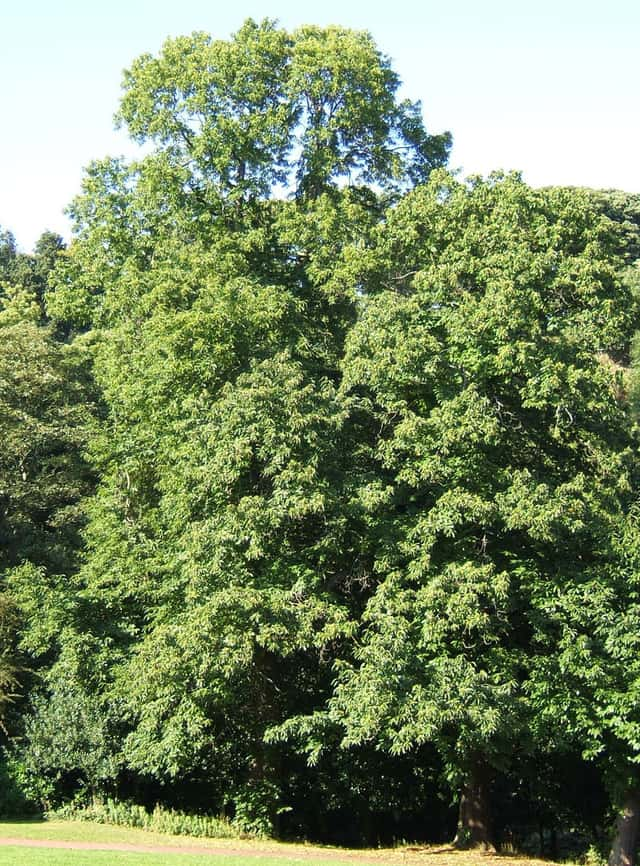
Sweet Chestnut (Castanea sativa) is a medium-care plant from the Fagaceae family. The Sweet Chestnut (Castanea sativa) is a large deciduous tree native to southern Europe and Asia Minor. Cultivated since antiquity for its edible nuts and durable timber, it is one of Europe's most iconic trees. It can live for centuries and grow to impressive heights, making it a majestic feature...
Sweet Chestnut grows up to 29.0m, spread of 1500cm, watering every 14 days, -15°C – 30°C, 40–70% humidity. It is not suitable for indoor environments and safe for pets.
Unlike many popular species, Sweet Chestnut is safe to keep around pets.
How to Care for Sweet Chestnut?
TLDR: Sweet Chestnut needs Direct sun, watering every 14 days, and temperatures between -15-30°C with 40-70% humidity.
How Often Should You Water Sweet Chestnut?
Water every 1-2 weeks during active growth. Avoid waterlogging, as excess moisture promotes root rot. During prolonged dry spells increase frequency. Established trees are drought tolerant.
How Much Light Does Sweet Chestnut Need?
Sweet Chestnut requires full sun — at least 6 hours of direct sunlight per day. A well-exposed site is essential for good fruit production and robust growth.
What Is the Best Soil for Sweet Chestnut?
Prefer slightly acidic, loose, well-drained soils (pH 4.5-6.5). Avoid heavy clay and waterlogged conditions. Chalky or alkaline soils are not suitable.
What Pot Should You Use for Sweet Chestnut?
Large terracotta pot or open ground — the sweet chestnut is a large tree requiring ample space. Not suitable for long-term container growing.
Care Schedule
Fertilize
Every 90 days
What Is Sweet Chestnut and Where Does It Come From?
The Sweet Chestnut (Castanea sativa) is a large deciduous tree native to southern Europe and Asia Minor. Cultivated since antiquity for its edible nuts and durable timber, it is one of Europe's most iconic trees. It can live for centuries and grow to impressive heights, making it a majestic feature in rural landscapes and large parks.
How to Propagate Sweet Chestnut?
Seed Sowing
Use fresh, in-season chestnuts — viability decreases quickly. Protect seeds from rodents. Germination is faster in warm soil.
- 1 Harvest ripe chestnuts in autumn and store in a cool, moist place until spring.
- 2 Sow chestnuts 5-8 cm deep in acidic, well-drained soil.
- 3 Water regularly and keep the soil slightly moist.
- 4 Transplant seedlings to their permanent location after the first year.
Materials needed:
Grafting
Grafting is used to propagate specific fruiting varieties. Use sterile tools and work quickly to prevent desiccation.
- 1 Select a healthy, compatible rootstock.
- 2 Prepare a scion with 2-3 buds from the desired variety.
- 3 Perform cleft or bud grafting in spring.
- 4 Protect with grafting tape and wound sealant.
Materials needed:
How Big Does Sweet Chestnut Grow?
TLDR: Sweet Chestnut can reach up to 29.0m tall with Medium growth rate.
Max height
29.0m
Spread
15.0m
Growth rate
Medium
Foliage
Deciduous
Plant Uses
Ornamental
Great for decoration
Edible
Can be consumed
Medicinal Uses
- Bark extract used in traditional medicine as an astringent and anti-inflammatory agent
Culinary Uses
- Roasted chestnuts
- Chestnut flour for bread and pastries
- Chestnuts in soups and stews
- Marrons glacés
Is your plant showing symptoms?
Click on the symptom to discover possible causes:
What Diseases Commonly Affect Sweet Chestnut?
TLDR: Sweet Chestnut is susceptible to 5 known diseases. Monitor regularly for early detection.
Canker
Canker is a disease caused by various fungi and bacteria that create necrotic, sunken areas on bark of branches, stems, and trunks. Pathogens enter through wounds and natural openings, especially when plants are stressed. Canker can gradually weaken or kill branches by disrupting water and nutrient flow.
Phytophthora Root Rot
Disease caused by fungus-like organisms (oomycetes) that live in soil and can survive for years. It affects roots, stem, and crown of plants, being especially severe in waterlogged or poorly drained soils. It is the second most common cause of root rot in trees and shrubs.
Powdery Mildew
Powdery mildew is a common fungal disease caused by various fungi species including Erysiphe, Podosphaera, Oïdium, and Leveillula. It affects over 10,000 plant species worldwide. The disease thrives in warm, dry climates with high humidity and appears as a distinctive white powdery coating on plant surfaces.
Leaf Spot
Leaf spot is a common fungal disease caused by various pathogens including Alternaria, Ascochyta, Colletotrichum, Septoria, and Venturia. It primarily affects leaves, causing discolored spots that can lead to premature leaf drop if left untreated.
Meaning & Symbolism
In European culture the sweet chestnut symbolizes abundance, strength, and longevity. The nut was a staple food for rural communities for centuries, representing generosity and sustenance.
Fun Facts
Sweet Chestnut can live over 1,000 years — ancient specimens exist in Sicily and the Canary Islands.
The chestnut was the bread of the poor in medieval Europe, sustaining mountain communities through harsh winters.
Chestnut wood is naturally rot-resistant and was widely used in shipbuilding and barrel making.
A single mature tree can produce over 50 kg of nuts in one season.
Frequently asked questions
How often should I water Sweet Chestnut?
Is Sweet Chestnut toxic to pets?
What diseases affect Sweet Chestnut?
When does Sweet Chestnut flower?
Can Sweet Chestnut grow in a pot?
Compare with similar plants
| Attribute | Difficulty | Light | Watering | Pet Safe |
|---|---|---|---|---|
| Dark Fieldcap | Medium | Low light | 2d | ⚠️ |
| Azalea | Medium | Partial shade | 3d | ⚠️ |
| Muriel's Bamboo | Medium | Partial shade | 3d | ✓ |
| Bougainvillea | Medium | Direct sun | 7d | ⚠️ |




