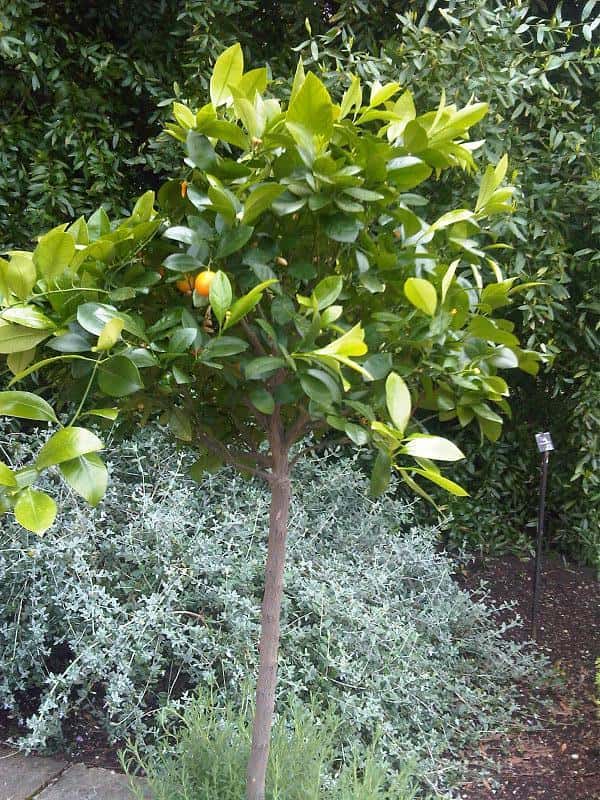
Rutaceae
Sweet Orange: Aromatic Plant
Citrus x sinensis
Needs full sun, well-draining soil, and regular watering without waterlogging. Frost-sensitive; thrives in subtropical and tropical climates.
Every 7 days
Direct sun
° - °C
% - %
Categories
What is Sweet Orange?
Sweet Orange (Citrus x sinensis) is a medium-care plant from the Rutaceae family. The sweet orange (Citrus x sinensis) is an evergreen fruit tree in the Rutaceae family, cultivated worldwide for its sweet, vitamin C-rich fruit. It features glossy, aromatic dark green leaves and fragrant white blossoms that appear in spring and winter.
Sweet Orange grows up to 9.0m, spread of 460cm, watering every 7 days. It is suitable for indoor environments and not safe for pets.
Without precautions, ingestion can cause irritation in pets. Keep out of reach of cats and dogs. Without adequate drainage, root rot can develop within 14 days.
How to Care for Sweet Orange?
TLDR: Sweet Orange needs Direct sun, watering every 7 days, and temperatures between 15-30°C with 40-70% humidity.
How Often Should You Water Sweet Orange?
Water deeply when the top couple inches of soil are dry, roughly every 7 days; avoid overwatering to prevent root rot.
How Much Light Does Sweet Orange Need?
Requires full sun with at least 6-8 hours of direct light daily for healthy flowering and fruiting.
What Is the Best Soil for Sweet Orange?
Prefers loamy or sandy, nutrient-rich soil with good drainage and a slightly acidic to neutral pH (6.0-7.0).
What Pot Should You Use for Sweet Orange?
Terracotta pot with drainage holes, sized proportionally to the root ball, to allow good aeration.
Care Schedule
Fertilize
Every 42 days
Misting
Every 3 days
Rotate
Every 7 days
Repot
Every 365 days
What Is Sweet Orange and Where Does It Come From?
The sweet orange (Citrus x sinensis) is an evergreen fruit tree in the Rutaceae family, cultivated worldwide for its sweet, vitamin C-rich fruit. It features glossy, aromatic dark green leaves and fragrant white blossoms that appear in spring and winter.
How to Propagate Sweet Orange?
How Big Does Sweet Orange Grow?
TLDR: Sweet Orange can reach up to 9.0m tall with Medium growth rate.
Max height
9.0m
Spread
4.6m
Growth rate
Medium
Foliage
Evergreen
Warning: Toxic Plant
This plant can be toxic if ingested. Keep out of reach of:
Plant Uses
Edible
Can be consumed
Ornamental
Great for decoration
Aromatic
Pleasant fragrance
Medicinal Uses
- Traditional use of peel and blossoms in teas for anxiety and digestion
Culinary Uses
- Eaten fresh
- Juice
- Marmalades and preserves
- Zest used in sweet and savory recipes
Is your plant showing symptoms?
Click on the symptom to discover possible causes:
What Diseases Commonly Affect Sweet Orange?
TLDR: Sweet Orange is susceptible to 6 known diseases. Monitor regularly for early detection.
Root Rot
Root rot is a serious fungal disease that affects the root system of plants, causing them to decay and die. It is primarily caused by overwatering, poor drainage, or soil-borne fungi such as Pythium, Phytophthora, Rhizoctonia, and Fusarium. The disease thrives in waterlogged conditions where roots are deprived of oxygen, making them susceptible to fungal infection.
Anthracnose
Anthracnose is a fungal disease caused by fungi in the genus Colletotrichum that affects many plants, including vegetables, fruits, and trees. The disease thrives in cool, wet conditions, causing dark, sunken lesions on leaves, stems, flowers, and fruits.
Sooty Mold
Sooty mold is a fungal disease that develops on surfaces coated with honeydew, a sticky sweet substance secreted by sap-sucking insects like aphids, scale insects, and whiteflies. While it does not directly infect plant tissue, it reduces photosynthetic capacity by blocking sunlight and diminishes the plant's aesthetic appearance.
Scale Insects
Scale insects are small sap-sucking pests that appear as brown, shell-like bumps on plant stems and leaves. There are over 25 species, divided into armored (hard) and unarmored (soft) scales. They feed by piercing plant tissue and extracting sap, which weakens the plant and can lead to yellowing, stunted growth, and even death if left untreated. They also excrete honeydew, which attracts ants and promotes sooty mold growth.
Meaning & Symbolism
Orange blossoms symbolize purity, innocence, and eternal love, and have long been used in bridal bouquets and wedding ceremonies.
Compare with similar plants
| Attribute | Difficulty | Light | Watering | Pet Safe |
|---|---|---|---|---|
| Dark Fieldcap | Medium | Low light | 2d | ⚠️ |
| Azalea | Medium | Partial shade | 3d | ⚠️ |
| Muriel's Bamboo | Medium | Partial shade | 3d | ✓ |
| Bougainvillea | Medium | Direct sun | 7d | ⚠️ |




