Marantaceae
Bent Alligator-flag: Ground Cover Plant
Thalia geniculata
This plant requires constantly waterlogged soil or direct cultivation in shallow water, preferring full sun to bloom.
Every 2 days
Bright indirect
15° - 35°C
60% - 95%
Categories
What is Bent Alligator-flag?
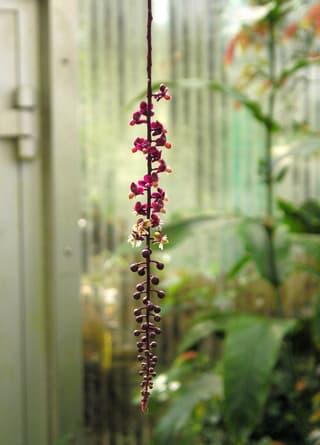
Bent Alligator-flag (Thalia geniculata) is a medium-care plant from the Marantaceae family. Thalia geniculata, commonly known as Bent Alligator-flag, is a majestic perennial aquatic plant. Its large, light green oval leaves resemble those of the Maranta but grow on long, erect stems that can reach impressive heights. Its most striking feature is the zigzag inflorescence, which supports del...
Bent Alligator-flag grows up to 3.5m, with spread of 200cm, watering every 2 days, 15°C – 35°C, 60–95% humidity. It is suitable for indoor environments and safe for pets.
Unlike many popular species, Bent Alligator-flag is safe to keep around pets. Without adequate drainage, root rot can develop within 7 days.
How to Care for Bent Alligator-flag?
TLDR: Bent Alligator-flag needs Bright indirect, watering every 2 days, and temperatures between 15-35°C with 60-95% humidity.
How Often Should You Water Bent Alligator-flag?
Never let the soil dry out. If potted, always maintain a water level of 2 to 4 inches (5 to 10 cm) above the soil surface.
How Much Light Does Bent Alligator-flag Need?
For vigorous growth and abundant flowering, place the plant where it receives at least 6 hours of direct sunlight per day.
What Is the Best Soil for Bent Alligator-flag?
Use a mixture of heavy topsoil and worm castings. Avoid very light substrates that float in water.
What Pot Should You Use for Bent Alligator-flag?
Large, heavy pots without drainage holes (if grown outside of ponds) to keep the water standing.
Care Schedule
Fertilize
Every 30 days
Misting
Every 2 days
Rotate
Every 14 days
Repot
Every 365 days
What Is Bent Alligator-flag and Where Does It Come From?
Thalia geniculata, commonly known as Bent Alligator-flag, is a majestic perennial aquatic plant. Its large, light green oval leaves resemble those of the Maranta but grow on long, erect stems that can reach impressive heights. Its most striking feature is the zigzag inflorescence, which supports delicate small purple flowers, attracting pollinators such as butterflies and hummingbirds.
How to Propagate Bent Alligator-flag?
Rhizome Division
- Use a sterilized knife to prevent fungal infections
- Keep new divisions in a bright spot, but protected from harsh midday sun until established
- 1 Clump Removal
Carefully remove the plant from the pot or pond silt to avoid damaging the roots.
- 2 Rhizome Division
Cut the horizontal rhizome into sections, ensuring each part has at least one bud (eye) and healthy roots.
- 3 Replanting
Plant the divisions immediately in rich soil and keep them submerged or very wet.
Materials needed:
How Big Does Bent Alligator-flag Grow?
TLDR: Bent Alligator-flag can reach up to 3.5m tall with Fast growth rate.
Max height
3.5m
Spread
2.0m
Growth rate
Fast
Foliage
Evergreen
Plant Uses
Ornamental
Great for decoration
Ground Cover
Soil coverage
Culinary Uses
- Rhizomes are occasionally used for starch extraction in traditional cultures
Is your plant showing symptoms?
Click on the symptom to discover possible causes:
Meaning & Symbolism
Represents adaptation and water purification.
Compare with similar plants
| Attribute | Difficulty | Light | Watering | Pet Safe |
|---|---|---|---|---|
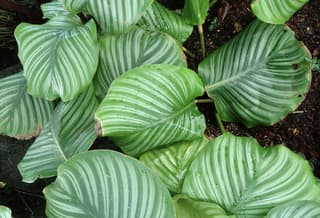
| Round-leaf Calathea | Hard | Partial shade | 7d | ✓ |
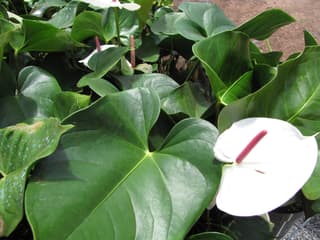
| Flamingo Flower | Medium | Partial shade | 5d | ⚠️ |
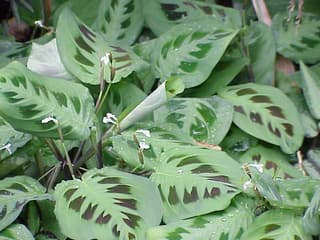
| Prayer Plant | Medium | Partial shade | 3d | ✓ |
| Peacock Plant | Hard | Partial shade | 4d | ✓ |