Rubiaceae
Rough Velvetseed (Guettarda scabra): Complete Care Guide
Guettarda scabra
An easy-care coastal native. Thrives in full sun to partial shade with moderate, well-drained watering. Ideal for tropical and coastal landscapes. Minimal pruning or repotting required once established.
Every 7 days
Bright indirect
10° - 35°C
50% - 80%
Categories
What is Rough Velvetseed?
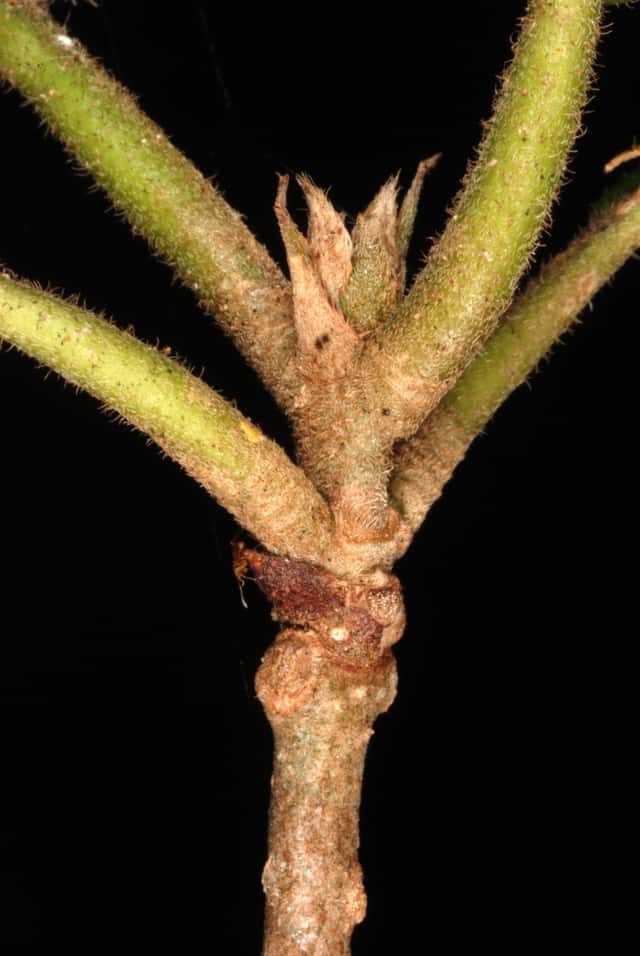
Rough Velvetseed (Guettarda scabra) is a easy-care plant from the Rubiaceae family. Rough Velvetseed (Guettarda scabra) is an evergreen shrub or small tree in the Rubiaceae family, native to the Caribbean and Florida Keys. It features distinctively rough, velvety-textured leaves and small white, intensely fragrant flowers that bloom at night, attracting moth pollinators. Plants can...
Rough Velvetseed grows up to 10.0m, spread of 500cm, watering every 7 days, 10°C – 35°C, 50–80% humidity. It is not suitable for indoor environments and safe for pets.
Unlike many tropical plants, Rough Velvetseed tolerates watering mistakes. Best for beginners. Unlike many popular species, Rough Velvetseed is safe to keep around pets.
How to Care for Rough Velvetseed?
TLDR: Rough Velvetseed needs Bright indirect, watering every 7 days, and temperatures between 10-35°C with 50-80% humidity.
How Often Should You Water Rough Velvetseed?
Water every 7 days, allowing the soil to partially dry between waterings. Once established, tolerates brief drought periods. Avoid waterlogging — ensure the soil drains well.
How Much Light Does Rough Velvetseed Need?
Prefers full sun to partial shade. In coastal environments, handles direct sun exposure well. In hotter inland climates, afternoon partial shade can be beneficial.
What Is the Best Soil for Rough Velvetseed?
Thrives in limestone, sandy, or well-draining soils typical of coastal environments. Avoid clay or poorly-drained soils. Ideal pH between 6.0 and 7.5.
What Pot Should You Use for Rough Velvetseed?
Terracotta or ceramic pot with good drainage. In gardens, plant directly in coastal limestone or sandy soil.
Care Schedule
Fertilize
Every 90 days
What Is Rough Velvetseed and Where Does It Come From?
Rough Velvetseed (Guettarda scabra) is an evergreen shrub or small tree in the Rubiaceae family, native to the Caribbean and Florida Keys. It features distinctively rough, velvety-textured leaves and small white, intensely fragrant flowers that bloom at night, attracting moth pollinators. Plants can reach 3 to 10 meters tall with an open, spreading crown. Highly tolerant of coastal conditions including salt spray, limestone soils, and strong winds.
How to Propagate Rough Velvetseed?
Stem Cutting
Use sterilized tools. Maintain moderate moisture — overwatering will rot the cutting.
- 1 Cut a healthy semi-hardwood stem 15-20 cm long
- 2 Remove lower leaves, keeping 2-3 at the top
- 3 Dip the base in rooting hormone powder
- 4 Plant in a well-draining, lightly moist substrate
- 5 Keep in partial shade and water lightly until rooted
Materials needed:
Seed Propagation
Germination can be irregular. Pre-soaking seeds for 24 hours improves germination rates.
- 1 Collect ripe seeds from fruits
- 2 Sow in moist, well-draining substrate
- 3 Keep in a warm location with indirect light
- 4 Transplant when seedling reaches 10-15 cm
Materials needed:
How Big Does Rough Velvetseed Grow?
TLDR: Rough Velvetseed can reach up to 10.0m tall with Medium growth rate.
Max height
10.0m
Spread
5.0m
Growth rate
Medium
Foliage
Evergreen
Plant Uses
Ornamental
Great for decoration
Is your plant showing symptoms?
Click on the symptom to discover possible causes:
What Diseases Commonly Affect Rough Velvetseed?
TLDR: Rough Velvetseed is susceptible to 8 known diseases. Monitor regularly for early detection.
Root Rot
Root rot is a serious fungal disease that affects the root system of plants, causing them to decay and die. It is primarily caused by overwatering, poor drainage, or soil-borne fungi such as Pythium, Phytophthora, Rhizoctonia, and Fusarium. The disease thrives in waterlogged conditions where roots are deprived of oxygen, making them susceptible to fungal infection.
Scale Insects
Scale insects are small sap-sucking pests that appear as brown, shell-like bumps on plant stems and leaves. There are over 25 species, divided into armored (hard) and unarmored (soft) scales. They feed by piercing plant tissue and extracting sap, which weakens the plant and can lead to yellowing, stunted growth, and even death if left untreated. They also excrete honeydew, which attracts ants and promotes sooty mold growth.
Sooty Mold
Sooty mold is a fungal disease that develops on surfaces coated with honeydew, a sticky sweet substance secreted by sap-sucking insects like aphids, scale insects, and whiteflies. While it does not directly infect plant tissue, it reduces photosynthetic capacity by blocking sunlight and diminishes the plant's aesthetic appearance.
Caterpillars
Caterpillars are the larval stage of moths and butterflies that feed voraciously on plant foliage, stems, flowers, and fruits. Common species include cabbage loopers, tomato hornworms, armyworms, and cutworms. These pests can cause extensive damage by consuming large amounts of plant tissue in a short time. They vary in size from small (1/4 inch) to large (5 inches), with colors ranging from green to brown, often featuring stripes or spots. Caterpillars are highly mobile and can quickly spread throughout gardens, making them one of the most destructive common pests.
Meaning & Symbolism
Coastal resilience and nocturnal beauty — symbolizes quiet adaptation and fragrance in tropical nights.
Fun Facts
The flowers release intense fragrance only at night to attract moth pollinators
Native to the Florida Keys and Caribbean, it thrives in limestone soils and salt winds
Its wood is light yet hard, used locally for living fences and fuelwood
The genus Guettarda honors French physician and botanist Jean-Étienne Guettard
Frequently asked questions
How often should I water Rough Velvetseed?
Is Rough Velvetseed toxic to pets?
Can it grow in a container?
When does it flower?
Does it need pruning?
Compare with similar plants
| Attribute | Difficulty | Light | Watering | Pet Safe |
|---|---|---|---|---|
| Small Scabious | Easy | Direct sun | 7d | ✓ |
| Field Maple | Easy | Bright indirect | 14d | ✓ |
| Silver Birch | Easy | Direct sun | 14d | ✓ |
| Red valerian | Easy | Direct sun | 10d | ✓ |


