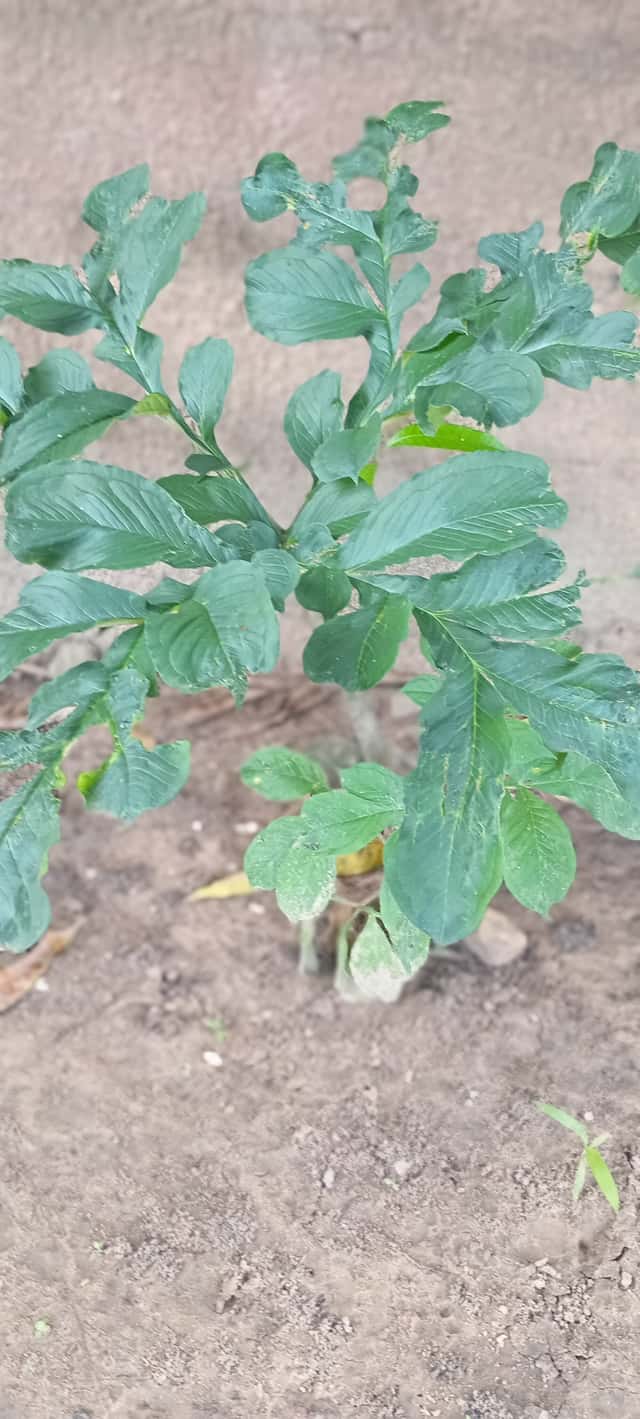
Araceae
Voodoo Lily — Amorphophallus
Amorphophallus
Fast-growing during the active season (spring/summer), followed by complete dormancy in autumn/winter. Requires well-draining, organically rich soil, regular watering during growth, and complete cessation of watering during dormancy.
Every 7 days
Partial shade
16° - 30°C
60% - 80%
Categories
What is Voodoo Lily?
Voodoo Lily (Amorphophallus) is a medium-care plant from the Araceae family. Amorphophallus is a captivating genus of approximately 200 tropical and subtropical tuberous herbaceous plants in the family Araceae, native to Asia, Africa, and Australasia. They are renowned for their spectacular inflorescences — some of the largest in the plant kingdom — which emit powerful odors...
Voodoo Lily grows up to 3.0m, spread of 130cm, watering every 7 days, 16°C – 30°C, 60–80% humidity. It is suitable for indoor environments and not safe for pets.
Without precautions, ingestion can cause irritation in pets. Keep out of reach of cats and dogs. Without adequate drainage, root rot can develop within 14 days.
How to Care for Voodoo Lily?
TLDR: Voodoo Lily needs Partial shade, watering every 7 days, and temperatures between 16-30°C with 60-80% humidity.
How Often Should You Water Voodoo Lily?
Water when the top 2–3 cm of substrate has dried during the active growing period. Reduce significantly as dormancy approaches and stop entirely when foliage collapses. Never let the corm sit in waterlogged soil — tuber rot is the primary killer.
How Much Light Does Voodoo Lily Need?
Prefers bright indirect to dappled light. North- or east-facing windows are ideal indoors. Shield from intense afternoon sun, especially as new growth emerges in spring.
What Is the Best Soil for Voodoo Lily?
Use a rich, well-draining mix: compost (40%), perlite (30%), peat or coir (20%), coarse sand (10%). Maintain pH between 5.5 and 7.0. Good drainage is non-negotiable to prevent corm rot.
What Pot Should You Use for Voodoo Lily?
Terracotta or plastic pot with generous drainage holes. Pot diameter should be at least twice the width of the corm. Repot every 2 years or when the corm fills the container.
Care Schedule
Fertilize
Every 30 days
Misting
Every 4 days
Repot
Every 730 days
What Is Voodoo Lily and Where Does It Come From?
Amorphophallus is a captivating genus of approximately 200 tropical and subtropical tuberous herbaceous plants in the family Araceae, native to Asia, Africa, and Australasia. They are renowned for their spectacular inflorescences — some of the largest in the plant kingdom — which emit powerful odors to attract pollinators. A. konjac is cultivated for its glucomannan-rich corms used in Asian cuisine. A. titanum, the "corpse flower," produces the world's largest unbranched inflorescence.
How Big Does Voodoo Lily Grow?
TLDR: Voodoo Lily can reach up to 3.0m tall with Fast growth rate.
Max height
3.0m
Spread
1.3m
Growth rate
Fast
Foliage
Deciduous
Warning: Toxic Plant
This plant can be toxic if ingested. Keep out of reach of:
Plant Uses
Ornamental
Great for decoration
Edible
Can be consumed
Medicinal
Medicinal properties
Medicinal Uses
- Traditional use of A. konjac corm in Asian medicine for digestive health
- Glucomannan extract used in weight management supplements
- Used in traditional Chinese medicine for detoxification and anti-inflammatory purposes
Culinary Uses
- Konjac flour for shirataki noodles and konnyaku jelly
- Konjac jelly used in Japanese, Korean, and Chinese cuisines
- Vegan seafood substitutes
- Thickening agent in desserts and savory dishes
Is your plant showing symptoms?
Click on the symptom to discover possible causes:
What Diseases Commonly Affect Voodoo Lily?
TLDR: Voodoo Lily is susceptible to 12 known diseases. Monitor regularly for early detection.
Root Rot
Root rot is a serious fungal disease that affects the root system of plants, causing them to decay and die. It is primarily caused by overwatering, poor drainage, or soil-borne fungi such as Pythium, Phytophthora, Rhizoctonia, and Fusarium. The disease thrives in waterlogged conditions where roots are deprived of oxygen, making them susceptible to fungal infection.
Bacterial Soft Rot
Bacterial soft rot is a destructive plant disease caused primarily by bacteria from the genera Pectobacterium (formerly Erwinia) and Dickeya. These bacteria produce enzymes that break down plant cell walls, causing rapid and foul-smelling tissue decomposition. It mainly affects succulent tissues such as tubers, fruits, stems, and bulbs, being especially problematic in warm and humid conditions.
Pythium Root Rot
Pythium root rot is a serious fungal disease caused by various Pythium species including P. aphanidermatum, P. ultimum, and P. irregulare. These water molds are present in practically all cultivated soils and attack plant roots under wet conditions, causing rapid wet rot that can extend into the stem. The disease is favored by poor drainage, overwatering, and specific temperatures depending on the species.
Phytophthora Root Rot
Disease caused by fungus-like organisms (oomycetes) that live in soil and can survive for years. It affects roots, stem, and crown of plants, being especially severe in waterlogged or poorly drained soils. It is the second most common cause of root rot in trees and shrubs.
Meaning & Symbolism
Symbol of mystery and transformation; in Asian cultures the konjac corm represents longevity and purification. The towering inflorescence of A. titanum evokes the rare and extraordinary in the natural world.
Fun Facts
A. titanum produces the world's largest unbranched inflorescence, reaching up to 3 meters tall
The rotting-flesh odor during bloom is produced by sulfur compounds that mimic decaying meat to attract beetle and fly pollinators
Konjac flour has been used in Japan for over 1,500 years
A mature A. konjac corm can weigh over 3 kg
Despite the name 'corpse flower,' A. titanum only blooms for 24–48 hours in its lifetime
Frequently asked questions
Is Voodoo Lily toxic to pets?
Why did my plant lose all its leaves?
How often should I water during dormancy?
Compare with similar plants
| Attribute | Difficulty | Light | Watering | Pet Safe |
|---|---|---|---|---|
| Dark Fieldcap | Medium | Low light | 2d | ⚠️ |
| Azalea | Medium | Partial shade | 3d | ⚠️ |
| Muriel's Bamboo | Medium | Partial shade | 3d | ✓ |
| Bougainvillea | Medium | Direct sun | 7d | ⚠️ |




