Poaceae
Water Foxtail (Alopecurus geniculatus)
Alopecurus geniculatus
Plant in consistently moist to waterlogged soil in full sun to partial shade. This aquatic grass requires frequent watering and will not tolerate drought. Cut back in early spring to encourage fresh growth. Grows rapidly under ideal wet conditions.
Every 2 days
Bright indirect
-15° - 25°C
60% - 90%
Categories
What is Water Foxtail?
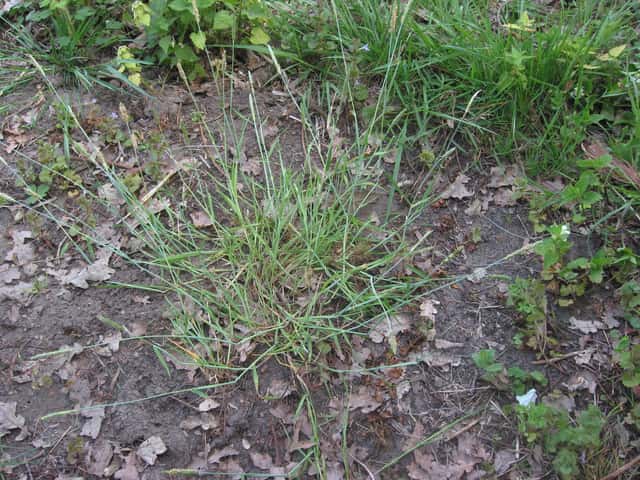
Water Foxtail (Alopecurus geniculatus) is a easy-care plant from the Poaceae family. Alopecurus geniculatus, commonly known as water foxtail or marsh foxtail, is a perennial grass native to Eurasia. It forms compact tufts with erect or geniculate stems reaching up to 60 cm tall, thriving in waterlogged soils, pond margins, ditches, and seasonally flooded meadows. Its dense, cylindri...
Water Foxtail grows up to 60cm, spread of 60cm, watering every 2 days, -15°C – 25°C, 60–90% humidity. It is not suitable for indoor environments and safe for pets.
Unlike many tropical plants, Water Foxtail tolerates watering mistakes. Best for beginners. Unlike many popular species, Water Foxtail is safe to keep around pets.
How to Care for Water Foxtail?
TLDR: Water Foxtail needs Bright indirect, watering every 2 days, and temperatures between -15-25°C with 60-90% humidity.
How Often Should You Water Water Foxtail?
Keep soil permanently moist or saturated. Water foxtail thrives with consistent moisture and can tolerate standing water. Water every 1-2 days during warm periods, or grow at pond margins for natural irrigation.
How Much Light Does Water Foxtail Need?
Prefers full sun but tolerates partial shade. In deep shade, growth is reduced and flowering less prolific.
What Is the Best Soil for Water Foxtail?
Thrives in clay, loam, or silty soils with neutral to slightly acidic pH (5.5-7.5). Tolerates waterlogged and boggy conditions.
What Pot Should You Use for Water Foxtail?
Aquatic container or undraining clay pot to maintain high moisture
What Is Water Foxtail and Where Does It Come From?
Alopecurus geniculatus, commonly known as water foxtail or marsh foxtail, is a perennial grass native to Eurasia. It forms compact tufts with erect or geniculate stems reaching up to 60 cm tall, thriving in waterlogged soils, pond margins, ditches, and seasonally flooded meadows. Its dense, cylindrical flower spikes adorned with pale yellow-orange anthers make it a subtle ornamental accent in water gardens.
How Big Does Water Foxtail Grow?
TLDR: Water Foxtail can reach up to 60cm tall with Fast growth rate.
Max height
60cm
Spread
60cm
Growth rate
Fast
Foliage
Deciduous
Plant Uses
Ornamental
Great for decoration
Ground Cover
Soil coverage
Is your plant showing symptoms?
Click on the symptom to discover possible causes:
What Diseases Commonly Affect Water Foxtail?
TLDR: Water Foxtail is susceptible to 3 known diseases. Monitor regularly for early detection.
Rust
Rust is a common fungal disease caused by fungi in the order Pucciniales that affects a wide variety of plants. The disease gets its name from the characteristic orange, yellow, or reddish-brown pustules that appear on leaves, resembling metal rust. This obligate fungal parasite requires living plants to survive and can cause significant economic losses in agricultural crops.
Aphids
Aphids are small, soft-bodied, pear-shaped insects (1/16 to 1/8 inch long) that feed by sucking nutrient-rich sap from plants. They reproduce rapidly and can quickly weaken plants, causing distorted growth and transmitting plant viruses. Aphids come in various colors including green, black, red, yellow, brown, and gray. They secrete honeydew, a sticky substance that attracts ants and encourages sooty mold growth.
Overwatering
Overwatering occurs when plants receive too much water, depriving roots of oxygen and causing root rot. This environmental stress is one of the most common causes of houseplant death, as waterlogged soil prevents roots from breathing and functioning properly.
Meaning & Symbolism
Symbolises resilience and adaptability, flourishing in waterlogged and marginal environments where few plants thrive.
Fun Facts
The species name "geniculatus" comes from the Latin for "knee-jointed", referring to the distinctive bent or elbowed stems at the base.
Water foxtail can reproduce both sexually by seeds and vegetatively by rooting at stem nodes when in contact with water.
It is an important component of purple moor grass and rush pasture habitats in the UK.
Frequently asked questions
Is water foxtail toxic to pets?
How do I propagate water foxtail?
Can it tolerate flooding?
Is water foxtail invasive?
Compare with similar plants
| Attribute | Difficulty | Light | Watering | Pet Safe |
|---|---|---|---|---|
| Field Maple | Easy | Bright indirect | 14d | ✓ |
| Muriel's Bamboo | Medium | Partial shade | 3d | ✓ |
| Silver Birch | Easy | Direct sun | 14d | ✓ |
| Common Blanketflower | Easy | Direct sun | 10d | ✓ |





