Apiaceae
Water Hemlock (Cicuta)
Cicuta
Not a plant to grow intentionally. Cicuta only persists where soil stays saturated or waterlogged for most of the year, such as pond margins, ditches and marshes. It needs no feeding, potting or pruning regime because it is never cultivated as a garden or indoor plant. Anyone encountering it in the wild should avoid all contact with the roots and sap, keep children and pets away, and never confuse it with edible wetland umbellifers.
Every 1 days
Bright indirect
10° - 30°C
60% - 95%
Categories
What is Water Hemlock?
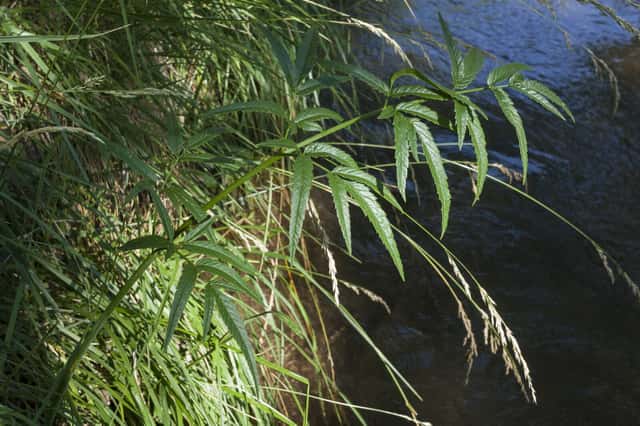
Water Hemlock (Cicuta) is a hard-care plant from the Apiaceae family. Cicuta is a small genus of about four herbaceous perennial (often behaving as biennial) species in the carrot family (Apiaceae), native to wet meadows, marshes, streambanks and ditches across temperate North America and Europe. Plants form stout, hollow, branching stems that reach up to 2.5 m tall,...
Water Hemlock grows up to 2.5m, spread of 90cm, watering every 1 days, 10°C – 30°C, 60–95% humidity. It is not suitable for indoor environments and not safe for pets.
Unlike easy-care plants, Water Hemlock demands constant attention to humidity and light. Not recommended for beginners. Without precautions, ingestion can cause irritation in pets. Keep out of reach of cats and dogs.
How to Care for Water Hemlock?
TLDR: Water Hemlock needs Bright indirect, watering every 1 days, and temperatures between 10-30°C with 60-95% humidity.
How Often Should You Water Water Hemlock?
In the wild, Cicuta grows in permanently saturated or standing water; it does not tolerate drying out. There is no cultivated watering schedule since this plant should not be intentionally grown.
How Much Light Does Water Hemlock Need?
Tolerates full sun to partial shade; thrives best in open, sunny wet meadows and sunny stream margins but can persist under light canopy shade.
What Is the Best Soil for Water Hemlock?
Prefers waterlogged, organically rich, mucky or loamy soils with acidic to neutral pH; standing water and poor drainage are ideal, unlike most garden plants.
What Is Water Hemlock and Where Does It Come From?
Cicuta is a small genus of about four herbaceous perennial (often behaving as biennial) species in the carrot family (Apiaceae), native to wet meadows, marshes, streambanks and ditches across temperate North America and Europe. Plants form stout, hollow, branching stems that reach up to 2.5 m tall, topped with umbrella-shaped clusters (umbels) of small white flowers in summer. The chambered, tuberous rootstock exudes a yellowish oily sap with a smell resembling raw parsnip when cut. Cicuta is widely regarded as one of the most acutely toxic plants native to North America and Europe: every part of the plant contains cicutoxin, a violent convulsant most concentrated in the roots in early spring. This genus is a wild wetland species, not a cultivated ornamental or houseplant, and is documented here strictly for identification and safety reference.
How to Propagate Water Hemlock?
Seed
This plant is extremely toxic; seed collection and handling is not recommended outside of controlled scientific or conservation contexts. Always wear gloves and avoid contact with sap.
- 1 Seeds ripen in late summer/fall on the umbel heads
- 2 Seeds generally require a period of cold, moist stratification over winter
- 3 Germination occurs the following spring in saturated soil
Materials needed:
Rootstock division
Root tubers are the most toxic part of the entire plant and can be fatal even in small quantities if ingested; this method is described for botanical reference only, not recommended for hobbyist propagation.
- 1 New chambered rootstocks form at the base of the parent plant in fall
- 2 Rootstocks detach naturally the following spring
- 3 Detached rootstocks can root and form new plants in saturated soil
Materials needed:
How Big Does Water Hemlock Grow?
TLDR: Water Hemlock can reach up to 2.5m tall with Medium growth rate.
Max height
2.5m
Spread
90cm
Growth rate
Medium
Foliage
Deciduous
Warning: Toxic Plant
This plant can be toxic if ingested. Keep out of reach of:
Is your plant showing symptoms?
Click on the symptom to discover possible causes:
What Diseases Commonly Affect Water Hemlock?
TLDR: Water Hemlock is susceptible to 4 known diseases. Monitor regularly for early detection.
Aphids
Aphids are small, soft-bodied, pear-shaped insects (1/16 to 1/8 inch long) that feed by sucking nutrient-rich sap from plants. They reproduce rapidly and can quickly weaken plants, causing distorted growth and transmitting plant viruses. Aphids come in various colors including green, black, red, yellow, brown, and gray. They secrete honeydew, a sticky substance that attracts ants and encourages sooty mold growth.
Leaf Spot
Leaf spot is a common fungal disease caused by various pathogens including Alternaria, Ascochyta, Colletotrichum, Septoria, and Venturia. It primarily affects leaves, causing discolored spots that can lead to premature leaf drop if left untreated.
Powdery Mildew
Powdery mildew is a common fungal disease caused by various fungi species including Erysiphe, Podosphaera, Oïdium, and Leveillula. It affects over 10,000 plant species worldwide. The disease thrives in warm, dry climates with high humidity and appears as a distinctive white powdery coating on plant surfaces.
Leafminers
Leafminers are the larvae of various insects including flies, moths, sawflies, and beetles that tunnel between leaf surfaces, creating distinctive serpentine trails or blotchy patches. While primarily cosmetic, severe infestations can weaken plants by reducing photosynthesis capacity and making them susceptible to secondary infections.
Fun Facts
A 2-3 cm piece of Cicuta root can be fatal to an adult human.
The genus name comes from the Latin 'cicuta', historically used for hemlock-type poisonous umbellifers.
Despite its severe toxicity, water hemlock flowers still attract bees, wasps, and butterflies, and its foliage hosts Black Swallowtail caterpillars.
Cicutoxin blocks GABA receptors in the nervous system, the opposite mechanism of many sedative drugs.
Frequently asked questions
Is Cicuta (water hemlock) safe to touch?
Why is water hemlock considered so dangerous?
Can I grow Cicuta in my garden or as a houseplant?
How is Cicuta different from poison hemlock (Conium maculatum)?
What should I do if someone may have ingested Cicuta?
Compare with similar plants
| Attribute | Difficulty | Light | Watering | Pet Safe |
|---|---|---|---|---|
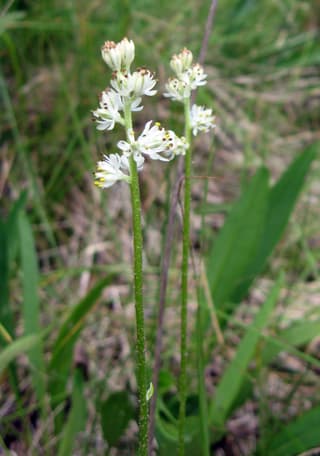
| Sticky false asphodel | Hard | Bright indirect | 1d | ✓ |
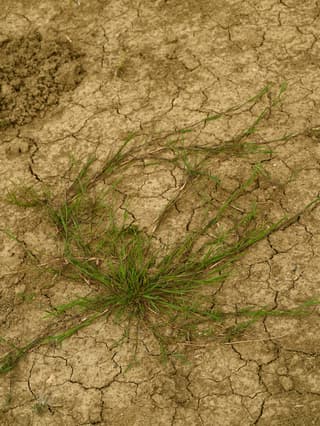
| Creeping bentgrass | Hard | Direct sun | 3d | ✓ |
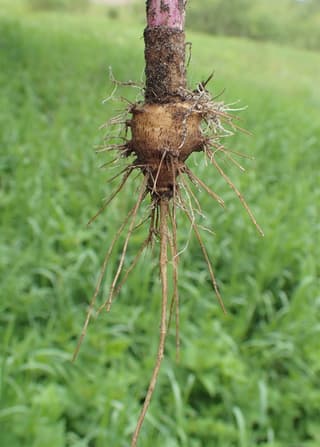
| Bulbous Chervil | Medium | Partial shade | 3d | ⚠️ |
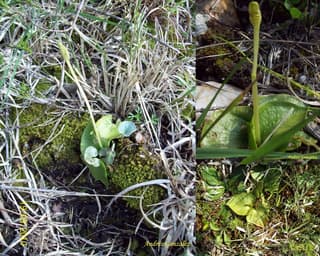
| Bulbous Adder's-tongue | Hard | Partial shade | 4d | ✓ |