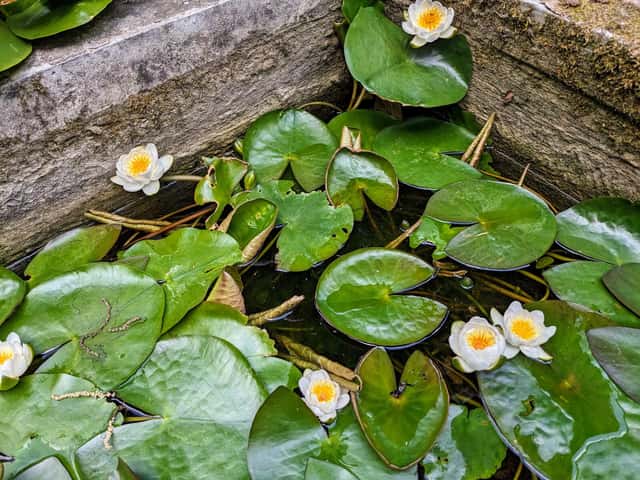
Nymphaeaceae
White Water Lily: Full Sun Plant
Nymphaea candida
Grow Nymphaea candida rooted in a submerged aquatic planting basket filled with heavy loam, set 10-30 cm below the water surface in full sun. Because the plant lives permanently in pond water rather than potting mix, there is no periodic watering schedule like a houseplant - the water_frequency_days value of 1 here is a placeholder reflecting constant water contact, not a literal daily watering task. Feed monthly during the growing season with aquatic plant fertilizer tablets pushed into the basket, and divide overcrowded rhizomes every 2-3 years.
Every 1 days
Direct sun
° - °C
% - %
Categories
What is White Water Lily?
White Water Lily (Nymphaea candida) is a medium-care plant from the Nymphaeaceae family. Nymphaea candida is a hardy perennial aquatic plant native to the still ponds and quiet freshwater habitats of temperate Eurasia. Its floating leaves and pristine white, yellow-centered flowers open each morning across the water surface from spring through summer, making it a classic addition to gar...
White Water Lily grows up to spread of 60cm, watering every 1 days. It is not suitable for indoor environments and safe for pets.
Unlike many popular species, White Water Lily is safe to keep around pets.
How to Care for White Water Lily?
TLDR: White Water Lily needs Direct sun, watering every 1 days, and temperatures between 15-30°C with 40-70% humidity.
How Often Should You Water White Water Lily?
Keep the crown permanently submerged in still, undisturbed pond water 10-30 cm deep; never let the basket dry out, and avoid strong water currents or fountains splashing directly on the leaves.
How Much Light Does White Water Lily Need?
Provide at least 4-6 hours of direct, unobstructed sun daily; shade reduces flowering significantly.
What Is the Best Soil for White Water Lily?
Plant in a submerged basket of heavy garden loam or dedicated aquatic planting soil, slightly acidic to neutral (pH 6.1-7.0); avoid light potting mixes that float away.
What Pot Should You Use for White Water Lily?
Submerged aquatic planting basket (no drainage holes needed)
Care Schedule
Fertilize
Every 14 days
Misting
Every 3 days
Rotate
Every 7 days
Repot
Every 365 days
What Is White Water Lily and Where Does It Come From?
Nymphaea candida is a hardy perennial aquatic plant native to the still ponds and quiet freshwater habitats of temperate Eurasia. Its floating leaves and pristine white, yellow-centered flowers open each morning across the water surface from spring through summer, making it a classic addition to garden ponds.
How to Propagate White Water Lily?
Rhizome Division
Divide every 2-3 years when the crown becomes congested; use only sterilized tools to prevent spreading crown rot between divisions.
- 1 Lift the planting basket from the pond in early spring before new growth starts.
- 2 Rinse excess soil from the rhizome to expose growth points.
- 3 Cut the rhizome into sections, each with at least one healthy growth eye and some roots.
- 4 Discard old, woody, leafless sections of rhizome.
- 5 Repot each division into a fresh aquatic basket with heavy loam, growth tip facing up and just covered.
- 6 Top-dress with pea gravel to prevent soil clouding the water.
- 7 Lower the basket back into the pond at 10-30 cm depth in full sun.
Materials needed:
How Big Does White Water Lily Grow?
TLDR: White Water Lily can reach up to ?cm tall with Medium growth rate.
Spread
60cm
Growth rate
Medium
Foliage
Deciduous
Plant Uses
Ornamental
Great for decoration
Is your plant showing symptoms?
Click on the symptom to discover possible causes:
What Diseases Commonly Affect White Water Lily?
TLDR: White Water Lily is susceptible to 4 known diseases. Monitor regularly for early detection.
Crown Rot
Crown rot is a serious fungal disease that attacks the crown (base) of the plant where the stem meets the soil. It is caused by various fungal pathogens including Phytophthora, Fusarium, and Rhizoctonia. The disease thrives in waterlogged conditions and can quickly spread to kill the entire plant if not addressed promptly.
Root Rot
Root rot is a serious fungal disease that affects the root system of plants, causing them to decay and die. It is primarily caused by overwatering, poor drainage, or soil-borne fungi such as Pythium, Phytophthora, Rhizoctonia, and Fusarium. The disease thrives in waterlogged conditions where roots are deprived of oxygen, making them susceptible to fungal infection.
Leaf Spot
Leaf spot is a common fungal disease caused by various pathogens including Alternaria, Ascochyta, Colletotrichum, Septoria, and Venturia. It primarily affects leaves, causing discolored spots that can lead to premature leaf drop if left untreated.
Aphids
Aphids are small, soft-bodied, pear-shaped insects (1/16 to 1/8 inch long) that feed by sucking nutrient-rich sap from plants. They reproduce rapidly and can quickly weaken plants, causing distorted growth and transmitting plant viruses. Aphids come in various colors including green, black, red, yellow, brown, and gray. They secrete honeydew, a sticky substance that attracts ants and encourages sooty mold growth.
Meaning & Symbolism
A symbol of purity, tranquility, and rebirth across many cultures; its blooms opening fresh each morning over still water evoke renewal and quiet calm.
Compare with similar plants
| Attribute | Difficulty | Light | Watering | Pet Safe |
|---|---|---|---|---|
| Dark Fieldcap | Medium | Low light | 2d | ⚠️ |
| Azalea | Medium | Partial shade | 3d | ⚠️ |
| Muriel's Bamboo | Medium | Partial shade | 3d | ✓ |
| Bougainvillea | Medium | Direct sun | 7d | ⚠️ |