Pteridaceae
Carrot Fern: Best for Low Light
Onychium japonicum
Carrot fern wants what a forest floor offers: dappled to deep shade, steadily moist but well-drained soil, and shelter from harsh sun and frost. It is not drought tolerant, so let the topsoil dry only slightly between waterings rather than letting the whole pot dry out. It is a slow grower and not reliably frost-hardy, so in cooler climates it is best grown in a container that can be moved undercover for winter.
Every 7 days
Low light
10° - 24°C
50% - 70%
Categories
What is Carrot Fern?
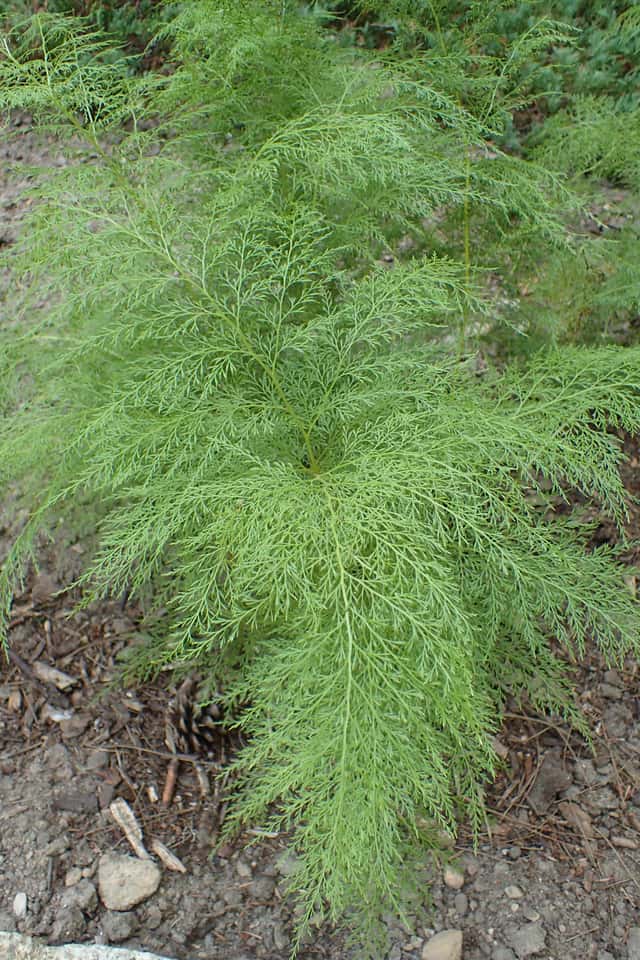
Carrot Fern (Onychium japonicum) is a medium-care plant from the Pteridaceae family. Onychium japonicum, the carrot fern, is a clump-forming, deciduous fern native to central and eastern China, Japan, the Himalayas, the Philippines and Vietnam, where it grows in humid forests, shaded banks and rocky slopes. Its wiry, glossy black stems carry arching, feathery fronds cut two to three...
Carrot Fern grows up to 45cm, spread of 45cm, watering every 7 days, 10°C – 24°C, 50–70% humidity. It is suitable for indoor environments and safe for pets.
Unlike many popular species, Carrot Fern is safe to keep around pets. Without adequate drainage, root rot can develop within 14 days.
How to Care for Carrot Fern?
TLDR: Carrot Fern needs Low light, watering every 7 days, and temperatures between 10-24°C with 50-70% humidity.
How Often Should You Water Carrot Fern?
Keep the soil evenly moist year-round, watering as soon as the top centimetre or two starts to feel dry -- roughly once a week indoors, more often in hot weather. Never let the pot sit dry, but always use a pot with drainage so the roots are not waterlogged.
How Much Light Does Carrot Fern Need?
Give it dappled sunlight to bright shade, such as light filtered through a tree canopy or a spot a few feet back from an east- or north-facing window. Direct, harsh sun will scorch the delicate fronds, while very deep shade slows growth further.
What Is the Best Soil for Carrot Fern?
Plant in a humus-rich, well-draining mix -- a standard potting mix amended with leaf mould, compost or peat-free organic matter works well. It tolerates loam or sandy soils and a wide pH range, so drainage and organic content matter more than exact soil type.
What Pot Should You Use for Carrot Fern?
Choose a pot with generous drainage holes; glazed ceramic or plastic retains moisture better than unglazed terracotta, which can dry out too quickly for this moisture-loving fern.
Care Schedule
Fertilize
Every 30 days
Misting
Every 3 days
Repot
Every 365 days
What Is Carrot Fern and Where Does It Come From?
Onychium japonicum, the carrot fern, is a clump-forming, deciduous fern native to central and eastern China, Japan, the Himalayas, the Philippines and Vietnam, where it grows in humid forests, shaded banks and rocky slopes. Its wiry, glossy black stems carry arching, feathery fronds cut two to three times into fine, thread-like segments that closely resemble carrot-top foliage -- the source of its common name. Slow to mature (often taking 5-10 years to reach full size), it forms neat mounds around 45 cm tall and wide and is prized in shade gardens and containers for its delicate, lacy texture.
How to Propagate Carrot Fern?
How Big Does Carrot Fern Grow?
TLDR: Carrot Fern can reach up to 45cm tall with Slow growth rate.
Max height
45cm
Spread
45cm
Growth rate
Slow
Foliage
Deciduous
Plant Uses
Ornamental
Great for decoration
Is your plant showing symptoms?
Click on the symptom to discover possible causes:
What Diseases Commonly Affect Carrot Fern?
TLDR: Carrot Fern is susceptible to 6 known diseases. Monitor regularly for early detection.
Root Rot
Root rot is a serious fungal disease that affects the root system of plants, causing them to decay and die. It is primarily caused by overwatering, poor drainage, or soil-borne fungi such as Pythium, Phytophthora, Rhizoctonia, and Fusarium. The disease thrives in waterlogged conditions where roots are deprived of oxygen, making them susceptible to fungal infection.
Powdery Mildew
Powdery mildew is a common fungal disease caused by various fungi species including Erysiphe, Podosphaera, Oïdium, and Leveillula. It affects over 10,000 plant species worldwide. The disease thrives in warm, dry climates with high humidity and appears as a distinctive white powdery coating on plant surfaces.
Spider Mites
Spider mites are tiny arachnids (less than 1/20 inch long) related to spiders and ticks that feed on plant sap. They thrive in hot, dry conditions and can cause significant damage to ornamental and vegetable plants. During severe infestations, crop losses can reach 14% or higher as these pests disrupt vital plant processes including photosynthesis, carbon dioxide absorption, and transpiration.
Aphids
Aphids are small, soft-bodied, pear-shaped insects (1/16 to 1/8 inch long) that feed by sucking nutrient-rich sap from plants. They reproduce rapidly and can quickly weaken plants, causing distorted growth and transmitting plant viruses. Aphids come in various colors including green, black, red, yellow, brown, and gray. They secrete honeydew, a sticky substance that attracts ants and encourages sooty mold growth.
Meaning & Symbolism
Ferns are traditionally linked to new beginnings, humility and quiet resilience, and the carrot fern's delicate, uncurling fronds fit that reading well -- an unassuming plant that thrives patiently in the shaded understory.
Compare with similar plants
| Attribute | Difficulty | Light | Watering | Pet Safe |
|---|---|---|---|---|
| Dark Fieldcap | Medium | Low light | 2d | ⚠️ |
| Azalea | Medium | Partial shade | 3d | ⚠️ |
| Muriel's Bamboo | Medium | Partial shade | 3d | ✓ |
| Bougainvillea | Medium | Direct sun | 7d | ⚠️ |




