Orobanchaceae
Ivy Broomrape: Edible Plant
Orobanche hederae
Ivy broomrape is not suitable as a houseplant or for garden cultivation without a living ivy as a host plant. It requires a shaded location where ivy grows naturally. The plant is extremely challenging to grow and is best suited for naturalistic gardens where ivy is already established.
Every 2 days
Low light
5° - 25°C
% - %
Categories
What is Ivy Broomrape?
Ivy Broomrape (Orobanche hederae) is a hard-care plant from the Orobanchaceae family. Ivy broomrape (Orobanche hederae) is a holoparasitic plant that lacks chlorophyll. It grows exclusively on the roots of ivies (Hedera spp.), from which it absorbs all its necessary water, nutrients, and carbohydrates. The stem ranges from yellowish to purple in color, reaching up to 60 cm in height,...
Ivy Broomrape grows up to 60cm, spread of 20cm, watering every 2 days, 5°C – 25°C. It is not suitable for indoor environments and safe for pets.
Unlike easy-care plants, Ivy Broomrape demands constant attention to humidity and light. Not recommended for beginners. Unlike many popular species, Ivy Broomrape is safe to keep around pets.
How to Care for Ivy Broomrape?
TLDR: Ivy Broomrape needs Low light, watering every 2 days, and temperatures between 5-25°C with 40-70% humidity.
How Often Should You Water Ivy Broomrape?
The plant absorbs all its required moisture directly from its host plant. The environment should remain consistently moist, as drought damages the host ivy and, consequently, the parasite. Avoid overwatering, which can cause root rot in the host plant.
How Much Light Does Ivy Broomrape Need?
Ivy broomrape grows naturally in shaded areas, such as forest edges and shady slopes, where ivy also thrives. Direct sun is neither necessary nor recommended—the plant adapts perfectly to low light.
What Is the Best Soil for Ivy Broomrape?
Soil selection is secondary: the plant does not take nutrients from the soil but from its host plant. However, well-draining, neutral soil (pH 6.5–7.5) is important to support the growth of the host ivy.
What Pot Should You Use for Ivy Broomrape?
Pot cultivation is not suitable for this plant—it requires a living ivy with an extensive root system. For outdoor use, a large planter or a natural garden spot where the ivy has enough space is appropriate.
What Is Ivy Broomrape and Where Does It Come From?
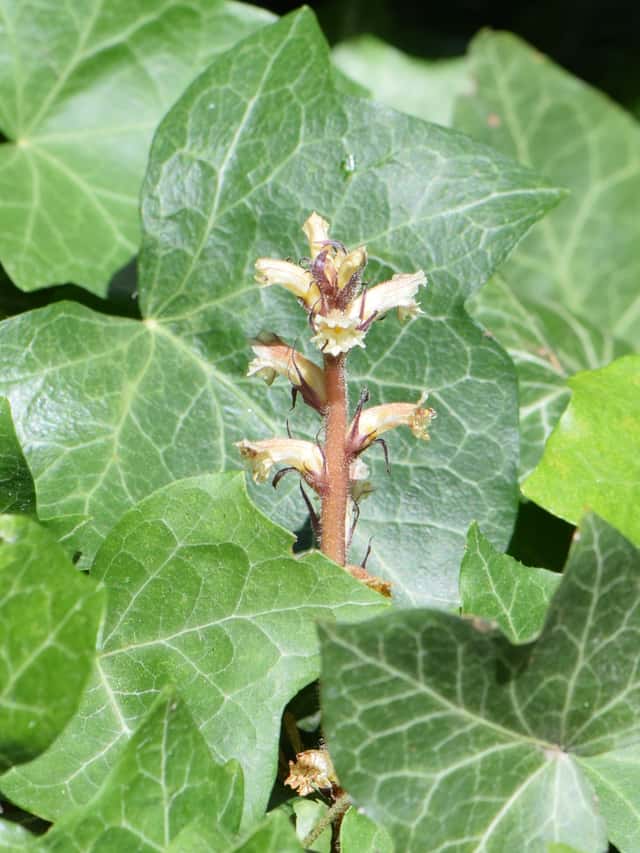
Ivy broomrape (Orobanche hederae) is a holoparasitic plant that lacks chlorophyll. It grows exclusively on the roots of ivies (Hedera spp.), from which it absorbs all its necessary water, nutrients, and carbohydrates. The stem ranges from yellowish to purple in color, reaching up to 60 cm in height, and the flowers are cream-colored with reddish-brown veins. The plant blooms from spring to summer and produces a vast number of tiny seeds. It is native to Central and Northern Europe as well as parts of Asia.
How Big Does Ivy Broomrape Grow?
TLDR: Ivy Broomrape can reach up to 60cm tall with Slow growth rate.
Max height
60cm
Spread
20cm
Growth rate
Slow
Foliage
Deciduous
Plant Uses
Edible
Can be consumed
Medicinal
Medicinal properties
Medicinal Uses
- Historically used in folk medicine in Russia and Northern Europe
- No modern medicinal use
Culinary Uses
- Historically eaten like asparagus—stems boiled or fried
- Not toxic to humans or animals
Is your plant showing symptoms?
Click on the symptom to discover possible causes:
What Diseases Commonly Affect Ivy Broomrape?
TLDR: Ivy Broomrape is susceptible to 2 known diseases. Monitor regularly for early detection.
Root Rot
Root rot is a serious fungal disease that affects the root system of plants, causing them to decay and die. It is primarily caused by overwatering, poor drainage, or soil-borne fungi such as Pythium, Phytophthora, Rhizoctonia, and Fusarium. The disease thrives in waterlogged conditions where roots are deprived of oxygen, making them susceptible to fungal infection.
Powdery Mildew
Powdery mildew is a common fungal disease caused by various fungi species including Erysiphe, Podosphaera, Oïdium, and Leveillula. It affects over 10,000 plant species worldwide. The disease thrives in warm, dry climates with high humidity and appears as a distinctive white powdery coating on plant surfaces.
Compare with similar plants
| Attribute | Difficulty | Light | Watering | Pet Safe |
|---|---|---|---|---|
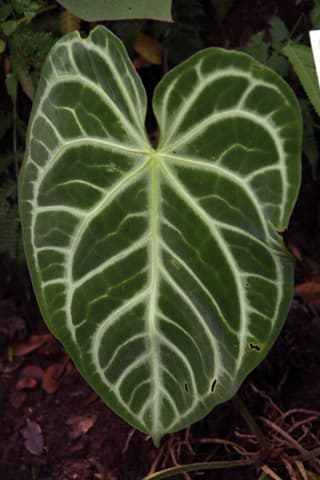
| Crystal Anthurium | Hard | Partial shade | 7d | ⚠️ |
| Delicate violet orchid | Hard | Bright indirect | 2d | ✓ |
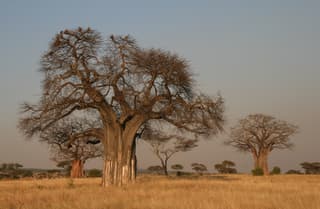
| Baobab | Hard | Direct sun | 14d | ✓ |
| Madagascar Jasmine | Hard | Bright indirect | 7d | ✓ |