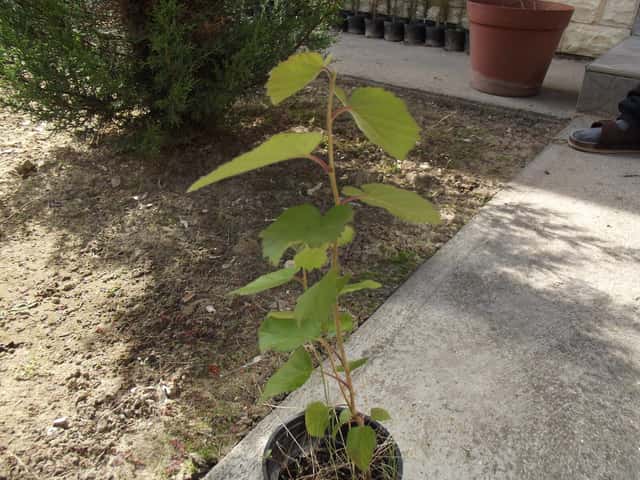
Moraceae
Afghan Fig: Edible Plant
Ficus afghanistanica
Give it as much bright, direct light as possible and let the soil dry out between waterings. It prefers dry air and well-draining soil, and needs little to no fertilizer if repotted yearly.
Every 9 days
Direct sun
15° - 32°C
30% - 50%
Categories
What is Afghan Fig?
Afghan Fig (Ficus afghanistanica) is a easy-care plant from the Moraceae family. The Afghan Fig (Ficus afghanistanica) is a deciduous fig tree native to the arid, mountainous regions of Afghanistan and Central Asia. It has small, silvery, lobed leaves and reddish bark, distinguishing it from the common fig. Hardy and drought-tolerant, it produces small, dark, sweet edible figs a...
Afghan Fig grows up to 6.0m, spread of 300cm, watering every 9 days, 15°C – 32°C, 30–50% humidity. It is suitable for indoor environments and not safe for pets.
Unlike many tropical plants, Afghan Fig tolerates watering mistakes. Best for beginners. Without precautions, ingestion can cause irritation in pets. Keep out of reach of cats and dogs. Without adequate drainage, root rot can develop within 18 days.
How to Care for Afghan Fig?
TLDR: Afghan Fig needs Direct sun, watering every 9 days, and temperatures between 15-32°C with 30-50% humidity.
How Often Should You Water Afghan Fig?
Water thoroughly only once the top few centimeters of soil have dried out - about every 9 days for a small potted plant. Reduce watering in winter when growth slows.
How Much Light Does Afghan Fig Need?
Place it within a foot of a bright, sunny window or grow it outdoors in full sun; it does not tolerate low light.
What Is the Best Soil for Afghan Fig?
Use a well-draining mix with organic matter plus perlite or coarse sand to prevent waterlogging and root rot.
What Pot Should You Use for Afghan Fig?
A terracotta or unglazed clay pot with drainage holes helps excess moisture evaporate, matching this plant's preference for dry soil.
Care Schedule
Repot
Every 365 days
What Is Afghan Fig and Where Does It Come From?
The Afghan Fig (Ficus afghanistanica) is a deciduous fig tree native to the arid, mountainous regions of Afghanistan and Central Asia. It has small, silvery, lobed leaves and reddish bark, distinguishing it from the common fig. Hardy and drought-tolerant, it produces small, dark, sweet edible figs and is grown both as an ornamental container plant and as a landscape tree in warm, dry climates.
How to Propagate Afghan Fig?
Hardwood Stem Cutting
Avoid overwatering the cutting; figs root better when kept on the drier side, and bottom heat can speed rooting.
- 1 Take a 15-20 cm cutting from a healthy, dormant stem with 2-3 nodes
- 2 Let the cut end callus over for a day in a dry spot
- 3 Dip the cut end in rooting hormone
- 4 Insert into a well-draining mix of perlite and potting soil
- 5 Keep lightly moist and in bright, indirect light until roots form
Materials needed:
How Big Does Afghan Fig Grow?
TLDR: Afghan Fig can reach up to 6.0m tall with Fast growth rate.
Max height
6.0m
Spread
3.0m
Growth rate
Fast
Foliage
Deciduous
Warning: Toxic Plant
This plant can be toxic if ingested. Keep out of reach of:
Plant Uses
Ornamental
Great for decoration
Edible
Can be consumed
Culinary Uses
- Fresh edible figs eaten raw once ripe
- Can be dried or used in preserves like common figs
Is your plant showing symptoms?
Click on the symptom to discover possible causes:
What Diseases Commonly Affect Afghan Fig?
TLDR: Afghan Fig is susceptible to 10 known diseases. Monitor regularly for early detection.
Powdery Mildew
Powdery mildew is a common fungal disease caused by various fungi species including Erysiphe, Podosphaera, Oïdium, and Leveillula. It affects over 10,000 plant species worldwide. The disease thrives in warm, dry climates with high humidity and appears as a distinctive white powdery coating on plant surfaces.
Root Rot
Root rot is a serious fungal disease that affects the root system of plants, causing them to decay and die. It is primarily caused by overwatering, poor drainage, or soil-borne fungi such as Pythium, Phytophthora, Rhizoctonia, and Fusarium. The disease thrives in waterlogged conditions where roots are deprived of oxygen, making them susceptible to fungal infection.
Anthracnose
Anthracnose is a fungal disease caused by fungi in the genus Colletotrichum that affects many plants, including vegetables, fruits, and trees. The disease thrives in cool, wet conditions, causing dark, sunken lesions on leaves, stems, flowers, and fruits.
Sooty Mold
Sooty mold is a fungal disease that develops on surfaces coated with honeydew, a sticky sweet substance secreted by sap-sucking insects like aphids, scale insects, and whiteflies. While it does not directly infect plant tissue, it reduces photosynthetic capacity by blocking sunlight and diminishes the plant's aesthetic appearance.
Meaning & Symbolism
Like other fig trees, it is widely associated with abundance, peace, and prosperity.
Compare with similar plants
| Attribute | Difficulty | Light | Watering | Pet Safe |
|---|---|---|---|---|
| Field Maple | Easy | Bright indirect | 14d | ✓ |
| Silver Birch | Easy | Direct sun | 14d | ✓ |
| Common Blanketflower | Easy | Direct sun | 10d | ✓ |
| Cushion Bush | Easy | Direct sun | 14d | ✓ |
Choose & Compare
Sources & References
- The Complete Afghan Fig Plant Care Guide - Greg
- Ficus Silver Lyre Care Guide - Greg
- Afghan Seedling Fig Tree - One Green World
- Afghan Fig - Wanderlust Nursery
- Ficus afghanistanica | Afghan Fig - plant lust
- Ficus Pests & Diseases: Identification and Treatment
- Ficus diseases and pests - definitive guide





