
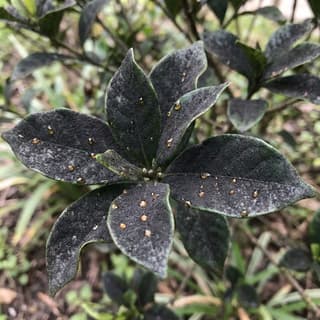
Afghan Fig with Sooty Mold? Rare but Treatable
Ficus afghanistanica
Sooty Mold on Afghan Fig: What to Know?
Sooty Mold on Afghan Fig (Ficus afghanistanica) is a fungal condition with moderate severity. Afghan Fig has low susceptibility to this disease. Sooty mold is a fungal disease that develops on surfaces coated with honeydew, a sticky sweet substance secreted by sap-sucking insects like aphids, scale insects, and whiteflies. While it does not di...
Afghan Fig is a easy-care plant. Recovery from Sooty Mold takes approximately 14 days with proper treatment. As an indoor plant, ensure good ventilation to aid recovery.
Unlike most plants, Afghan Fig has natural resistance to Sooty Mold. Best treated with preventive measures rather than reactive treatment. Unlike bacterial infections, Sooty Mold on Afghan Fig can be managed with organic fungicides. Without precautions, chemical treatments for Sooty Mold can be harmful to pets. Use organic methods for Afghan Fig in pet-friendly homes.
🔍 What Does Sooty Mold Look Like on Afghan Fig?
- • Black, powdery coating on leaves, stems, and fruits
- • Dark fungal growth resembling soot or coal dust
- • Sticky honeydew residue on leaf surfaces
- • Yellowing or premature leaf drop due to reduced light
- • Black layer may flake off or peel during rain
❓ What Causes Sooty Mold on Afghan Fig?
- → Fungal colonization of honeydew produced by sap-sucking insects
- → Infestation of aphids, scale insects, whiteflies, or psyllids
- → Poor air circulation around plants
- → Excessive fertilization promoting succulent growth that attracts pests
- → Ants protecting honeydew-producing insects
💊 How to Treat Sooty Mold on Afghan Fig?
TLDR: Treat Sooty Mold on Afghan Fig with quick treatment (~7 days) or organic (~14 days). Afghan Fig has low susceptibility to this disease.
Quick Fixes
Immediate physical removal
Use a strong water stream to remove as much sooty mold as possible. Do this in the morning so leaves dry during the day.
Apply insecticidal soap
Spray insecticidal soap directly on pests (aphids, scale). Cover all leaf surfaces including undersides.
Chemical pest control
Use fast-acting insecticide (pyrethroids or organophosphates) if infestation is severe. Strictly follow manufacturer's instructions.
Second application
After 5-7 days, repeat insecticide application to eliminate newly hatched pests.
Final cleaning
Once pests are controlled, wash leaves again with water and soap to remove sooty mold and honeydew residue.
Organic Treatment
Identify the pest
Inspect the plant to find aphids, scale insects, or whiteflies. Sooty mold will disappear after eliminating these insects.
Wash off sooty mold
Mix 1 tablespoon of mild soap in 1 gallon of lukewarm water. Use a soft cloth to gently wipe affected leaves.
Apply neem oil
Dilute neem oil according to instructions and spray on pests. Apply in late afternoon to avoid sun damage. Repeat weekly for 3 weeks.
Improve air circulation
Prune dense branches to increase airflow. This makes it harder for fungi and pests to thrive.
Monitor recovery
Check weekly for new signs of pests or sooty mold. Continue preventive treatment if necessary.
🛡️ How to Prevent Sooty Mold on Afghan Fig?
TLDR: Prevent Sooty Mold on Afghan Fig with 6 essential preventive care practices.
- ✓ Control sap-sucking insects using insecticidal soap or neem oil
- ✓ Improve air circulation through regular pruning
- ✓ Avoid excessive fertilization that stimulates succulent growth
- ✓ Maintain healthy plants with proper watering and nutrition
- ✓ Control ants using sticky barriers or baits
- ✓ Regularly inspect new growth for insects
🌱 How to Care for Afghan Fig to Prevent Sooty Mold?
💧 How to Water
Water thoroughly only once the top few centimeters of soil have dried out - about every 9 days for a small potted plant. Reduce watering in winter when growth slows.
☀️ Lighting
Place it within a foot of a bright, sunny window or grow it outdoors in full sun; it does not tolerate low light.
🪴 Ideal Soil
Use a well-draining mix with organic matter plus perlite or coarse sand to prevent waterlogging and root rot.
Frequently asked questions
Can Sooty Mold kill my Afghan Fig?
How long does Afghan Fig take to recover from Sooty Mold?
Is Sooty Mold contagious to other plants near Afghan Fig?
Sources & References
- Sooty Mold / Home and Landscape / UC Statewide IPM Program (UC IPM)
- Sooty Mold: Identify, Prevent and Treat it
- Sooty mold - Wikipedia
- The Complete Afghan Fig Plant Care Guide - Greg
- Ficus Silver Lyre Care Guide - Greg
- Afghan Seedling Fig Tree - One Green World
- Afghan Fig - Wanderlust Nursery
- Ficus afghanistanica | Afghan Fig - plant lust
- Ficus Pests & Diseases: Identification and Treatment
- Ficus diseases and pests - definitive guide