Fabaceae
Alsike Clover (Trifolium hybridum)
Trifolium hybridum
Grow in full sun with moist, well-drained soil. Water weekly and fertilize twice a year. It tolerates acidic soils and temporary waterlogging better than most clovers. Avoid planting in horse pastures due to potential toxicity concerns.
Every 7 days
Direct sun
0° - 35°C
40% - 80%
Categories
What is Alsike Clover?
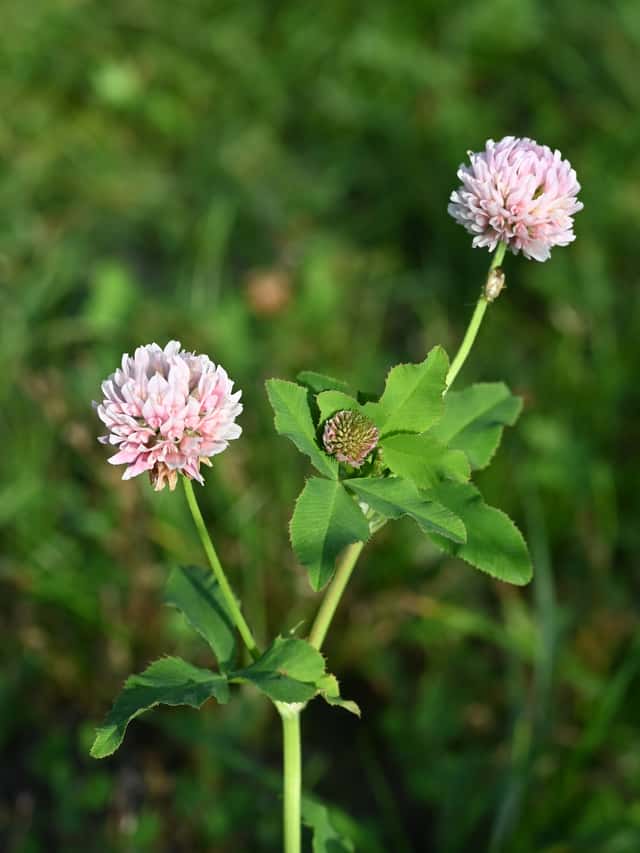
Alsike Clover (Trifolium hybridum) is a easy-care plant from the Fabaceae family. Alsike clover (Trifolium hybridum) is a perennial herbaceous plant in the Fabaceae family, native to southern Europe and southwestern Asia. It produces globose flower heads ranging from white to pink during summer and is widely used as a forage crop, ground cover, and nectar source for pollinators....
Alsike Clover grows up to 90cm, spread of 60cm, watering every 7 days, 0°C – 35°C, 40–80% humidity. It is not suitable for indoor environments and safe for pets.
Unlike many tropical plants, Alsike Clover tolerates watering mistakes. Best for beginners. Unlike many popular species, Alsike Clover is safe to keep around pets.
How to Care for Alsike Clover?
TLDR: Alsike Clover needs Direct sun, watering every 7 days, and temperatures between 0-35°C with 40-80% humidity.
How Often Should You Water Alsike Clover?
Water every 7 days, keeping the soil evenly moist. It tolerates brief dry spells but does not thrive in prolonged drought. Avoid waterlogging beyond its natural tolerance.
How Much Light Does Alsike Clover Need?
Requires full sun (at least 6 hours of direct sunlight daily). It is shade-intolerant — insufficient light reduces flowering and overall plant vigor.
What Is the Best Soil for Alsike Clover?
Prefers loamy to clay-loam soils that are well-drained and moderately fertile. Tolerates acidic conditions (pH 5.5–7.5) and wetter soils better than most other clovers.
What Pot Should You Use for Alsike Clover?
Best grown in open ground, pollinator gardens, and lawn borders. In containers, use wide pots with good drainage holes.
Care Schedule
Fertilize
Every 180 days
What Is Alsike Clover and Where Does It Come From?
Alsike clover (Trifolium hybridum) is a perennial herbaceous plant in the Fabaceae family, native to southern Europe and southwestern Asia. It produces globose flower heads ranging from white to pink during summer and is widely used as a forage crop, ground cover, and nectar source for pollinators. It fixes atmospheric nitrogen through symbiotic root bacteria, enriching the soil naturally.
How Big Does Alsike Clover Grow?
TLDR: Alsike Clover can reach up to 90cm tall with Fast growth rate.
Max height
90cm
Spread
60cm
Growth rate
Fast
Foliage
Semi-evergreen
Plant Uses
Ornamental
Great for decoration
Edible
Can be consumed
Medicinal
Medicinal properties
Ground Cover
Soil coverage
Medicinal Uses
- A cold infusion of the plant has been used traditionally as a wash on the breasts of nursing mothers to stimulate milk flow.
Culinary Uses
- Young leaves and flower heads can be eaten raw in salads or cooked. Dried flowers make a pleasant herbal tea. Seeds can be ground into flour.
Is your plant showing symptoms?
Click on the symptom to discover possible causes:
What Diseases Commonly Affect Alsike Clover?
TLDR: Alsike Clover is susceptible to 6 known diseases. Monitor regularly for early detection.
Powdery Mildew
Powdery mildew is a common fungal disease caused by various fungi species including Erysiphe, Podosphaera, Oïdium, and Leveillula. It affects over 10,000 plant species worldwide. The disease thrives in warm, dry climates with high humidity and appears as a distinctive white powdery coating on plant surfaces.
Root Rot
Root rot is a serious fungal disease that affects the root system of plants, causing them to decay and die. It is primarily caused by overwatering, poor drainage, or soil-borne fungi such as Pythium, Phytophthora, Rhizoctonia, and Fusarium. The disease thrives in waterlogged conditions where roots are deprived of oxygen, making them susceptible to fungal infection.
Aphids
Aphids are small, soft-bodied, pear-shaped insects (1/16 to 1/8 inch long) that feed by sucking nutrient-rich sap from plants. They reproduce rapidly and can quickly weaken plants, causing distorted growth and transmitting plant viruses. Aphids come in various colors including green, black, red, yellow, brown, and gray. They secrete honeydew, a sticky substance that attracts ants and encourages sooty mold growth.
Leaf Spot
Leaf spot is a common fungal disease caused by various pathogens including Alternaria, Ascochyta, Colletotrichum, Septoria, and Venturia. It primarily affects leaves, causing discolored spots that can lead to premature leaf drop if left untreated.
Meaning & Symbolism
The four-leaf clover is considered a symbol of good luck; it is said that finding one allows you to see fairies.
Fun Facts
Alsike clover gets its name from the town of Alsike in Sweden, where it was first widely cultivated.
As a legume, it fixes atmospheric nitrogen through root nodule bacteria, making it an excellent green manure and companion plant in orchards.
It attracts butterflies, bees, and other pollinators, serving as a valuable nectar source throughout summer.
Frequently asked questions
Is alsike clover toxic?
When does alsike clover bloom?
How do you propagate alsike clover?
Compare with similar plants
| Attribute | Difficulty | Light | Watering | Pet Safe |
|---|---|---|---|---|
| Field Maple | Easy | Bright indirect | 14d | ✓ |
| Silver Birch | Easy | Direct sun | 14d | ✓ |
| Common Blanketflower | Easy | Direct sun | 10d | ✓ |
| Cushion Bush | Easy | Direct sun | 14d | ✓ |





