Cupressaceae
Arizona Cypress (Cupressus arizonica)
Cupressus arizonica
A low-maintenance tree for full sun and well-drained soil. Water regularly only during the first year; after that it handles drought and heat. Avoid soggy soil and tight spacing in humid climates, which encourage foliage and root diseases.
Every 14 days
Direct sun
-18° - 40°C
20% - 50%
Categories
What is Arizona cypress?
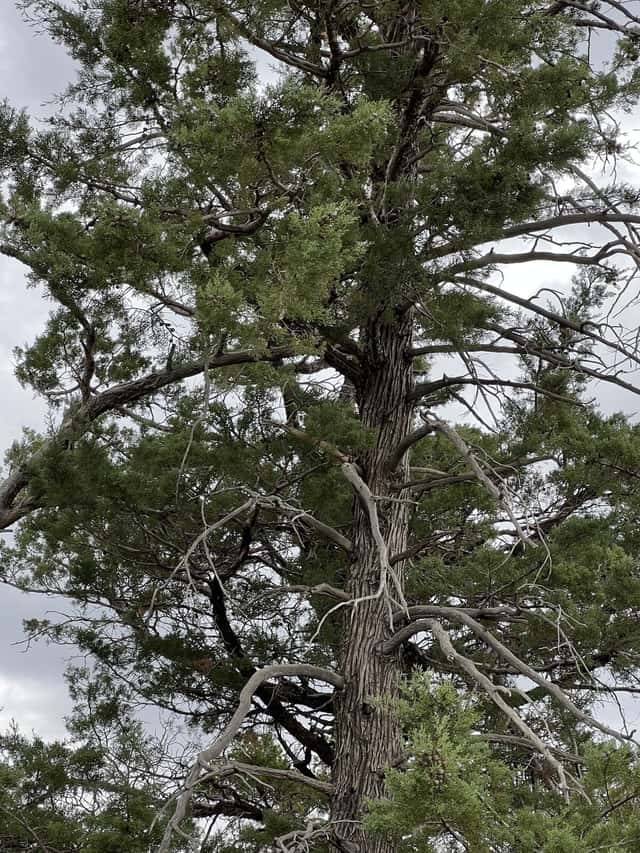
Arizona cypress (Cupressus arizonica) is a easy-care plant from the Cupressaceae family. Cupressus arizonica (now also classified as Hesperocyparis arizonica) is a conifer in the Cupressaceae family, native to the southwestern United States and northern Mexico. It forms a conical to pyramidal crown and reaches 10–25 m. The leaves are tiny scales, grey-green to silvery blue, with a resin...
Arizona cypress grows up to 25.0m, spread of 600cm, watering every 14 days, -18°C – 40°C, 20–50% humidity. It is not suitable for indoor environments and safe for pets.
Unlike many tropical plants, Arizona cypress tolerates watering mistakes. Best for beginners. Unlike many popular species, Arizona cypress is safe to keep around pets.
How to Care for Arizona cypress?
TLDR: Arizona cypress needs Direct sun, watering every 14 days, and temperatures between -18-40°C with 20-50% humidity.
How Often Should You Water Arizona cypress?
For the first 12 months, water deeply every week or two once the soil dries. Once established it only needs water in long droughts. Overwatering and soil that stays wet for days lead to root rot.
How Much Light Does Arizona cypress Need?
Full sun, 6 hours or more a day. In shade the foliage thins and loses its blue tone.
What Is the Best Soil for Arizona cypress?
Sandy or loamy, well-drained soil, acidic or alkaline. It tolerates clay, but the shallow roots anchor poorly and the tree can blow over in storms.
What Pot Should You Use for Arizona cypress?
Not a long-term container tree. Young plants and dwarf cultivars can spend a few years in a large, deep pot with good drainage before going in the ground.
What Is Arizona cypress and Where Does It Come From?
Cupressus arizonica (now also classified as Hesperocyparis arizonica) is a conifer in the Cupressaceae family, native to the southwestern United States and northern Mexico. It forms a conical to pyramidal crown and reaches 10–25 m. The leaves are tiny scales, grey-green to silvery blue, with a resinous scent. The round cones, 1.5 to 3 cm across, stay closed on the tree for years and only open when the branch dies, for example after a wildfire. It is widely planted as a specimen tree, tall screen and windbreak in dry climates.
How to Propagate Arizona cypress?
Seed
Cones stay shut on the tree for years; dry heat helps open them. Seedlings vary in colour, so blue cultivars are grafted.
- 1 Collect mature grey cones and dry them somewhere warm until they open
- 2 Keep the seeds in moist sand in the fridge for 4 to 6 weeks
- 3 Sow in spring in a light mix, barely covered
- 4 Keep moist but not soggy in a bright spot
- 5 Pot up individually when seedlings reach about 10 cm
Materials needed:
Grafting
This is how blue or golden-foliage cultivars are multiplied, since they do not come true from seed.
- 1 Choose a 1 to 2-year-old potted cypress rootstock
- 2 Cut an 8 to 10 cm scion from the chosen cultivar
- 3 Make a side graft and wrap it with grafting tape
- 4 Keep in a sheltered, humid spot until the scion pushes new growth
Materials needed:
How Big Does Arizona cypress Grow?
TLDR: Arizona cypress can reach up to 25.0m tall with Fast growth rate.
Max height
25.0m
Spread
6.0m
Growth rate
Fast
Foliage
Evergreen
Plant Uses
Ornamental
Great for decoration
Aromatic
Pleasant fragrance
Is your plant showing symptoms?
Click on the symptom to discover possible causes:
What Diseases Commonly Affect Arizona cypress?
TLDR: Arizona cypress is susceptible to 4 known diseases. Monitor regularly for early detection.
Phomopsis Tip Blight
A disease caused by the Phomopsis fungus that kills young shoots and causes brown spots on leaves. It thrives in humid conditions and spreads through water splashes.
Passalora Leaf Spot
Passalora is a group of fungi that cause leaf spot and leaf mold diseases, best known on tomato (often called tomato leaf mold). These fungi thrive in warm, humid, poorly ventilated places. Early signs are pale or yellow patches on the upper side of leaves, with olive-brown to dark, velvety growth underneath. As it advances, leaves turn brown, curl, and drop, which weakens the plant and cuts yields. Besides tomato, some Passalora species can affect pepper and various ornamentals and houseplants. The fungi spread by tiny spores carried on wind, splashing water, tools, clothing, and hands.
Canker
Canker is a disease caused by various fungi and bacteria that create necrotic, sunken areas on bark of branches, stems, and trunks. Pathogens enter through wounds and natural openings, especially when plants are stressed. Canker can gradually weaken or kill branches by disrupting water and nutrient flow.
Phytophthora Root Rot
Disease caused by fungus-like organisms (oomycetes) that live in soil and can survive for years. It affects roots, stem, and crown of plants, being especially severe in waterlogged or poorly drained soils. It is the second most common cause of root rot in trees and shrubs.
Fun Facts
Its cones can stay closed for years and open only when the branch dies, often after a wildfire
It was described in 1882 as a Cupressus, and many botanists now place it in Hesperocyparis
Some blue cultivars are grown as Christmas trees
Frequently asked questions
How big does Arizona cypress get?
Is it good for a privacy screen?
Why are branches turning brown?
Does it need much water?
Compare with similar plants
| Attribute | Difficulty | Light | Watering | Pet Safe |
|---|---|---|---|---|
| Field Maple | Easy | Bright indirect | 14d | ✓ |
| Iberian Houseleek | Easy | Direct sun | 14d | ✓ |
| Silver Birch | Easy | Direct sun | 14d | ✓ |
| Common Blanketflower | Easy | Direct sun | 10d | ✓ |
Choose & Compare
Sources & References
- Wikipedia - Hesperocyparis arizonica (Arizona cypress)
- NC State Extension Gardener Plant Toolbox - Hesperocyparis arizonica
- UF/IFAS EDIS ST222 - Roughbark Arizona cypress
- Texas A&M AgriLife - Diseases of Italian cypress and related species in Texas
- University of Arizona Yavapai Extension - Seiridium canker





