Araceae
Arrowleaf Philodendron (Philodendron sagittifolium)
Philodendron sagittifolium
An easy plant: medium to bright indirect light, water when the top 5 cm of soil is dry, a well-draining aroid mix and a support to climb. Tolerates cool nights but not frost.
Every 7 days
Partial shade
10° - 30°C
50% - 80%
Categories
What is Arrowleaf Philodendron?
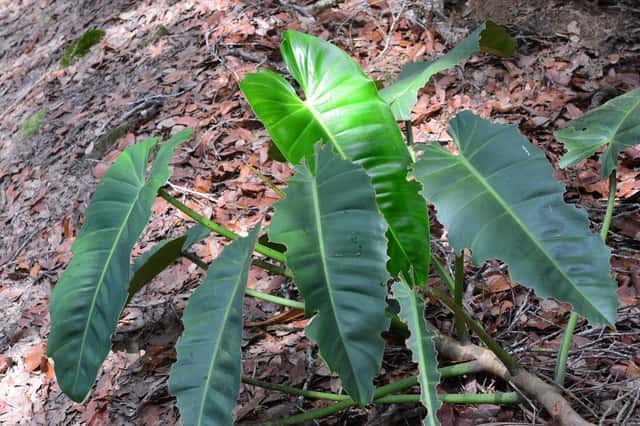
Arrowleaf Philodendron (Philodendron sagittifolium) is a easy-care plant from the Araceae family. Philodendron sagittifolium is a hemiepiphytic climbing aroid (family Araceae) native to southern Mexico, Central America and northern South America, where it grows in wet forests from sea level to about 1,800 m. Its glossy, leathery leaves are arrow-shaped on long petioles and vary a lot in shape fr...
Arrowleaf Philodendron grows up to 1.2m, watering every 7 days, 10°C – 30°C, 50–80% humidity. It is suitable for indoor environments and not safe for pets.
Unlike many tropical plants, Arrowleaf Philodendron tolerates watering mistakes. Best for beginners. Without precautions, ingestion can cause irritation in pets. Keep out of reach of cats and dogs. Without adequate drainage, root rot can develop within 14 days.
How to Care for Arrowleaf Philodendron?
TLDR: Arrowleaf Philodendron needs Partial shade, watering every 7 days, and temperatures between 10-30°C with 50-80% humidity.
How Often Should You Water Arrowleaf Philodendron?
Water when the top 5 cm of the mix is dry, roughly every 7 days in warm weather and less often in winter. Never leave water standing in the saucer: soggy soil leads to root rot.
How Much Light Does Arrowleaf Philodendron Need?
Prefers medium to bright indirect light near a bright window without direct sun. It tolerates low light but grows slower with smaller leaves; direct sun scorches the foliage.
What Is the Best Soil for Arrowleaf Philodendron?
Use a light, well-draining aroid mix: potting soil with orchid bark, perlite and coco coir.
What Pot Should You Use for Arrowleaf Philodendron?
Plastic or ceramic pot with drainage holes, with a moss pole or stake for the plant to climb.
Care Schedule
Fertilize
Every 30 days
Repot
Every 730 days
What Is Arrowleaf Philodendron and Where Does It Come From?
Philodendron sagittifolium is a hemiepiphytic climbing aroid (family Araceae) native to southern Mexico, Central America and northern South America, where it grows in wet forests from sea level to about 1,800 m. Its glossy, leathery leaves are arrow-shaped on long petioles and vary a lot in shape from plant to plant. In a pot it usually reaches 1-1.2 m, and it is one of the more cold-tolerant philodendrons.
How to Propagate Arrowleaf Philodendron?
Stem cutting
Use clean, sharp scissors. Nodes that already have aerial roots root faster.
- 1 Cut a healthy stem section with at least one node and one leaf
- 2 Let the cut dry for a few hours
- 3 Place the cutting in water or moist aroid mix
- 4 Keep it warm in indirect light and change the water weekly
- 5 Pot it up once roots are 3-5 cm long
Materials needed:
How Big Does Arrowleaf Philodendron Grow?
TLDR: Arrowleaf Philodendron can reach up to 1.2m tall with Medium growth rate.
Max height
1.2m
Growth rate
Medium
Foliage
Evergreen
Warning: Toxic Plant
This plant can be toxic if ingested. Keep out of reach of:
Plant Uses
Ornamental
Great for decoration
Is your plant showing symptoms?
Click on the symptom to discover possible causes:
What Diseases Commonly Affect Arrowleaf Philodendron?
TLDR: Arrowleaf Philodendron is susceptible to 9 known diseases. Monitor regularly for early detection.
Root Rot
Root rot is a serious fungal disease that affects the root system of plants, causing them to decay and die. It is primarily caused by overwatering, poor drainage, or soil-borne fungi such as Pythium, Phytophthora, Rhizoctonia, and Fusarium. The disease thrives in waterlogged conditions where roots are deprived of oxygen, making them susceptible to fungal infection.
Overwatering
Overwatering occurs when plants receive too much water, depriving roots of oxygen and causing root rot. This environmental stress is one of the most common causes of houseplant death, as waterlogged soil prevents roots from breathing and functioning properly.
Bacterial Leaf Spot
Bacterial leaf spot is a plant disease caused by bacteria in the Xanthomonas and Pseudomonas genera that affects various ornamental and edible plants. The bacteria infect leaves through wounds or natural openings, causing characteristic lesions that can lead to premature leaf drop and plant weakening.
Bacterial Soft Rot
Erwinia is a genus of plant-pathogenic bacteria that cause fast-spreading rots and blights. On apple and pear, Erwinia amylovora causes fire blight: tender shoots wilt, turn dark, and often bend like a shepherd’s crook; blossoms and twigs may ooze a sticky, amber liquid. In vegetables and many houseplants, related Erwinia-type bacteria cause soft rot: leaves or stems look water-soaked, turn mushy, and smell bad, often starting at wounds or at the crown. These bacteria spread by splashing water, insects, dirty tools, and infected plant parts, especially in warm, wet weather.
Meaning & Symbolism
Like other philodendrons, it stands for warmth and lasting affection; its arrow-shaped leaves suggest direction and steady growth.
Fun Facts
It is considered the most variable Philodendron in leaf shape in Central America, which is why it has been described under several different scientific names
Its inflorescences are pollinated by Cyclocephala beetles, drawn to the reddish resin of the spadix
One clone has grown outdoors in Sicily without protection for more than 50 years
Frequently asked questions
How often should I water an arrowleaf philodendron?
Is arrowleaf philodendron toxic to cats and dogs?
Does arrowleaf philodendron need a support?
Can it handle cold?
Compare with similar plants
| Attribute | Difficulty | Light | Watering | Pet Safe |
|---|---|---|---|---|
| Field Maple | Easy | Bright indirect | 14d | ✓ |
| Iberian Houseleek | Easy | Direct sun | 14d | ✓ |
| Silver Birch | Easy | Direct sun | 14d | ✓ |
| Common Blanketflower | Easy | Direct sun | 10d | ✓ |
Choose & Compare
Sources & References
- Philodendron sagittifolium - Exotic Rainforest
- Philodendron sagittifolium - Canarius
- Philodendron sagittifolium Liebm. - Plants of the World Online (Kew)
- Philodendron sagittifolium - Earthpedia
- Philodendron - CT Agricultural Experiment Station Plant Pest Handbook
- Diseases and pests of philodendron - Promesse de Fleurs





