Asparagaceae
Attenuate Cast-Iron Plant (Aspidistra attenuata)
Aspidistra attenuata
An easy shade plant: low to medium light, never direct sun. Rich, well-drained soil, watered when the top dries. Takes light frosts (to about -12 °C). Remove old, tired leaves once a year.
Every 10 days
Low light
-12° - °C
% - %
Categories
What is Attenuate cast-iron plant?
Attenuate cast-iron plant (Aspidistra attenuata) is a easy-care plant from the Asparagaceae family. Attenuate cast-iron plant (Aspidistra attenuata) is an evergreen rhizomatous perennial endemic to Taiwan, where it grows in the shade of broadleaf forests on rocky slopes at 300-2,000 m. It is a cousin of the common cast-iron plant (Aspidistra elatior). The leaves rise straight from the rhizome; the...
Attenuate cast-iron plant grows up to 90cm, watering every 10 days. It is suitable for indoor environments and safe for pets.
Unlike many tropical plants, Attenuate cast-iron plant tolerates watering mistakes. Best for beginners. Unlike many popular species, Attenuate cast-iron plant is safe to keep around pets. Without adequate drainage, root rot can develop within 20 days.
How to Care for Attenuate cast-iron plant?
TLDR: Attenuate cast-iron plant needs Low light, watering every 10 days, and temperatures between -12-30°C with 40-70% humidity.
How Often Should You Water Attenuate cast-iron plant?
Water when the top 3-5 cm of soil is dry. It forgives missed waterings but not soggy soil. In pots, regular watering and more humid air help keep spider mites away.
How Much Light Does Attenuate cast-iron plant Need?
Shade or part shade. Direct sun scorches the leaves. Indoors it does fine well away from the window, even in dim rooms.
What Is the Best Soil for Attenuate cast-iron plant?
Rich, organic, well-drained soil. In pots, use houseplant mix with some perlite or bark.
What Pot Should You Use for Attenuate cast-iron plant?
A wide, fairly shallow pot with drainage holes, since the rhizome spreads sideways. Plastic or ceramic both work; repot only when the clump fills the pot.
What Is Attenuate cast-iron plant and Where Does It Come From?
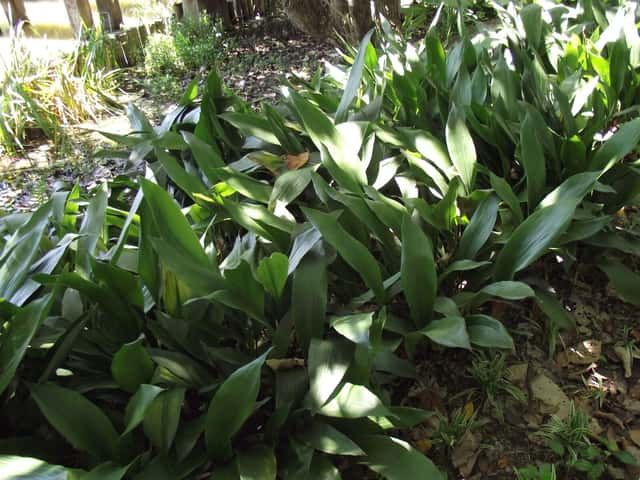
Attenuate cast-iron plant (Aspidistra attenuata) is an evergreen rhizomatous perennial endemic to Taiwan, where it grows in the shade of broadleaf forests on rocky slopes at 300-2,000 m. It is a cousin of the common cast-iron plant (Aspidistra elatior). The leaves rise straight from the rhizome; they are long, narrow and pointed, up to 1 m including the stalk, glossy dark green and sometimes flecked with pale yellow spots. The bell-shaped flowers, purple or yellowish white, open at ground level, almost hidden under the leaves, from autumn to late winter. It is a tough shade plant that does well in mild-climate gardens or indoors.
How to Propagate Attenuate cast-iron plant?
Rhizome division
Larger pieces establish faster. It grows slowly, so only divide well-filled clumps.
- 1 In spring, take the plant out of its pot or lift the clump
- 2 Cut the rhizome with a clean knife into pieces with 2-3 leaves and roots each
- 3 Replant each piece at the same depth in moist, well-drained soil
- 4 Keep in shade with lightly moist soil until a new leaf appears
Materials needed:
How Big Does Attenuate cast-iron plant Grow?
TLDR: Attenuate cast-iron plant can reach up to 90cm tall with Medium growth rate.
Max height
90cm
Foliage
Evergreen
Plant Uses
Ornamental
Great for decoration
Is your plant showing symptoms?
Click on the symptom to discover possible causes:
What Diseases Commonly Affect Attenuate cast-iron plant?
TLDR: Attenuate cast-iron plant is susceptible to 3 known diseases. Monitor regularly for early detection.
Spider Mites
Spider mites are tiny arachnids (less than 1/20 inch long) related to spiders and ticks that feed on plant sap. They thrive in hot, dry conditions and can cause significant damage to ornamental and vegetable plants. During severe infestations, crop losses can reach 14% or higher as these pests disrupt vital plant processes including photosynthesis, carbon dioxide absorption, and transpiration.
Sunburn (Sun Scorch)
Sunburn or sun scorch is an environmental condition that occurs when plants are exposed to intense, direct sunlight beyond their tolerance level. This causes the breakdown of chlorophyll in the leaves, resulting in bleached, dried, and damaged foliage. The damage can happen rapidly, sometimes within just a few hours of exposure.
Root Rot
Root rot is a serious fungal disease that affects the root system of plants, causing them to decay and die. It is primarily caused by overwatering, poor drainage, or soil-borne fungi such as Pythium, Phytophthora, Rhizoctonia, and Fusarium. The disease thrives in waterlogged conditions where roots are deprived of oxygen, making them susceptible to fungal infection.
Fun Facts
The flowers open at ground level, hidden under the leaves.
Each leaf can last around three years.
In the wild it grows only in Taiwan.
Frequently asked questions
How is it different from the common cast-iron plant?
Why do the leaves have brown, scorched patches?
Is it toxic to cats and dogs?
Is it cold hardy?
Compare with similar plants
| Attribute | Difficulty | Light | Watering | Pet Safe |
|---|---|---|---|---|
| Field Maple | Easy | Bright indirect | 14d | ✓ |
| Iberian Houseleek | Easy | Direct sun | 14d | ✓ |
| Silver Birch | Easy | Direct sun | 14d | ✓ |
| Common Blanketflower | Easy | Direct sun | 10d | ✓ |





