Rosaceae
Azarole (Crataegus azarolus)
Crataegus azarolus
A tough, low-maintenance tree: full sun for good fruit, any well-drained soil (chalk, clay, loam or sand), and water only in the first years and during long droughts. It handles cold to about −15 °C and drought once established, but not waterlogging. Seedlings take 5 to 8 years to fruit; grafted trees about 3.
Every 14 days
Bright indirect
-15° - °C
% - %
Categories
What is Azarole?
Azarole (Crataegus azarolus) is a easy-care plant from the Rosaceae family. Crataegus azarolus is a large shrub or small tree in the rose family, a relative of common hawthorn, native to the Mediterranean and western Asia. It grows 4 to 8 m tall and wide, with slightly spiny branches and leathery, deeply lobed leaves that drop in winter. In late spring and early summer it i...
Azarole grows up to 8.0m, spread of 800cm, watering every 14 days. It is not suitable for indoor environments and safe for pets.
Unlike many tropical plants, Azarole tolerates watering mistakes. Best for beginners. Unlike many popular species, Azarole is safe to keep around pets.
How to Care for Azarole?
TLDR: Azarole needs Bright indirect, watering every 14 days, and temperatures between -15-30°C with 40-70% humidity.
How Often Should You Water Azarole?
Water every one to two weeks for the first two years. Once established its deep roots cope on their own; a deep soak in a long dry spell helps the fruit size up.
How Much Light Does Azarole Need?
Full sun is ideal, especially for plentiful, sweet fruit. It grows in part shade but crops less.
What Is the Best Soil for Azarole?
Takes chalk, clay, loam or sand, acid or alkaline, as long as it drains. Avoid low spots where water stands.
What Pot Should You Use for Azarole?
Not a container plant. A young tree can spend a few years in a large, deep pot with good drainage before going in the ground.
What Is Azarole and Where Does It Come From?
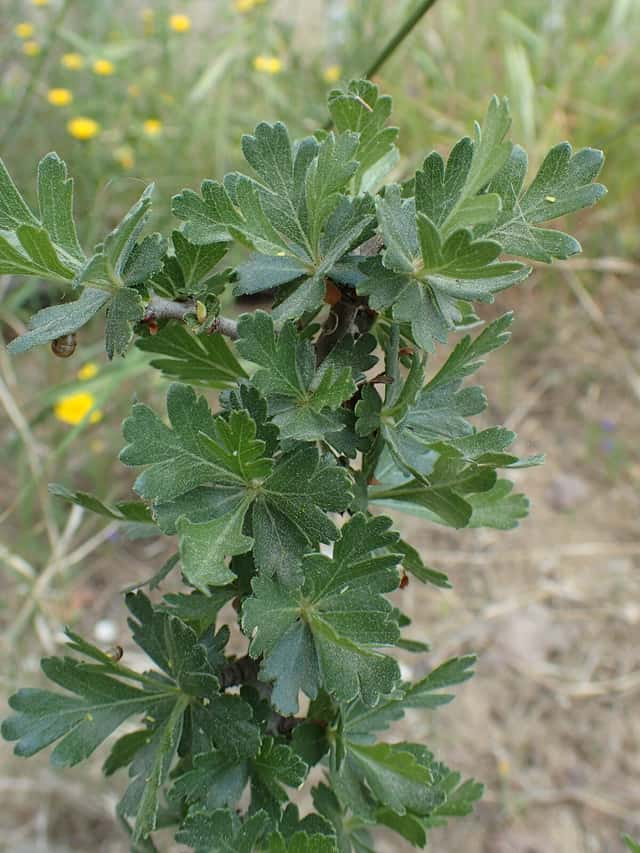
Crataegus azarolus is a large shrub or small tree in the rose family, a relative of common hawthorn, native to the Mediterranean and western Asia. It grows 4 to 8 m tall and wide, with slightly spiny branches and leathery, deeply lobed leaves that drop in winter. In late spring and early summer it is covered in dense clusters of white flowers with purple anthers. The fruits, called azaroles, look like small apples up to 2.5 cm across, yellow, orange or red, with sweet, slightly tart flesh. Grown for centuries in southern European orchards, it is now uncommon.
How to Propagate Azarole?
Seed
Germination is slow and erratic. Stored seed needs 3 months of warm and then 3 months of cold stratification.
- 1 Collect seeds from fully ripe fruit in autumn
- 2 Sow straight away in a pot outdoors or in a cold frame
- 3 Keep moist and expect germination the next spring or the year after
- 4 Transplant seedlings before they spend two years in the seedbed
Materials needed:
Grafting
Grafted trees often flower and fruit in their third year, far sooner than seedlings.
- 1 Use a young common hawthorn (Crataegus monogyna) as rootstock
- 2 Cut an azarole scion with 2 or 3 buds
- 3 Make a cleft or bud graft and tie it firmly
- 4 Seal the union with tape or wax until it sprouts
Materials needed:
How Big Does Azarole Grow?
TLDR: Azarole can reach up to 8.0m tall with Medium growth rate.
Max height
8.0m
Spread
8.0m
Growth rate
Medium
Foliage
Deciduous
Plant Uses
Ornamental
Great for decoration
Edible
Can be consumed
Culinary Uses
- Fruit eaten fresh when fully ripe
- Jams, compotes and fruit paste
- Fruit dried for later use
- Remove the seeds before eating
Is your plant showing symptoms?
Click on the symptom to discover possible causes:
What Diseases Commonly Affect Azarole?
TLDR: Azarole is susceptible to 4 known diseases. Monitor regularly for early detection.
Fire Blight
Fire blight is a highly destructive and contagious bacterial disease caused by Erwinia amylovora. It primarily affects plants in the Rosaceae family, including apple, pear, quince trees, and various ornamental plants. The disease can destroy an entire orchard in a single growing season under ideal conditions, with the bacterium moving approximately 11 inches per week in new growth.
Leaf Spot
Leaf spot is a common fungal disease caused by various pathogens including Alternaria, Ascochyta, Colletotrichum, Septoria, and Venturia. It primarily affects leaves, causing discolored spots that can lead to premature leaf drop if left untreated.
Powdery Mildew
Powdery mildew is a common fungal disease caused by various fungi species including Erysiphe, Podosphaera, Oïdium, and Leveillula. It affects over 10,000 plant species worldwide. The disease thrives in warm, dry climates with high humidity and appears as a distinctive white powdery coating on plant surfaces.
Rust
Rust is a common fungal disease caused by fungi in the order Pucciniales that affects a wide variety of plants. The disease gets its name from the characteristic orange, yellow, or reddish-brown pustules that appear on leaves, resembling metal rust. This obligate fungal parasite requires living plants to survive and can cause significant economic losses in agricultural crops.
Meaning & Symbolism
A traditional tree of Mediterranean orchards, tied to the rural culture of southern Europe and the Middle East.
Fun Facts
Its flowers smell of fish and are pollinated by midges
Common hawthorn is used as its rootstock
Its hard wood was used for tool handles
Frequently asked questions
Is azarole fruit edible?
How long until an azarole bears fruit?
Is it cold and drought hardy?
What is the main disease?
Compare with similar plants
| Attribute | Difficulty | Light | Watering | Pet Safe |
|---|---|---|---|---|
| Field Maple | Easy | Bright indirect | 14d | ✓ |
| Iberian Houseleek | Easy | Direct sun | 14d | ✓ |
| Silver Birch | Easy | Direct sun | 14d | ✓ |
| Common Blanketflower | Easy | Direct sun | 10d | ✓ |





