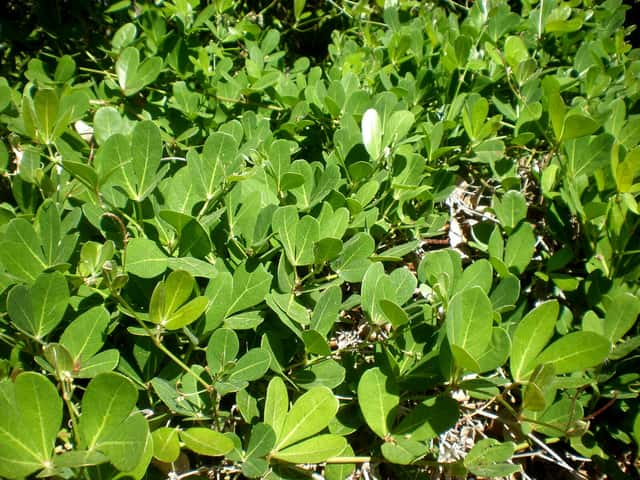
Vitaceae
Baboon Grape (Rhoicissus digitata)
Rhoicissus digitata
A tough plant that grows fast. Give it sun or light shade and soil with some compost dug in. Water regularly until it is established; after that it copes with dry spells and moderate frost. Cut it back once a year if it is taking over a small garden.
Every 10 days
Bright indirect
-3° - 35°C
30% - 70%
Categories
What is Baboon grape?
Baboon grape (Rhoicissus digitata) is a easy-care plant from the Vitaceae family. Baboon grape (Rhoicissus digitata) is an evergreen climber from the grape family, native to South Africa, Eswatini and Mozambique. It grows wild in grassland, bush, forest edges and on coastal dunes. Each leaf is split into three to five glossy leaflets, like the fingers of a hand, with rusty hairs...
Baboon grape grows up to 5.0m, spread of 1500cm, watering every 10 days, -3°C – 35°C, 30–70% humidity. It is not suitable for indoor environments and safe for pets.
Unlike many tropical plants, Baboon grape tolerates watering mistakes. Best for beginners. Unlike many popular species, Baboon grape is safe to keep around pets.
How to Care for Baboon grape?
TLDR: Baboon grape needs Bright indirect, watering every 10 days, and temperatures between -3-35°C with 30-70% humidity.
How Often Should You Water Baboon grape?
Water about every 10 days in the growing season, and more often while the plant is young. Once established it handles drought well, so let the top of the soil dry between waterings. Water less in winter.
How Much Light Does Baboon grape Need?
Full sun to part shade. It grows densest in sun with a little afternoon shade.
What Is the Best Soil for Baboon grape?
Ordinary garden soil with compost mixed in works best, but it also grows in sandy, poor soil as long as water drains away.
What Pot Should You Use for Baboon grape?
Best planted in the ground. In a pot, use a large container with drainage holes; the pot will keep it smaller.
What Is Baboon grape and Where Does It Come From?
Baboon grape (Rhoicissus digitata) is an evergreen climber from the grape family, native to South Africa, Eswatini and Mozambique. It grows wild in grassland, bush, forest edges and on coastal dunes. Each leaf is split into three to five glossy leaflets, like the fingers of a hand, with rusty hairs underneath, and the new growth comes out rust-red. Tendrils let it climb fences and trees, spreading 10 to 15 m, or it can stay a loose shrub about 1.5 m tall. Small greenish-yellow flowers appear from late summer into autumn, followed by red-brown to purple berries about 1.5 cm across. They look like small grapes and taste tart.
How to Propagate Baboon grape?
Seed
Seedlings can rot at the base (damping off), so do not overwater the tray. Handle the young roots gently when potting up.
- 1 Clean the seeds from ripe berries
- 2 Soak them overnight in hand-hot water
- 3 Sow in a tray of well-drained mix and cover with a thin layer of sand
- 4 Keep warm and moist until they sprout
- 5 Pot up each seedling once the first true leaves open
Materials needed:
Semi-hardwood cuttings
Bottom heat and high humidity help a lot.
- 1 Take cuttings from growing stems in spring or summer
- 2 Dip the cut end in rooting hormone
- 3 Plant in coarse river sand or a bark and sand mix
- 4 Keep humid and warm until roots form
Materials needed:
Layering
Runners and suckers often root by themselves.
- 1 Pin a low runner to the soil
- 2 Cover the pinned part with soil
- 3 Cut it from the mother plant once it has rooted
- 4 Replant it where you want it
Materials needed:
How Big Does Baboon grape Grow?
TLDR: Baboon grape can reach up to 5.0m tall with Fast growth rate.
Max height
5.0m
Spread
15.0m
Growth rate
Fast
Foliage
Evergreen
Plant Uses
Ornamental
Great for decoration
Edible
Can be consumed
Ground Cover
Soil coverage
Medicinal
Medicinal properties
Medicinal Uses
- Used as a traditional eye remedy in Zimbabwe and Zambia
Culinary Uses
- The tart berries have been used to make jam
Is your plant showing symptoms?
Click on the symptom to discover possible causes:
What Diseases Commonly Affect Baboon grape?
TLDR: Baboon grape is susceptible to 4 known diseases. Monitor regularly for early detection.
Damping Off
Damping off is a soil-borne fungal disease that affects seeds and young seedlings, causing rotting of stem and root tissues at and below the soil line. It is caused by several fungi including Pythium, Rhizoctonia, Fusarium, and Phytophthora. The disease thrives in cold, wet conditions with poor air circulation.
Caterpillars
Caterpillars are the larval stage of moths and butterflies that feed voraciously on plant foliage, stems, flowers, and fruits. Common species include cabbage loopers, tomato hornworms, armyworms, and cutworms. These pests can cause extensive damage by consuming large amounts of plant tissue in a short time. They vary in size from small (1/4 inch) to large (5 inches), with colors ranging from green to brown, often featuring stripes or spots. Caterpillars are highly mobile and can quickly spread throughout gardens, making them one of the most destructive common pests.
Spider Mites
Spider mites are tiny arachnids (less than 1/20 inch long) related to spiders and ticks that feed on plant sap. They thrive in hot, dry conditions and can cause significant damage to ornamental and vegetable plants. During severe infestations, crop losses can reach 14% or higher as these pests disrupt vital plant processes including photosynthesis, carbon dioxide absorption, and transpiration.
Mealybugs
Mealybugs are small, soft-bodied insects covered with a white, waxy, cottony material. They are common pests of houseplants and outdoor plants in mild climates. These sap-sucking insects feed on plant tissue, causing damage, stunted growth, and can lead to plant death if left untreated. They produce sticky honeydew which attracts sooty mold.
Fun Facts
The species name digitata means fingered, after the leaflets that spread like fingers from one point
The Xhosa use the stems as rope to tie down thatch and to make baskets
On coastal dunes it is often one of the first plants to grow, holding the sand with its stems
Frequently asked questions
How fast does baboon grape grow?
Are baboon grape berries edible?
Can baboon grape take frost?
How do I propagate baboon grape?
Compare with similar plants
| Attribute | Difficulty | Light | Watering | Pet Safe |
|---|---|---|---|---|
| Field Maple | Easy | Bright indirect | 14d | ✓ |
| Iberian Houseleek | Easy | Direct sun | 14d | ✓ |
| Silver Birch | Easy | Direct sun | 14d | ✓ |
| Common Blanketflower | Easy | Direct sun | 10d | ✓ |





