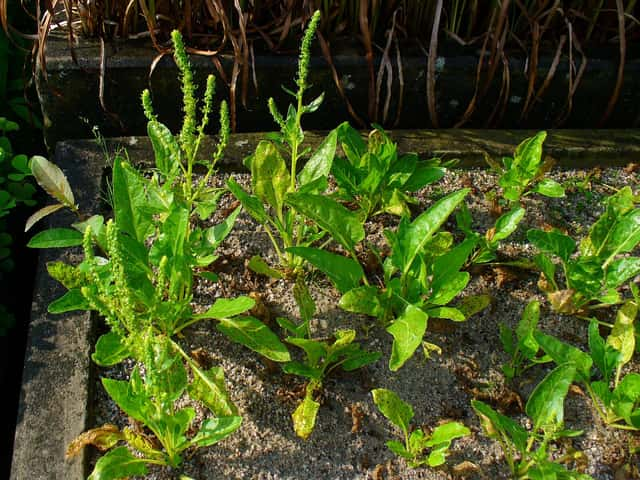
Amaranthaceae
Beet (Beta Genus)
Beta
An easy vegetable for cool-season beds. Beetroot likes mild cold (10 to 18 °C, 50 to 65 °F) and takes light frost; in strong heat the roots develop pale rings and lose sweetness. Chard handles heat better. Grow in full sun in loose, deep soil rich in well-rotted compost, and keep moisture steady. Sow directly in the bed and thin the seedlings.
Every 4 days
Bright indirect
° - °C
% - %
Categories
What is Beet?
Beet (Beta) is a easy-care plant from the Amaranthaceae family. Beta is the beet genus, in the amaranth family (Amaranthaceae). It has 7 to 8 species native from the Atlantic coasts of Europe and the Mediterranean to the Near East and India. The best known is Beta vulgaris, the source of beetroot, chard, sugar beet and mangelwurzel, the fodder beet. Their wild a...
Beet grows up to 1.2m, spread of 45cm, watering every 4 days. It is not suitable for indoor environments and safe for pets.
Unlike many tropical plants, Beet tolerates watering mistakes. Best for beginners. Unlike many popular species, Beet is safe to keep around pets.
How to Care for Beet?
TLDR: Beet needs Bright indirect, watering every 4 days, and temperatures between 15-30°C with 40-70% humidity.
How Often Should You Water Beet?
Keep the soil moist but not soggy, watering every 3-4 days in dry weather. Dry spells followed by heavy watering make beetroot split.
How Much Light Does Beet Need?
Full sun, 6 or more hours a day. Chard also crops in part shade.
What Is the Best Soil for Beet?
Loose, deep sandy to silt loam, well drained and rich in well-decomposed organic matter. Fresh manure encourages scab on the roots.
What Pot Should You Use for Beet?
Best in the ground. In containers, use a pot at least 25 cm deep with drainage holes. Chard and round beetroot do well in large pots.
What Is Beet and Where Does It Come From?
Beta is the beet genus, in the amaranth family (Amaranthaceae). It has 7 to 8 species native from the Atlantic coasts of Europe and the Mediterranean to the Near East and India. The best known is Beta vulgaris, the source of beetroot, chard, sugar beet and mangelwurzel, the fodder beet. Their wild ancestor is the sea beet, which grows on shores and salty ground. The other species live on rocky slopes in Turkey, the Caucasus and Greece. They are annual, biennial or perennial herbs, often with a thick, fleshy root. The flowers are small and greenish, in long spikes that cultivated plants only produce in their second year.
How to Propagate Beet?
Direct sowing
Each "seed" is a small cluster of seeds, so several seedlings come up together. Thinnings are good in salads.
- 1 Soak the seeds in warm water for 1 hour
- 2 Sow 2 cm deep in rows 25-30 cm apart
- 3 Keep the soil moist until germination
- 4 Thin seedlings to 8-10 cm apart for beetroot and 20-30 cm for chard
- 5 Sow again every 3-4 weeks for a longer harvest
Materials needed:
How Big Does Beet Grow?
TLDR: Beet can reach up to 1.2m tall with Fast growth rate.
Max height
1.2m
Spread
45cm
Growth rate
Fast
Plant Uses
Edible
Can be consumed
Ornamental
Great for decoration
Culinary Uses
- Beetroot boiled, roasted, grated raw or pickled
- Chard and beet greens sautéed or raw
- Sugar extracted from sugar beet
Is your plant showing symptoms?
Click on the symptom to discover possible causes:
What Diseases Commonly Affect Beet?
TLDR: Beet is susceptible to 8 known diseases. Monitor regularly for early detection.
Cercospora Leaf Spot
Cercospora leaf spot is a common fungal disease caused by Cercospora species that affects many plant types, particularly beets, roses, and leafy vegetables. The disease thrives in warm, humid conditions and can cause significant defoliation, reducing plant vigor and yield. It spreads rapidly through water splash, wind, and contaminated tools.
Leafminers
Leafminers are the larvae of various insects including flies, moths, sawflies, and beetles that tunnel between leaf surfaces, creating distinctive serpentine trails or blotchy patches. While primarily cosmetic, severe infestations can weaken plants by reducing photosynthesis capacity and making them susceptible to secondary infections.
Aphids
Aphids are small, soft-bodied, pear-shaped insects (1/16 to 1/8 inch long) that feed by sucking nutrient-rich sap from plants. They reproduce rapidly and can quickly weaken plants, causing distorted growth and transmitting plant viruses. Aphids come in various colors including green, black, red, yellow, brown, and gray. They secrete honeydew, a sticky substance that attracts ants and encourages sooty mold growth.
Flea beetle damage
Flea beetles are small, jumping insects that feed on the leaves of many vegetable crops. They chew numerous small, circular holes, creating a characteristic 'shothole' appearance. While established plants can often tolerate the damage, young seedlings are highly susceptible and can be stunted or killed if the infestation is severe.
Fun Facts
All cultivated beets and chards descend from the sea beet, which grows on European shores.
A single species in the genus gives a root vegetable, a leaf vegetable, sugar and animal feed.
A beet "seed" is a small fruit with several seeds inside.
Frequently asked questions
Are beetroot and chard the same plant?
Why do the leaves have round spots with purple edges?
Why did my beetroot flower before making a root?
Why does the root have white rings?
Compare with similar plants
| Attribute | Difficulty | Light | Watering | Pet Safe |
|---|---|---|---|---|
| Field Maple | Easy | Bright indirect | 14d | ✓ |
| Iberian Houseleek | Easy | Direct sun | 14d | ✓ |
| Silver Birch | Easy | Direct sun | 14d | ✓ |
| Common Blanketflower | Easy | Direct sun | 10d | ✓ |





