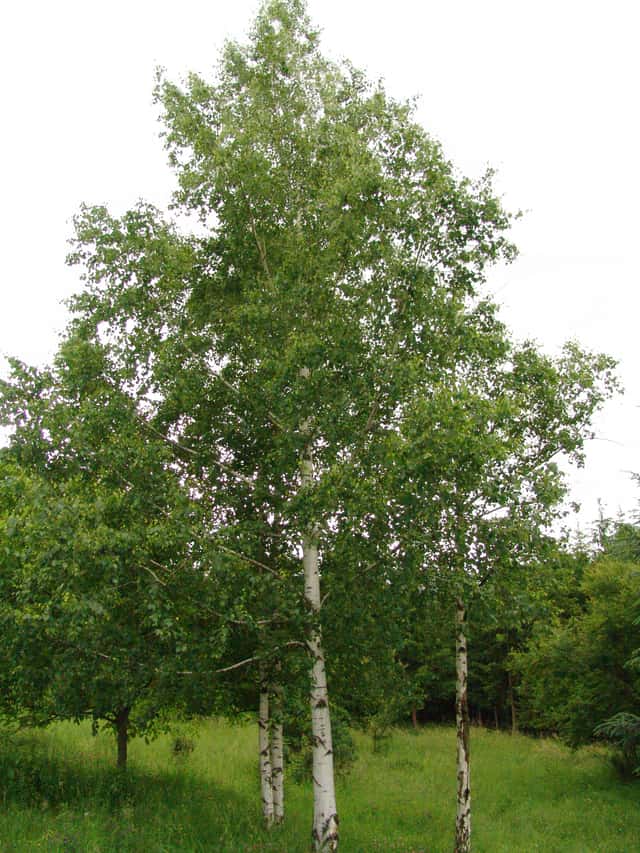
Betulaceae
Birch (Betula) Care Guide
Betula
Plant Betula in full sun to light shade with consistently moist, well-drained, slightly acidic soil. Water deeply and regularly, especially during the first few years and in dry spells, since birches are shallow-rooted and drought-sensitive. Mulch around the base to keep roots cool and moist, fertilize lightly in early spring, and prune only in mid-to-late summer to avoid heavy sap bleeding.
Every 7 days
Direct sun
-35° - 29°C
40% - 70%
Categories
What is Birch?
Birch (Betula) is a easy-care plant from the Betulaceae family. Betula, commonly known as birch, is a genus of about 30-60 species of deciduous hardwood trees and shrubs native to cool temperate and boreal regions of the Northern Hemisphere. Birches are best known for their thin, often peeling bark, which ranges from silvery-white to golden-bronze depending on t...
Birch grows up to 25.0m, spread of 1200cm, watering every 7 days, -35°C – 29°C, 40–70% humidity. It is not suitable for indoor environments and not safe for pets.
Unlike many tropical plants, Birch tolerates watering mistakes. Best for beginners. Without precautions, ingestion can cause irritation in pets. Keep out of reach of cats and dogs.
How to Care for Birch?
TLDR: Birch needs Direct sun, watering every 7 days, and temperatures between -35-29°C with 40-70% humidity.
How Often Should You Water Birch?
Water deeply once a week during the growing season, letting water soak 20-45 cm into the soil; never let the root zone dry out completely, as birches are highly sensitive to drought stress.
How Much Light Does Birch Need?
Give your birch full sun (at least 6 hours of direct light daily) for the best growth and fall color, though it will tolerate light or partial shade, especially in hotter climates.
What Is the Best Soil for Birch?
Use a well-drained, loamy soil that is slightly acidic (pH 5.0-6.5) and stays evenly moist; birches struggle in compacted, alkaline, or waterlogged ground.
What Pot Should You Use for Birch?
Birches are rarely container-grown long-term; young nursery specimens do best in a large, deep pot with excellent drainage until they are planted out in the ground.
Care Schedule
Fertilize
Every 180 days
What Is Birch and Where Does It Come From?
Betula, commonly known as birch, is a genus of about 30-60 species of deciduous hardwood trees and shrubs native to cool temperate and boreal regions of the Northern Hemisphere. Birches are best known for their thin, often peeling bark, which ranges from silvery-white to golden-bronze depending on the species, and for the slender catkins that dangle from bare branches in early spring before the leaves emerge. Fast-growing and relatively short-lived, birches are pioneer trees that quickly colonize open or disturbed ground, and they are widely planted as ornamental specimens for their striking bark, graceful form, and brilliant yellow autumn foliage.
How to Propagate Birch?
Propagation by seed
Birch seeds need light to germinate, so do not bury them; keep the medium consistently moist but not waterlogged.
- 1 Collect ripe catkins in late summer/fall and let them dry to release the tiny winged seeds
- 2 Cold-stratify seeds in moist sand in the refrigerator for 6-8 weeks
- 3 Sow seeds on the surface of moist, well-drained soil mix, pressing lightly without covering
- 4 Keep in bright, cool conditions until germination, then transplant seedlings once established
Materials needed:
Softwood cutting
Rooting success is inconsistent in birch; a misting system or humidity dome greatly improves results.
- 1 Take 10-15 cm softwood cuttings from healthy new growth in early summer
- 2 Remove lower leaves and dip the cut end in rooting hormone
- 3 Insert into a moist, well-draining rooting medium under high humidity
- 4 Keep warm and humid until roots form, then pot up gradually
Materials needed:
How Big Does Birch Grow?
TLDR: Birch can reach up to 25.0m tall with Fast growth rate.
Max height
25.0m
Spread
12.0m
Growth rate
Fast
Foliage
Deciduous
Warning: Toxic Plant
This plant can be toxic if ingested. Keep out of reach of:
Plant Uses
Ornamental
Great for decoration
Medicinal
Medicinal properties
Edible
Can be consumed
Medicinal Uses
- Bark and leaves used traditionally as an anti-inflammatory and diuretic tea
- Birch sap consumed for its mild detoxifying and diuretic properties
- Betulin and betulinic acid extracted from the bark for topical skin remedies
Culinary Uses
- Sap tapped in early spring and drunk fresh or fermented into birch wine/vinegar
- Sap boiled down into birch syrup as a maple syrup alternative
Is your plant showing symptoms?
Click on the symptom to discover possible causes:
What Diseases Commonly Affect Birch?
TLDR: Birch is susceptible to 4 known diseases. Monitor regularly for early detection.
Leafminers
Leafminers are the larvae of various insects including flies, moths, sawflies, and beetles that tunnel between leaf surfaces, creating distinctive serpentine trails or blotchy patches. While primarily cosmetic, severe infestations can weaken plants by reducing photosynthesis capacity and making them susceptible to secondary infections.
Rust
Rust is a common fungal disease caused by fungi in the order Pucciniales that affects a wide variety of plants. The disease gets its name from the characteristic orange, yellow, or reddish-brown pustules that appear on leaves, resembling metal rust. This obligate fungal parasite requires living plants to survive and can cause significant economic losses in agricultural crops.
Leaf Spot
Leaf spot is a common fungal disease caused by various pathogens including Alternaria, Ascochyta, Colletotrichum, Septoria, and Venturia. It primarily affects leaves, causing discolored spots that can lead to premature leaf drop if left untreated.
Aphids
Aphids are small, soft-bodied, pear-shaped insects (1/16 to 1/8 inch long) that feed by sucking nutrient-rich sap from plants. They reproduce rapidly and can quickly weaken plants, causing distorted growth and transmitting plant viruses. Aphids come in various colors including green, black, red, yellow, brown, and gray. They secrete honeydew, a sticky substance that attracts ants and encourages sooty mold growth.
Meaning & Symbolism
The birch is a universal symbol of renewal, new beginnings, and purification. Its pale bark, fast growth, and role as a pioneer species colonizing bare ground after fires or clearing have made it sacred in Celtic, Norse, Slavic, and Native American traditions alike.
Fun Facts
Birch bark is naturally waterproof and was used by Indigenous peoples of North America to build canoes and containers.
Birch sap can be tapped in early spring, much like maple sap, and turned into syrup, wine, or beer.
The genus Betula includes both towering forest trees over 25 m tall and tiny alpine shrubs just a few centimeters high.
Birch is often the first tree to recolonize land after a fire or forest clearing, earning it the nickname "pioneer species."
Frequently asked questions
How much sun does a birch tree need?
How often should I water a birch tree?
Why are the leaves on my birch turning yellow and dropping early?
Is birch toxic to pets?
When is the best time to prune a birch tree?
Compare with similar plants
| Attribute | Difficulty | Light | Watering | Pet Safe |
|---|---|---|---|---|
| Field Maple | Easy | Bright indirect | 14d | ✓ |
| Silver Birch | Easy | Direct sun | 14d | ✓ |
| Common Blanketflower | Easy | Direct sun | 10d | ✓ |
| Cushion Bush | Easy | Direct sun | 14d | ✓ |





