Boletaceae
Bitter Bolete: Best for Low Light
Tylopilus felleus
The bitter bolete is a mycorrhizal fungus that is nearly impossible to cultivate in domestic settings, as it requires a symbiosis with living trees and a specific forest ecosystem.
Every 3 days
Low light
10° - 25°C
70% - 95%
Categories
What is Bitter Bolete?
Bitter Bolete (Tylopilus felleus) is a hard-care plant from the Boletaceae family. Tylopilus felleus, commonly known as the bitter bolete, is a species of fungus in the Boletaceae family. It is notorious for its extremely bitter taste, which renders it inedible, although it is not lethally poisonous. The mushroom features a brown cap, a white to pinkish pore surface, and a charact...
Bitter Bolete grows up to 15cm, spread of 10cm, watering every 3 days, 10°C – 25°C, 70–95% humidity. It is not suitable for indoor environments and not safe for pets.
Unlike easy-care plants, Bitter Bolete demands constant attention to humidity and light. Not recommended for beginners. Without precautions, ingestion can cause irritation in pets. Keep out of reach of cats and dogs.
How to Care for Bitter Bolete?
TLDR: Bitter Bolete needs Low light, watering every 3 days, and temperatures between 10-25°C with 70-95% humidity.
How Often Should You Water Bitter Bolete?
Requires high humidity and a consistently damp substrate, mimicking the natural forest floor.
How Much Light Does Bitter Bolete Need?
Prefers shaded and moist forest areas; direct sunlight quickly dries out the fruiting body.
What Is the Best Soil for Bitter Bolete?
Requires acidic, humus-rich, and permanently moist forest soil.
What Pot Should You Use for Bitter Bolete?
Not suitable for pot cultivation; requires natural forest ground and tree roots.
Care Schedule
Misting
Every 1 days
What Is Bitter Bolete and Where Does It Come From?
Tylopilus felleus, commonly known as the bitter bolete, is a species of fungus in the Boletaceae family. It is notorious for its extremely bitter taste, which renders it inedible, although it is not lethally poisonous. The mushroom features a brown cap, a white to pinkish pore surface, and a characteristic dark reticulation (net-like pattern) on the stem. It grows in symbiosis with coniferous and deciduous trees, preferring acidic soil.
How to Propagate Bitter Bolete?
Spore dispersal
- Requires a living host tree for survival
- Results are highly uncertain
- 1 Spore collection
Allow a mature mushroom to drop its spores onto paper.
- 2 Substrate preparation
Prepare acidic and humus-rich soil near a suitable host tree (e.g., spruce or pine).
- 3 Inoculation
Scatter the spores near the tree roots and keep the area moist.
Materials needed:
How Big Does Bitter Bolete Grow?
TLDR: Bitter Bolete can reach up to 15cm tall with Medium growth rate.
Max height
15cm
Spread
10cm
Growth rate
Medium
Warning: Toxic Plant
This plant can be toxic if ingested. Keep out of reach of:
Plant Uses
Ornamental
Great for decoration
Medicinal Uses
- Studies have indicated potential anti-inflammatory properties
- Used in mycological research
Is your plant showing symptoms?
Click on the symptom to discover possible causes:
Meaning & Symbolism
Symbolizes disappointment or deceptive appearances (due to its resemblance to the delicious porcini mushroom).
Compare with similar plants
| Attribute | Difficulty | Light | Watering | Pet Safe |
|---|---|---|---|---|
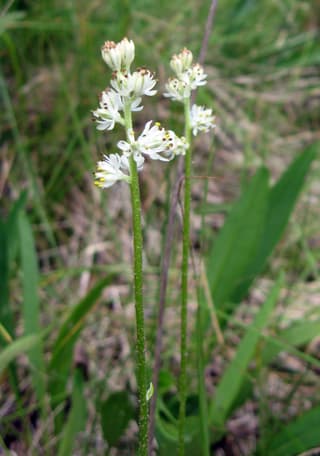
| Sticky false asphodel | Hard | Bright indirect | 1d | ✓ |
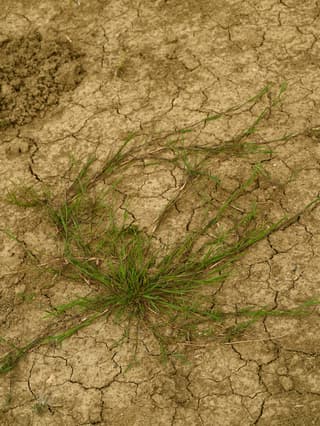
| Creeping bentgrass | Hard | Direct sun | 3d | ✓ |
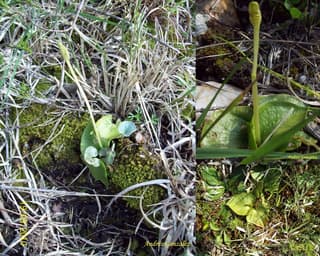
| Bulbous Adder's-tongue | Hard | Partial shade | 4d | ✓ |
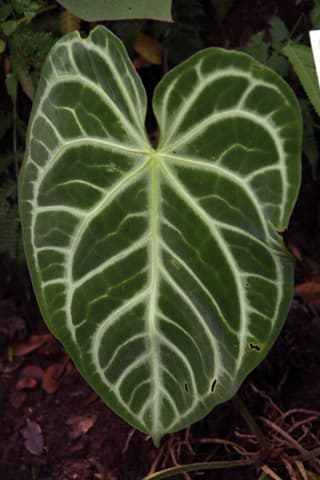
| Crystal Anthurium | Hard | Partial shade | 7d | ⚠️ |