Malvaceae
Brachychiton (genus)
Brachychiton
Full sun, well-drained soil and little water once established. Water young plants regularly and very little in winter. Protect from hard frost, especially when young.
Every 14 days
Direct sun
-6° - °C
% - %
Categories
What is Kurrajong?
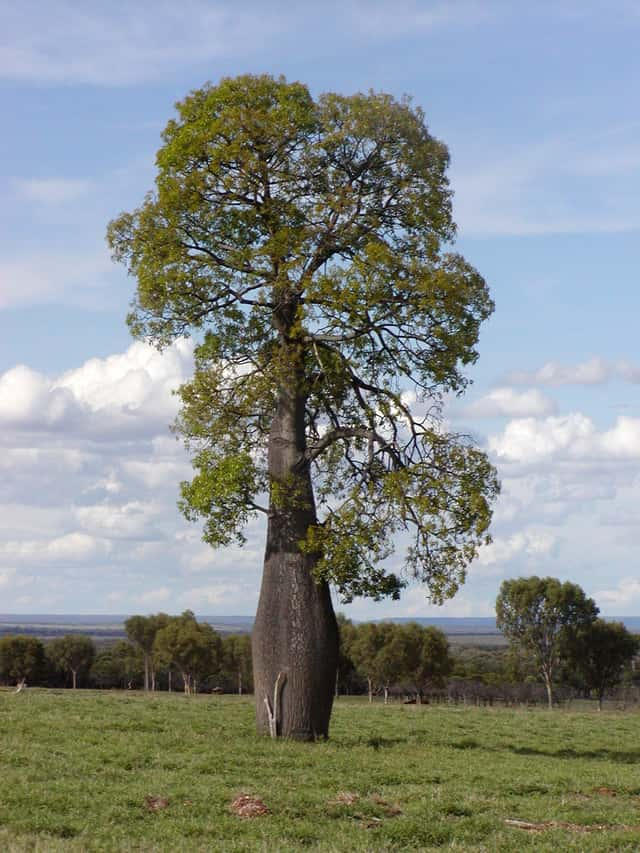
Kurrajong (Brachychiton) is a easy-care plant from the Malvaceae family. Brachychiton is a genus of about 30 species of trees and large shrubs in the mallow family (Malvaceae), nearly all native to Australia with one in New Guinea. They grow 4 to 30 m tall. Several species have a swollen, bottle-shaped trunk that stores water through drought, such as the Queensland bottl...
Kurrajong grows up to 30.0m, watering every 14 days. It is suitable for indoor environments and safe for pets.
Unlike many tropical plants, Kurrajong tolerates watering mistakes. Best for beginners. Unlike many popular species, Kurrajong is safe to keep around pets. Without adequate drainage, root rot can develop within 28 days.
How to Care for Kurrajong?
TLDR: Kurrajong needs Direct sun, watering every 14 days, and temperatures between -6-30°C with 40-70% humidity.
How Often Should You Water Kurrajong?
Water often in the first year to establish roots, then only in long dry spells. Cut back in autumn and winter: waterlogged soil rots the roots.
How Much Light Does Kurrajong Need?
Needs full sun. Indoors, give it the sunniest window.
What Is the Best Soil for Kurrajong?
Tolerates poor, sandy or rocky soil as long as it drains well. In pots, use a cactus mix blended with potting soil.
What Pot Should You Use for Kurrajong?
A deep terracotta or ceramic pot with drainage holes; bottle-trunk species also suit wide shallow pots or bonsai.
Care Schedule
Repot
Every 730 days
What Is Kurrajong and Where Does It Come From?
Brachychiton is a genus of about 30 species of trees and large shrubs in the mallow family (Malvaceae), nearly all native to Australia with one in New Guinea. They grow 4 to 30 m tall. Several species have a swollen, bottle-shaped trunk that stores water through drought, such as the Queensland bottle tree (B. rupestris), and some drop their leaves in the dry season. The flowers are bell-shaped, in red, pink, cream or white, and some species bloom on bare branches, like the Illawarra flame tree (B. acerifolius). The fruits are woody pods with irritant hairs around the seeds. Species such as B. populneus and B. acerifolius are planted as street and garden trees in hot, dry climates.
How to Propagate Kurrajong?
Seed
The hairs around the seeds irritate skin and eyes, so wear gloves and avoid breathing the fluff. Fresh seed germinates best.
- 1 Open ripe pods wearing gloves
- 2 Remove the seeds and clean off the hairs
- 3 Sow 1 cm deep in sandy mix
- 4 Keep lightly moist in a warm, bright spot
Materials needed:
How Big Does Kurrajong Grow?
TLDR: Kurrajong can reach up to 30.0m tall with Medium growth rate.
Max height
30.0m
Growth rate
Medium
Foliage
Semi-evergreen
Plant Uses
Ornamental
Great for decoration
Culinary Uses
- Seeds, with the hairs removed, were roasted and eaten by Aboriginal Australians
Is your plant showing symptoms?
Click on the symptom to discover possible causes:
What Diseases Commonly Affect Kurrajong?
TLDR: Kurrajong is susceptible to 4 known diseases. Monitor regularly for early detection.
Root Rot
Root rot is a serious fungal disease that affects the root system of plants, causing them to decay and die. It is primarily caused by overwatering, poor drainage, or soil-borne fungi such as Pythium, Phytophthora, Rhizoctonia, and Fusarium. The disease thrives in waterlogged conditions where roots are deprived of oxygen, making them susceptible to fungal infection.
Scale Insects
Scale insects are small sap-sucking pests that appear as brown, shell-like bumps on plant stems and leaves. There are over 25 species, divided into armored (hard) and unarmored (soft) scales. They feed by piercing plant tissue and extracting sap, which weakens the plant and can lead to yellowing, stunted growth, and even death if left untreated. They also excrete honeydew, which attracts ants and promotes sooty mold growth.
Mealybugs
Mealybugs are small, soft-bodied insects covered with a white, waxy, cottony material. They are common pests of houseplants and outdoor plants in mild climates. These sap-sucking insects feed on plant tissue, causing damage, stunted growth, and can lead to plant death if left untreated. They produce sticky honeydew which attracts sooty mold.
Aphids
Aphids are small, soft-bodied, pear-shaped insects (1/16 to 1/8 inch long) that feed by sucking nutrient-rich sap from plants. They reproduce rapidly and can quickly weaken plants, causing distorted growth and transmitting plant viruses. Aphids come in various colors including green, black, red, yellow, brown, and gray. They secrete honeydew, a sticky substance that attracts ants and encourages sooty mold growth.
Fun Facts
"Kurrajong" comes from a Dharuk word for fishing line, which was made from the bark
Brachychiton is Greek for "short tunic", for the loose seed coats
The Illawarra flame tree (B. acerifolius) can drop its leaves and be covered only in red flowers
Frequently asked questions
Is Brachychiton drought tolerant?
Can I grow one in a pot?
Is it frost hardy?
Are the seed pods dangerous?
Compare with similar plants
| Attribute | Difficulty | Light | Watering | Pet Safe |
|---|---|---|---|---|
| Field Maple | Easy | Bright indirect | 14d | ✓ |
| Iberian Houseleek | Easy | Direct sun | 14d | ✓ |
| Silver Birch | Easy | Direct sun | 14d | ✓ |
| Common Blanketflower | Easy | Direct sun | 10d | ✓ |





