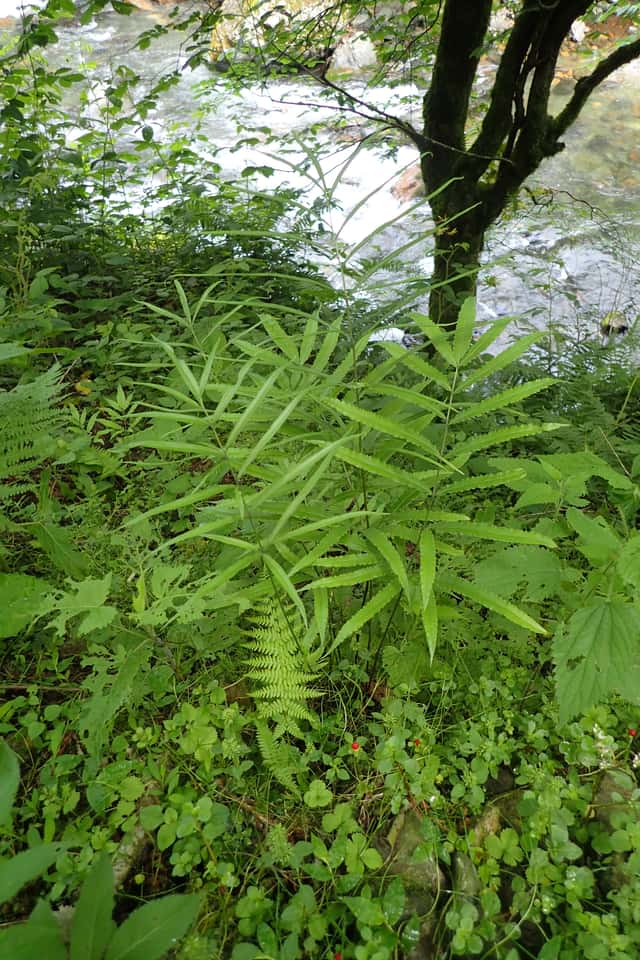
Pteridaceae
Pteris — Brake Fern: Complete Indoor Care Guide
Pteris
Pteris is an easy-care fern that thrives in bright indirect light with consistently moist, well-draining soil. Maintain humidity between 50–70%, temperatures of 10–29°C, and fertilize every 6 weeks during the growing season. Repot every 2–3 years. Propagate by division (easiest) or spore cultivation.
Every 5 days
Partial shade
10° - 29°C
50% - 70%
Categories
What is Brake Fern?
Brake Fern (Pteris) is a easy-care plant from the Pteridaceae family. Pteris is a genus of roughly 300 fern species in the family Pteridaceae, native to tropical and subtropical regions worldwide. Commonly known as brake ferns or table ferns, they are prized for their graceful, arching fronds — often variegated with white or silver stripes. These ferns thrive in shade...
Brake Fern grows up to 60cm, spread of 60cm, watering every 5 days, 10°C – 29°C, 50–70% humidity. It is suitable for indoor environments and safe for pets.
Unlike many tropical plants, Brake Fern tolerates watering mistakes. Best for beginners. Unlike many popular species, Brake Fern is safe to keep around pets. Without adequate drainage, root rot can develop within 10 days.
How to Care for Brake Fern?
TLDR: Brake Fern needs Partial shade, watering every 5 days, and temperatures between 10-29°C with 50-70% humidity.
How Often Should You Water Brake Fern?
Water every 5 days, keeping the soil evenly moist but never waterlogged. Use room-temperature, preferably rain or filtered water. Never let the root ball dry out completely — crispy, brown frond tips are a reliable sign of underwatering. Reduce watering frequency in autumn and winter.
How Much Light Does Brake Fern Need?
Place in bright, indirect light within 1 meter of an east- or north-facing window. Direct sun scorches the delicate fronds. In low-light conditions, fronds become pale and growth slows noticeably. Supplemental LED grow lights are a good alternative in darker spaces.
What Is the Best Soil for Brake Fern?
Use a rich, well-draining potting mix: 2 parts peat moss or coco coir, 1 part perlite, 1 part compost. Target pH 5.5–7.0. Good drainage is non-negotiable — always use pots with drainage holes to prevent root rot.
What Pot Should You Use for Brake Fern?
Glazed ceramic or plastic pots with drainage holes are ideal for retaining moisture without waterlogging. Avoid unglazed terracotta, which dries the substrate quickly. Choose a pot only 2–3 cm larger than the root ball.
Care Schedule
Fertilize
Every 42 days
Misting
Every 3 days
Rotate
Every 7 days
Repot
Every 730 days
What Is Brake Fern and Where Does It Come From?
Pteris is a genus of roughly 300 fern species in the family Pteridaceae, native to tropical and subtropical regions worldwide. Commonly known as brake ferns or table ferns, they are prized for their graceful, arching fronds — often variegated with white or silver stripes. These ferns thrive in shaded, humid conditions and are among the most popular indoor ferns. They reproduce via spores borne openly along frond margins and produce no flowers. Pteris ferns are considered non-toxic to cats, dogs, and humans, making them a pet-safe choice for home and office.
How to Propagate Brake Fern?
Division
- 1 Water thoroughly the day before
- 2 Remove plant from pot and gently separate crowns, ensuring each section has roots and fronds
- 3 Trim any damaged roots or fronds
- 4 Plant each division in fresh, well-draining mix
- 5 Keep in shade for 2–3 weeks until established
Spore Propagation
- 1 Collect mature (brown/black) spores from the frond margins
- 2 Sow on sterile peat/perlite mix
- 3 Cover with plastic wrap to retain humidity
- 4 Maintain at 21°C with indirect light; mist regularly
- 5 Prothalli appear in 4–6 weeks; true fronds in 2–3 months
- 6 Transplant to individual pots once large enough
How Big Does Brake Fern Grow?
TLDR: Brake Fern can reach up to 60cm tall with Slow growth rate.
Max height
60cm
Spread
60cm
Growth rate
Slow
Foliage
Evergreen
Plant Uses
Ornamental
Great for decoration
Air Purifying
Improves air quality
Is your plant showing symptoms?
Click on the symptom to discover possible causes:
What Diseases Commonly Affect Brake Fern?
TLDR: Brake Fern is susceptible to 12 known diseases. Monitor regularly for early detection.
Root Rot
Root rot is a serious fungal disease that affects the root system of plants, causing them to decay and die. It is primarily caused by overwatering, poor drainage, or soil-borne fungi such as Pythium, Phytophthora, Rhizoctonia, and Fusarium. The disease thrives in waterlogged conditions where roots are deprived of oxygen, making them susceptible to fungal infection.
Leaf Spot
Leaf spot is a common fungal disease caused by various pathogens including Alternaria, Ascochyta, Colletotrichum, Septoria, and Venturia. It primarily affects leaves, causing discolored spots that can lead to premature leaf drop if left untreated.
Spider Mites
Spider mites are tiny arachnids (less than 1/20 inch long) related to spiders and ticks that feed on plant sap. They thrive in hot, dry conditions and can cause significant damage to ornamental and vegetable plants. During severe infestations, crop losses can reach 14% or higher as these pests disrupt vital plant processes including photosynthesis, carbon dioxide absorption, and transpiration.
Mealybugs
Mealybugs are small, soft-bodied insects covered with a white, waxy, cottony material. They are common pests of houseplants and outdoor plants in mild climates. These sap-sucking insects feed on plant tissue, causing damage, stunted growth, and can lead to plant death if left untreated. They produce sticky honeydew which attracts sooty mold.
Meaning & Symbolism
In Japanese and broader Asian cultures, Pteris ferns symbolize resilience, renewal, and quiet perseverance — their ability to regenerate after adversity mirrors the silent strength of nature. As houseplants, they are associated with calm, balanced environments.
Fun Facts
Pteris contains around 300 species found on every continent except Antarctica.
Pteris vittata is a natural arsenic hyperaccumulator actively studied for phytoremediation of contaminated soils.
Pteris spores are borne openly along the outer margins of pinnae, without a protective indusium covering.
The white or silver stripes on many Pteris cultivars are natural variegation — not a sign of disease or stress.
Pteris are non-flowering vascular plants, reproducing exclusively through spores rather than seeds or flowers.
Compare with similar plants
| Attribute | Difficulty | Light | Watering | Pet Safe |
|---|---|---|---|---|
| Field Maple | Easy | Bright indirect | 14d | ✓ |
| Silver Birch | Easy | Direct sun | 14d | ✓ |
| Common Blanketflower | Easy | Direct sun | 10d | ✓ |
| Cushion Bush | Easy | Direct sun | 14d | ✓ |
Choose & Compare
Sources & References
- Brake Fern (Pteris cretica): Complete Care Guide and Benefits - Healthy Houseplants
- Pteris (Brake Fern, Ribbon Fern, Table Fern) - NC State Extension
- Pteris Cretica Silver Ribbon Fern Care Guide - Vivarium Plants
- Brake Fern (Pteris cretica) Plant Care: What to Know - Healthy Houseplants
- 5 Indoor Care Tips for Pteris Fern - Greg App





