Brassicaceae
Brassica: Edible Plant
Brassica
Brassicas prefer full sun (6-8 hours per day), fertile, and well-drained soil with a pH between 6.0 and 7.2. Water every 5 days, keeping the soil uniformly moist. They are light frost-resistant plants, grow quickly, and require regular nitrogen fertilization for abundant leaf production.
Every 5 days
Direct sun
-4° - 24°C
50% - 70%
Categories
What is Brassica?
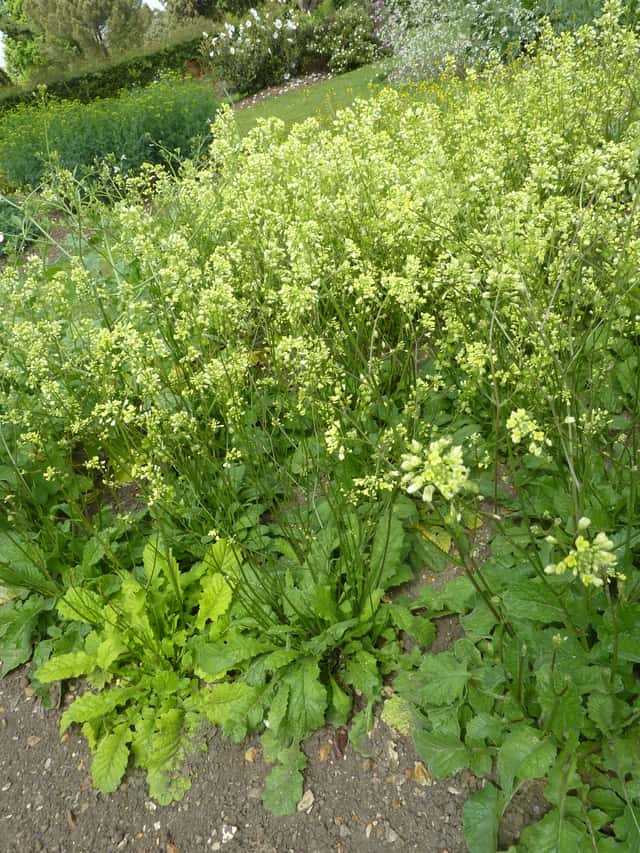
Brassica (Brassica) is a easy-care plant from the Brassicaceae family. The genus Brassica comprises more than 30 species of herbaceous plants in the Brassicaceae family, including some of the most widely consumed vegetables in the world: kale, cabbage, broccoli, cauliflower, mustard, and turnip. Native to Europe and Asia, these annual or biennial plants adapt to cool a...
Brassica grows up to 1.2m, spread of 90cm, watering every 5 days, -4°C – 24°C, 50–70% humidity. It is not suitable for indoor environments and safe for pets.
Unlike many tropical plants, Brassica tolerates watering mistakes. Best for beginners. Unlike many popular species, Brassica is safe to keep around pets.
How to Care for Brassica?
TLDR: Brassica needs Direct sun, watering every 5 days, and temperatures between -4-24°C with 50-70% humidity.
How Often Should You Water Brassica?
Water every 4-7 days, keeping the soil uniformly moist but never waterlogged. On hot days or during periods of rapid growth, increase the frequency. Avoid wetting the leaves to reduce the risk of fungal diseases.
How Much Light Does Brassica Need?
Prefers full sun with at least 6 hours of direct sunlight per day. In hot regions, partial afternoon shade can prevent bolting and extend the plant's life cycle.
What Is the Best Soil for Brassica?
Use fertile, well-drained soil with a loamy or clay-loam texture. Amend the pH to 6.0–7.2 with lime if necessary. Incorporate organic compost before planting to improve structure and nutrient retention.
What Pot Should You Use for Brassica?
Clay or plastic pots with good drainage. Use containers at least 12 inches (30 cm) deep for adequate root growth. 3-5 gallon (10-20 liter) buckets are ideal for small-space cultivation.
Care Schedule
Fertilize
Every 30 days
What Is Brassica and Where Does It Come From?
The genus Brassica comprises more than 30 species of herbaceous plants in the Brassicaceae family, including some of the most widely consumed vegetables in the world: kale, cabbage, broccoli, cauliflower, mustard, and turnip. Native to Europe and Asia, these annual or biennial plants adapt to cool and temperate climates, producing nutrient-rich leaves and characteristic four-petaled yellow or white flowers that gave the family its name.
How to Propagate Brassica?
Direct sowing
Sow during periods with temperatures between 50-72°F (10-22°C) for best germination. Avoid sowing in the middle of summer.
- 1 Prepare the soil with organic compost and level the surface
- 2 Sow seeds 1/2 inch (1 cm) deep, spacing 12-20 inches (30-50 cm) apart
- 3 Keep the soil moist until germination
- 4 Thin seedlings, leaving the most vigorous one
Materials needed:
Cuttings
Cuttings work best for perennial varieties like tree kale. Use rooting hormone to increase success.
- 1 Cut a healthy 3-5 inch (8-12 cm) stem
- 2 Remove the lower leaves
- 3 Plant in moist, well-drained substrate
- 4 Keep in a sheltered spot and water regularly
Materials needed:
How Big Does Brassica Grow?
TLDR: Brassica can reach up to 1.2m tall with Fast growth rate.
Max height
1.2m
Spread
90cm
Growth rate
Fast
Foliage
Deciduous
Plant Uses
Edible
Can be consumed
Medicinal
Medicinal properties
Medicinal Uses
- Leaves rich in glucosinolates with antioxidant and anticancer properties; mustard oil used in folk medicine
Culinary Uses
- Cooked or raw leaves in salads (kale, cabbage)
- Steamed or sautéed broccoli florets, cauliflower, and Brussels sprouts
- Seeds pressed for edible oil or prepared mustard
Is your plant showing symptoms?
Click on the symptom to discover possible causes:
What Diseases Commonly Affect Brassica?
TLDR: Brassica is susceptible to 11 known diseases. Monitor regularly for early detection.
Downy Mildew
Downy mildew is a fungal-like disease caused by oomycetes (water molds) that thrives in cool, wet conditions. It affects a wide range of plants, causing yellowing leaves with fuzzy white-gray growth underneath, leading to defoliation and reduced yields if left untreated.
Alternaria Leaf Spot
Alternaria leaf spot is a common fungal disease caused by Alternaria solani and Alternaria alternata that affects a wide range of plants including tomatoes, potatoes, brassicas, and ornamentals. The disease thrives in warm, humid conditions and can cause significant crop damage if left untreated. Spores overwinter on plant debris and can attach to seeds, making complete elimination difficult.
Aphids
Aphids are small, soft-bodied, pear-shaped insects (1/16 to 1/8 inch long) that feed by sucking nutrient-rich sap from plants. They reproduce rapidly and can quickly weaken plants, causing distorted growth and transmitting plant viruses. Aphids come in various colors including green, black, red, yellow, brown, and gray. They secrete honeydew, a sticky substance that attracts ants and encourages sooty mold growth.
Caterpillars
Caterpillars are the larval stage of moths and butterflies that feed voraciously on plant foliage, stems, flowers, and fruits. Common species include cabbage loopers, tomato hornworms, armyworms, and cutworms. These pests can cause extensive damage by consuming large amounts of plant tissue in a short time. They vary in size from small (1/4 inch) to large (5 inches), with colors ranging from green to brown, often featuring stripes or spots. Caterpillars are highly mobile and can quickly spread throughout gardens, making them one of the most destructive common pests.
Meaning & Symbolism
Brassicas symbolize resilience, abundance, and transformation. For centuries, these plants have sustained entire civilizations, representing prosperity and the ability to nourish communities under adverse conditions.
Compare with similar plants
| Attribute | Difficulty | Light | Watering | Pet Safe |
|---|---|---|---|---|
| Field Maple | Easy | Bright indirect | 14d | ✓ |
| Silver Birch | Easy | Direct sun | 14d | ✓ |
| Common Blanketflower | Easy | Direct sun | 10d | ✓ |
| Cushion Bush | Easy | Direct sun | 14d | ✓ |





