Orchidaceae
Broad-leaved Helleborine (Epipactis helleborine)
Epipactis helleborine
A challenging woodland orchid best left undisturbed in a shaded garden bed with rich, moist, well-draining soil. Avoid direct sun. Water moderately and never fertilize heavily.
Every 7 days
Partial shade
5° - 25°C
30% - 60%
Categories
What is Broad-leaved Helleborine?
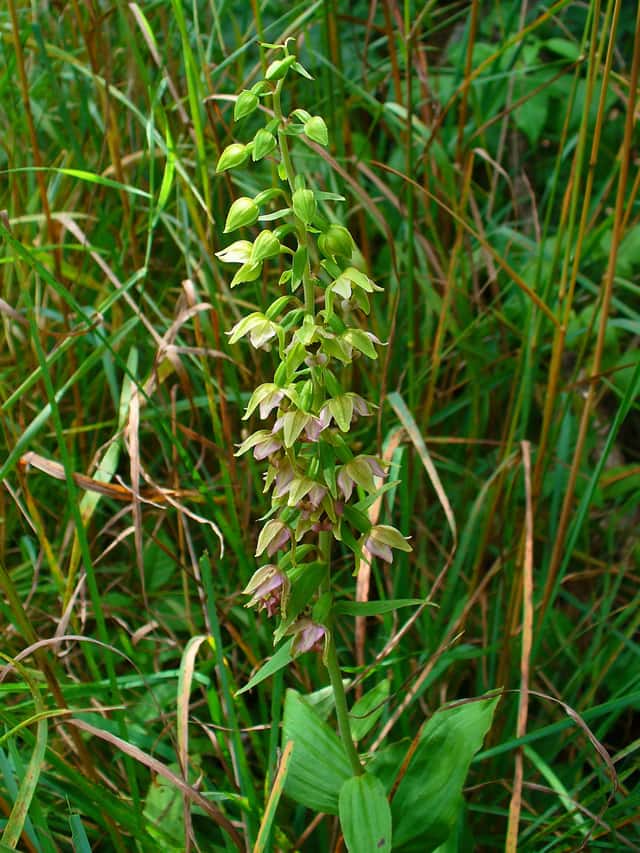
Broad-leaved Helleborine (Epipactis helleborine) is a hard-care plant from the Orchidaceae family. Epipactis helleborine, commonly known as the broad-leaved helleborine, is a terrestrial orchid native to Europe and Asia. It grows in woodland settings, relying on mycorrhizal fungi for germination and survival. Its tall stems bear broad, ribbed leaves and a drooping raceme of greenish-purple flower...
Broad-leaved Helleborine grows up to 90cm, spread of 30cm, watering every 7 days, 5°C – 25°C, 30–60% humidity. It is not suitable for indoor environments and safe for pets.
Unlike easy-care plants, Broad-leaved Helleborine demands constant attention to humidity and light. Not recommended for beginners. Unlike many popular species, Broad-leaved Helleborine is safe to keep around pets.
How to Care for Broad-leaved Helleborine?
TLDR: Broad-leaved Helleborine needs Partial shade, watering every 7 days, and temperatures between 5-25°C with 30-60% humidity.
How Often Should You Water Broad-leaved Helleborine?
Water every 7 days or when the top inch of soil feels dry. Avoid waterlogging — root rot is the main risk. Maintain consistent moisture during the growing season.
How Much Light Does Broad-leaved Helleborine Need?
Prefers dappled shade or partial sun, mimicking the forest floor. Avoid direct intense sunlight which scorches the leaves.
What Is the Best Soil for Broad-leaved Helleborine?
Use loamy, humus-rich, well-draining soil with a slightly acidic to neutral pH (5.5–7.0). Add leaf mold or compost to replicate its woodland habitat.
What Pot Should You Use for Broad-leaved Helleborine?
Terracotta or wooden garden containers with drainage holes, or best planted directly in a woodland garden bed.
What Is Broad-leaved Helleborine and Where Does It Come From?
Epipactis helleborine, commonly known as the broad-leaved helleborine, is a terrestrial orchid native to Europe and Asia. It grows in woodland settings, relying on mycorrhizal fungi for germination and survival. Its tall stems bear broad, ribbed leaves and a drooping raceme of greenish-purple flowers that bloom in summer.
How to Propagate Broad-leaved Helleborine?
Root Division
Division is the most reliable method but should be done sparingly as this orchid is sensitive to disturbance. Never divide more than once every 3-4 years.
- 1 Carefully dig up the plant in early spring before new growth
- 2 Separate root clusters ensuring each division has several roots and at least one growing point
- 3 Replant immediately in prepared woodland soil at the same depth
- 4 Water well and keep moist until established
Materials needed:
How Big Does Broad-leaved Helleborine Grow?
TLDR: Broad-leaved Helleborine can reach up to 90cm tall with Slow growth rate.
Max height
90cm
Spread
30cm
Growth rate
Slow
Foliage
Deciduous
Plant Uses
Ornamental
Great for decoration
Is your plant showing symptoms?
Click on the symptom to discover possible causes:
What Diseases Commonly Affect Broad-leaved Helleborine?
TLDR: Broad-leaved Helleborine is susceptible to 5 known diseases. Monitor regularly for early detection.
Aphids
Aphids are small, soft-bodied, pear-shaped insects (1/16 to 1/8 inch long) that feed by sucking nutrient-rich sap from plants. They reproduce rapidly and can quickly weaken plants, causing distorted growth and transmitting plant viruses. Aphids come in various colors including green, black, red, yellow, brown, and gray. They secrete honeydew, a sticky substance that attracts ants and encourages sooty mold growth.
Spider Mites
Spider mites are tiny arachnids (less than 1/20 inch long) related to spiders and ticks that feed on plant sap. They thrive in hot, dry conditions and can cause significant damage to ornamental and vegetable plants. During severe infestations, crop losses can reach 14% or higher as these pests disrupt vital plant processes including photosynthesis, carbon dioxide absorption, and transpiration.
Root Rot
Root rot is a serious fungal disease that affects the root system of plants, causing them to decay and die. It is primarily caused by overwatering, poor drainage, or soil-borne fungi such as Pythium, Phytophthora, Rhizoctonia, and Fusarium. The disease thrives in waterlogged conditions where roots are deprived of oxygen, making them susceptible to fungal infection.
Gray Mold (Botrytis Blight)
Gray mold, caused by the fungus Botrytis cinerea, is a widespread necrotrophic pathogen affecting over 1,400 plant species. It thrives in cool, humid conditions and attacks weakened or aging plant tissues, causing soft rot and characteristic gray fuzzy growth.
Meaning & Symbolism
Symbol of woodland mystery and the hidden web of life beneath the forest floor, representing symbiosis and resilience.
Fun Facts
It is pollinated almost exclusively by wasps, which become mildly intoxicated by the nectar — making it one of the few plants that exploits its pollinators.
Epipactis helleborine can self-pollinate, which contributes to its success as an invasive species in North America.
Despite being a native European orchid, it has naturalised across North America where it is considered an invasive weed in some states.
It relies on underground mycorrhizal fungi for seed germination — without the right fungal partner, seeds will not sprout.
Frequently asked questions
Is broad-leaved helleborine hard to grow?
How often should I water Epipactis helleborine?
Is broad-leaved helleborine toxic?
When does broad-leaved helleborine flower?
Compare with similar plants
| Attribute | Difficulty | Light | Watering | Pet Safe |
|---|---|---|---|---|
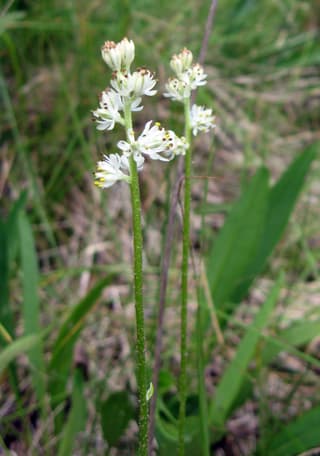
| Sticky false asphodel | Hard | Bright indirect | 1d | ✓ |
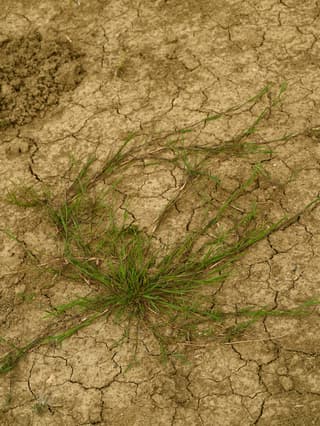
| Creeping bentgrass | Hard | Direct sun | 3d | ✓ |
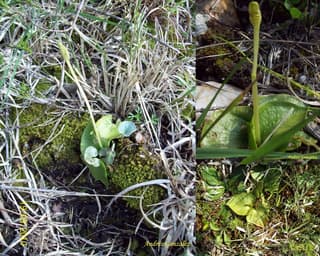
| Bulbous Adder's-tongue | Hard | Partial shade | 4d | ✓ |
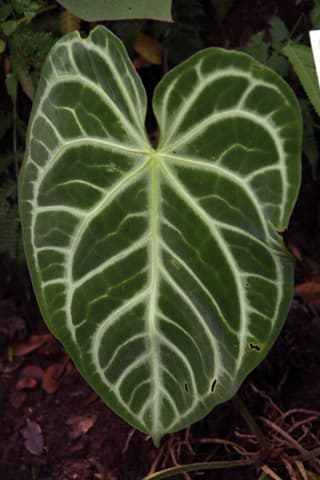
| Crystal Anthurium | Hard | Partial shade | 7d | ⚠️ |