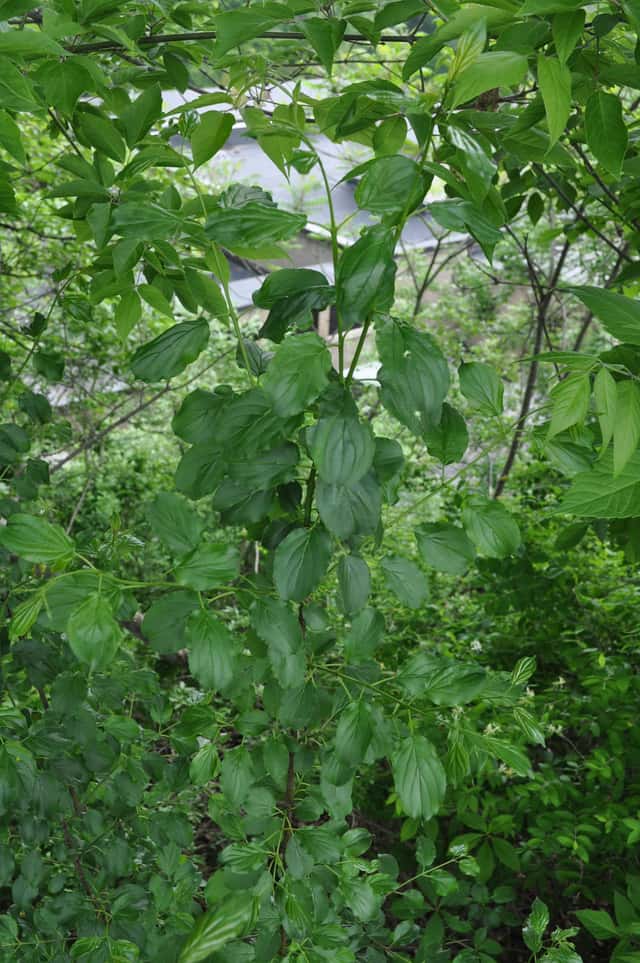
Rhamnaceae
Rhamnus (Buckthorn) Care Guide
Rhamnus
As a genus, Rhamnus is generally low-maintenance and adaptable once established, tolerating a wide range of soils and some drought. Plant in full sun to partial shade in well-draining soil; water regularly during the first growing season and then only during extended dry spells. Little fertilizing or pruning is required beyond an annual shape-up if grown as a hedge.
Every 10 days
Bright indirect
° - °C
% - %
Categories
What is Buckthorn?
Buckthorn (Rhamnus) is a easy-care plant from the Rhamnaceae family. Rhamnus is a genus of roughly 100 species of deciduous and evergreen shrubs and small trees in the family Rhamnaceae, commonly known as buckthorns. Native across the temperate Northern Hemisphere, including Europe, North Africa, temperate Asia, and North America, the genus includes cold-hardy decidu...
Buckthorn grows up to 10.0m, spread of 600cm, watering every 10 days. It is not suitable for indoor environments and safe for pets.
Unlike many tropical plants, Buckthorn tolerates watering mistakes. Best for beginners. Unlike many popular species, Buckthorn is safe to keep around pets.
How to Care for Buckthorn?
TLDR: Buckthorn needs Bright indirect, watering every 10 days, and temperatures between 15-30°C with 40-70% humidity.
How Often Should You Water Buckthorn?
Water new plantings deeply once a week during the growing season, more often in hot, dry weather. Established Rhamnus is fairly drought-tolerant and needs supplemental water only during prolonged dry spells.
How Much Light Does Buckthorn Need?
Grow in full sun for the best flowering and fruiting, though most species also tolerate partial shade, especially in hot climates.
What Is the Best Soil for Buckthorn?
Rhamnus is adaptable to sandy, loamy, or clay soils, from neutral to alkaline pH, as long as drainage is reasonably good; some species also tolerate periodically wet ground.
What Pot Should You Use for Buckthorn?
Rhamnus is best planted directly in the garden; if grown temporarily in a container while young, use a large pot (at least 40 cm / 16 in) with generous drainage holes and a free-draining potting mix.
What Is Buckthorn and Where Does It Come From?
Rhamnus is a genus of roughly 100 species of deciduous and evergreen shrubs and small trees in the family Rhamnaceae, commonly known as buckthorns. Native across the temperate Northern Hemisphere, including Europe, North Africa, temperate Asia, and North America, the genus includes cold-hardy deciduous species such as common buckthorn (R. cathartica) and alder buckthorn (R. frangula), as well as evergreen Mediterranean and West Coast species like R. alaternus and R. croceus. Buckthorns typically bear small, inconspicuous greenish-yellow flowers in spring, followed by clusters of small black or reddish berry-like drupes that are an important food source for birds. Several species carry thorny branch tips, hence the common name, and many are grown as hedging, screening, or wildlife shrubs, though a few, notably R. cathartica, are considered invasive outside their native range.
How to Propagate Buckthorn?
Propagation from seed
Fresh seed germinates far better than dried seed; birds that eat the berries naturally stratify the seed through their digestive tract, which is why buckthorn spreads so readily in the wild.
- 1 Collect ripe berries in autumn and remove the pulp
- 2 Cold-stratify cleaned seeds in moist sand for 3-4 months at 1-5 C (34-41 F)
- 3 Sow stratified seeds in trays or a nursery bed in early spring
- 4 Keep the soil consistently moist until seedlings emerge
- 5 Transplant seedlings once they have 2-3 true leaves
Materials needed:
Semi-hardwood cuttings
Bottom heat and a misting system significantly improve rooting success.
- 1 Take 10-15 cm semi-hardwood cuttings from new growth produced earlier in the growing season, in mid to late summer
- 2 Remove the lower leaves and dip the cut end in rooting hormone
- 3 Insert cuttings into a well-draining propagation mix
- 4 Keep in a humid, shaded environment until roots form
- 5 Pot on once a good root system has developed
Materials needed:
How Big Does Buckthorn Grow?
TLDR: Buckthorn can reach up to 10.0m tall with Medium growth rate.
Max height
10.0m
Spread
6.0m
Growth rate
Medium
Foliage
Semi-evergreen
Warning: Toxic Plant
This plant can be toxic if ingested. Keep out of reach of:
Plant Uses
Ornamental
Great for decoration
Medicinal
Medicinal properties
Medicinal Uses
- Historically the bark and ripe berries were used as a strong purgative and laxative in European folk medicine, though this use has been largely discontinued due to unpredictable, harsh side effects
Is your plant showing symptoms?
Click on the symptom to discover possible causes:
What Diseases Commonly Affect Buckthorn?
TLDR: Buckthorn is susceptible to 11 known diseases. Monitor regularly for early detection.
Leaf Spot
Leaf spot is a common fungal disease caused by various pathogens including Alternaria, Ascochyta, Colletotrichum, Septoria, and Venturia. It primarily affects leaves, causing discolored spots that can lead to premature leaf drop if left untreated.
Rust
Rust is a common fungal disease caused by fungi in the order Pucciniales that affects a wide variety of plants. The disease gets its name from the characteristic orange, yellow, or reddish-brown pustules that appear on leaves, resembling metal rust. This obligate fungal parasite requires living plants to survive and can cause significant economic losses in agricultural crops.
Powdery Mildew
Powdery mildew is a common fungal disease caused by various fungi species including Erysiphe, Podosphaera, Oïdium, and Leveillula. It affects over 10,000 plant species worldwide. The disease thrives in warm, dry climates with high humidity and appears as a distinctive white powdery coating on plant surfaces.
Aphids
Aphids are small, soft-bodied, pear-shaped insects (1/16 to 1/8 inch long) that feed by sucking nutrient-rich sap from plants. They reproduce rapidly and can quickly weaken plants, causing distorted growth and transmitting plant viruses. Aphids come in various colors including green, black, red, yellow, brown, and gray. They secrete honeydew, a sticky substance that attracts ants and encourages sooty mold growth.
Meaning & Symbolism
In European folk tradition, buckthorn bark and berries were long used as a purgative, and the plant became associated with cleansing and renewal; its thorny branches have also given it a folk reputation as a protective, boundary-marking hedge shrub.
Fun Facts
The genus name Rhamnus is the ancient Greek name for the plant, used by Theophrastus.
The species name of common buckthorn, cathartica, refers directly to its powerful laxative effect.
Buckthorn bark yields a range of dyes, from yellow to green to black, historically used by artists and textile dyers.
Rhamnus cathartica is an alternate host for crown rust of oats and an overwintering host for the invasive soybean aphid, making it an agricultural concern in parts of North America.
Frequently asked questions
Is Rhamnus (buckthorn) poisonous?
Is Rhamnus invasive?
How much sun does Rhamnus need?
How fast does Rhamnus grow?
Compare with similar plants
| Attribute | Difficulty | Light | Watering | Pet Safe |
|---|---|---|---|---|
| Field Maple | Easy | Bright indirect | 14d | ✓ |
| Silver Birch | Easy | Direct sun | 14d | ✓ |
| Common Blanketflower | Easy | Direct sun | 10d | ✓ |
| Cushion Bush | Easy | Direct sun | 14d | ✓ |





