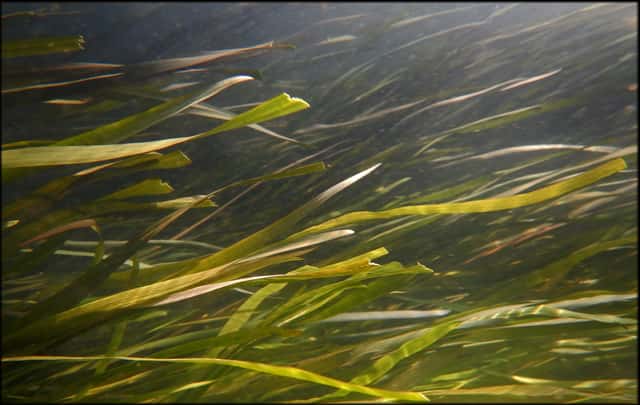
Typhaceae
Sparganium (Bur-Reed) Care Guide
Sparganium
Grow bur-reed at a pond margin or in a waterlogged bog bed with full sun to light shade. Keep the roots permanently submerged or saturated -- this plant does not tolerate drying out. It is otherwise low-maintenance, largely pest- and disease-free, and spreads readily by rhizome, so divide every few years to keep it in bounds.
Every 1 days
Bright indirect
5° - 28°C
70% - 100%
Categories
What is Bur-reed?
Bur-reed (Sparganium) is a easy-care plant from the Typhaceae family. Sparganium, commonly known as bur-reed, is a genus of perennial aquatic and marginal wetland plants native to temperate regions across the Northern Hemisphere. Rising from creeping rhizomes, its narrow strap-like leaves and spiky, ball-shaped flower heads make it a striking addition to pond edges, b...
Bur-reed grows up to 1.5m, spread of 300cm, watering every 1 days, 5°C – 28°C, 70–100% humidity. It is not suitable for indoor environments and safe for pets.
Unlike many tropical plants, Bur-reed tolerates watering mistakes. Best for beginners. Unlike many popular species, Bur-reed is safe to keep around pets.
How to Care for Bur-reed?
TLDR: Bur-reed needs Bright indirect, watering every 1 days, and temperatures between 5-28°C with 70-100% humidity.
How Often Should You Water Bur-reed?
Never let the root zone dry out -- bur-reed is a true aquatic/marginal plant and needs standing water or waterlogged soil at all times, with water depth up to about 45 cm for mature stands.
How Much Light Does Bur-reed Need?
Provide full sun for the best flowering and densest growth, though bur-reed tolerates partial shade reasonably well.
What Is the Best Soil for Bur-reed?
Plant in heavy loam, clay, or silty pond-margin soil rich in organic matter; drainage is irrelevant since the plant grows submerged or waterlogged.
What Pot Should You Use for Bur-reed?
Use a wide, unglazed aquatic planting basket lined with hessian or soil-appropriate mesh, weighted with loamy pond soil, so the crown sits at or just below the water surface.
What Is Bur-reed and Where Does It Come From?
Sparganium, commonly known as bur-reed, is a genus of perennial aquatic and marginal wetland plants native to temperate regions across the Northern Hemisphere. Rising from creeping rhizomes, its narrow strap-like leaves and spiky, ball-shaped flower heads make it a striking addition to pond edges, bog gardens, and natural wetland restorations. Bur-reed thrives with its base submerged or in permanently saturated soil, playing an important ecological role by filtering water, stabilizing shorelines, and providing food and shelter for waterfowl and aquatic invertebrates.
How to Propagate Bur-reed?
Rhizome division
Divide every 2-3 years to control spread and rejuvenate vigor; use clean, sharp tools to avoid rhizome rot.
- 1 In early spring, lift or expose a clump of rhizomes at the pond margin.
- 2 Cut the rhizome into sections, each with at least one healthy shoot and root mass.
- 3 Replant sections directly into loamy, waterlogged soil or aquatic planting baskets.
- 4 Keep the new divisions submerged or saturated until established.
Materials needed:
Seed sowing
Fresh seed germinates far more reliably than stored seed; cold stratification can improve results.
- 1 Collect ripe seed heads in late summer or autumn.
- 2 Sow fresh seed at around 15C (59F) in wet compost or shallow water trays.
- 3 Keep the sowing medium constantly wet until germination.
- 4 Transplant seedlings to the pond margin once large enough to handle.
Materials needed:
How Big Does Bur-reed Grow?
TLDR: Bur-reed can reach up to 1.5m tall with Fast growth rate.
Max height
1.5m
Spread
3.0m
Growth rate
Fast
Foliage
Semi-evergreen
Plant Uses
Ornamental
Great for decoration
Ground Cover
Soil coverage
Is your plant showing symptoms?
Click on the symptom to discover possible causes:
What Diseases Commonly Affect Bur-reed?
TLDR: Bur-reed is susceptible to 2 known diseases. Monitor regularly for early detection.
Powdery Mildew
Powdery mildew is a common fungal disease caused by various fungi species including Erysiphe, Podosphaera, Oïdium, and Leveillula. It affects over 10,000 plant species worldwide. The disease thrives in warm, dry climates with high humidity and appears as a distinctive white powdery coating on plant surfaces.
Grey Mould
Meaning & Symbolism
Bur-reed symbolizes resilience and quiet purification -- its rhizomes anchor pond margins, filter water, and shelter wildlife, making it an emblem of steady growth and ecological balance in wetland folklore.
Fun Facts
Bur-reed gets its name from its spiky, bur-like spherical flower and seed heads.
Its rhizomes contain aerenchyma tissue that channels oxygen down to the roots in oxygen-poor mud.
Waterfowl and marsh birds rely on bur-reed seeds and stands for food and nesting cover.
Frequently asked questions
How much water does bur-reed need?
Does bur-reed need full sun?
Is bur-reed invasive?
What pests or diseases affect bur-reed?
Compare with similar plants
| Attribute | Difficulty | Light | Watering | Pet Safe |
|---|---|---|---|---|
| Field Maple | Easy | Bright indirect | 14d | ✓ |
| Silver Birch | Easy | Direct sun | 14d | ✓ |
| Common Blanketflower | Easy | Direct sun | 10d | ✓ |
| Cushion Bush | Easy | Direct sun | 14d | ✓ |





