Apocynaceae
How to Grow and Care for Butterfly Weed (Asclepias tuberosa)
Asclepias tuberosa
Full sun, infrequent deep watering once established, excellent drainage. Extremely low-maintenance once roots are set. Do not disturb the deep taproot. Cut back in late fall or early spring.
Every 14 days
Direct sun
-40° - 38°C
30% - 60%
Categories
What is Butterfly Weed?
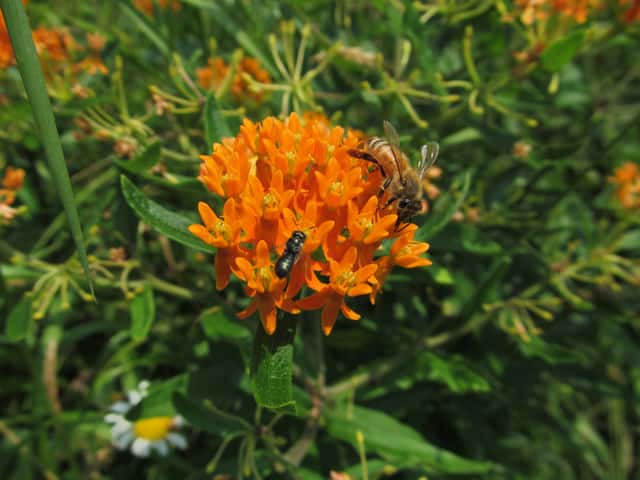
Butterfly Weed (Asclepias tuberosa) is a easy-care plant from the Apocynaceae family. Asclepias tuberosa, commonly known as Butterfly Weed, is a stunning native North American perennial celebrated for its vivid clusters of bright orange flowers that bloom from late spring through summer. A critical host plant for monarch butterflies, it provides food for their caterpillars and nectar...
Butterfly Weed grows up to 60cm, spread of 45cm, watering every 14 days, -40°C – 38°C, 30–60% humidity. It is not suitable for indoor environments and not safe for pets.
Unlike many tropical plants, Butterfly Weed tolerates watering mistakes. Best for beginners. Without precautions, ingestion can cause irritation in pets. Keep out of reach of cats and dogs.
How to Care for Butterfly Weed?
TLDR: Butterfly Weed needs Direct sun, watering every 14 days, and temperatures between -40-38°C with 30-60% humidity.
How Often Should You Water Butterfly Weed?
Water deeply but infrequently — only when the top 2 inches of soil are dry. Once established, Butterfly Weed is highly drought-tolerant and rarely needs supplemental irrigation. Overwatering is the most common cause of death.
How Much Light Does Butterfly Weed Need?
Requires full sun (6+ hours of direct sunlight daily). Insufficient light leads to weak stems and poor flowering. Avoid any shaded positions.
What Is the Best Soil for Butterfly Weed?
Thrives in lean, sandy or gravelly, well-drained soils. Does not tolerate wet feet or heavy clay. Avoid amending with rich organic matter — this plant prefers poor soil conditions.
What Pot Should You Use for Butterfly Weed?
No pot needed — best grown directly in garden beds. If containerized, use a tall, deep pot (at least 18 inches deep) to accommodate the taproot, with excellent drainage holes.
Care Schedule
Fertilize
Every 90 days
What Is Butterfly Weed and Where Does It Come From?
Asclepias tuberosa, commonly known as Butterfly Weed, is a stunning native North American perennial celebrated for its vivid clusters of bright orange flowers that bloom from late spring through summer. A critical host plant for monarch butterflies, it provides food for their caterpillars and nectar for countless pollinators. This drought-tolerant, deep-rooted wildflower thrives in poor, well-drained soils and requires very little maintenance once established.
How to Propagate Butterfly Weed?
Seed Propagation
Direct sowing in fall mimics natural conditions and is the most reliable method. Avoid transplanting mature plants due to the sensitive taproot.
- 1 Cold-stratify seeds for 30 days at 35-38°F (refrigerator)
- 2 Sow seeds directly outdoors in fall or start indoors 6-8 weeks before last frost
- 3 Press seeds onto surface of well-draining mix, barely cover
- 4 Keep moist until germination; thin to 12 inches apart
- 5 Transplant carefully — taproots do not like disturbance
Materials needed:
Root Cutting
Root cuttings are challenging due to the sensitive taproot. Handle minimally and plant immediately after cutting.
- 1 In early spring, dig carefully around the crown
- 2 Cut 4-inch sections of the thick taproot
- 3 Replant sections horizontally 2-3 inches deep in well-drained soil
- 4 Water once and wait — avoid overwatering
Materials needed:
How Big Does Butterfly Weed Grow?
TLDR: Butterfly Weed can reach up to 60cm tall with Slow growth rate.
Max height
60cm
Spread
45cm
Growth rate
Slow
Foliage
Deciduous
Warning: Toxic Plant
This plant can be toxic if ingested. Keep out of reach of:
Plant Uses
Ornamental
Great for decoration
Medicinal Uses
- Roots historically used by Native Americans to treat pleurisy and respiratory conditions
- Contains cardiac glycosides — do not self-medicate
Is your plant showing symptoms?
Click on the symptom to discover possible causes:
What Diseases Commonly Affect Butterfly Weed?
TLDR: Butterfly Weed is susceptible to 6 known diseases. Monitor regularly for early detection.
Aphids
Aphids are small, soft-bodied, pear-shaped insects (1/16 to 1/8 inch long) that feed by sucking nutrient-rich sap from plants. They reproduce rapidly and can quickly weaken plants, causing distorted growth and transmitting plant viruses. Aphids come in various colors including green, black, red, yellow, brown, and gray. They secrete honeydew, a sticky substance that attracts ants and encourages sooty mold growth.
Root Rot
Root rot is a serious fungal disease that affects the root system of plants, causing them to decay and die. It is primarily caused by overwatering, poor drainage, or soil-borne fungi such as Pythium, Phytophthora, Rhizoctonia, and Fusarium. The disease thrives in waterlogged conditions where roots are deprived of oxygen, making them susceptible to fungal infection.
Leaf Spot
Leaf spot is a common fungal disease caused by various pathogens including Alternaria, Ascochyta, Colletotrichum, Septoria, and Venturia. It primarily affects leaves, causing discolored spots that can lead to premature leaf drop if left untreated.
Rust
Rust is a common fungal disease caused by fungi in the order Pucciniales that affects a wide variety of plants. The disease gets its name from the characteristic orange, yellow, or reddish-brown pustules that appear on leaves, resembling metal rust. This obligate fungal parasite requires living plants to survive and can cause significant economic losses in agricultural crops.
Meaning & Symbolism
In many cultures the Butterfly Weed symbolizes resilience and transformation, mirroring the monarch butterfly lifecycle. Native Americans historically used the roots medicinally to treat pleurisy and respiratory ailments.
Fun Facts
Butterfly Weed is one of the few milkweeds without milky sap — its sap is clear
The deep taproot can reach 18 inches or more, making it nearly impossible to transplant once established
Monarch butterfly caterpillars sequester toxic cardiac glycosides from the plant, making themselves poisonous to predators
It was historically called Pleurisy Root because Native Americans used it to treat lung inflammation
Frequently asked questions
How often should I water Butterfly Weed?
Will Butterfly Weed attract monarch butterflies?
Is Butterfly Weed toxic to pets?
Why is my Butterfly Weed not blooming?
Does Butterfly Weed come back every year?
Compare with similar plants
| Attribute | Difficulty | Light | Watering | Pet Safe |
|---|---|---|---|---|
| Field Maple | Easy | Bright indirect | 14d | ✓ |
| Silver Birch | Easy | Direct sun | 14d | ✓ |
| Common Blanketflower | Easy | Direct sun | 10d | ✓ |
| Cushion Bush | Easy | Direct sun | 14d | ✓ |





