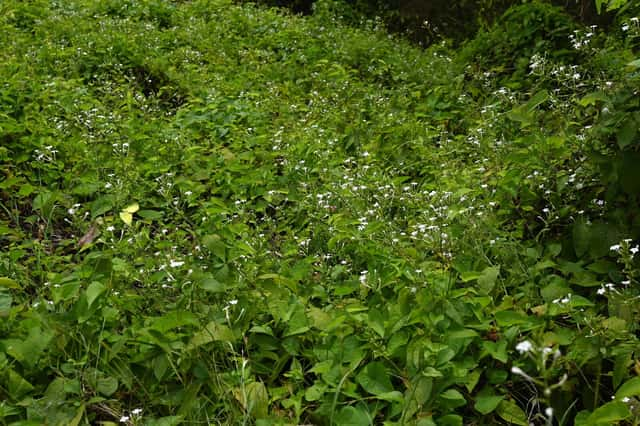
Plumbaginaceae
Ceylon leadwort (Plumbago zeylanica)
Plumbago zeylanica
An easy, fast-growing shrub for full sun or part shade in sandy, well-drained soil. Water regularly until established; after that it handles drought. Prune to keep it in bounds and wear gloves, since the sap irritates skin.
Every 7 days
Bright indirect
-3° - °C
% - %
Categories
What is Ceylon leadwort?
Ceylon leadwort (Plumbago zeylanica) is a easy-care plant from the Plumbaginaceae family. Plumbago zeylanica is a scrambling evergreen shrub found across the tropics of Africa, Asia, Australia and the Americas, including Florida. It grows on forest edges, in savanna and open, disturbed ground, reaching 1 to 2 m, with ridged stems that lean on neighbouring plants. The leaves are oval, 1.5...
Ceylon leadwort grows up to 2.0m, spread of 120cm, watering every 7 days. It is not suitable for indoor environments and safe for pets.
Unlike many tropical plants, Ceylon leadwort tolerates watering mistakes. Best for beginners. Unlike many popular species, Ceylon leadwort is safe to keep around pets.
How to Care for Ceylon leadwort?
TLDR: Ceylon leadwort needs Bright indirect, watering every 7 days, and temperatures between -3-30°C with 40-70% humidity.
How Often Should You Water Ceylon leadwort?
Water often for the first few weeks after planting. Once established, water only in dry spells, letting the soil dry between waterings.
How Much Light Does Ceylon leadwort Need?
Prefers full sun; it also grows in part shade, with fewer flowers.
What Is the Best Soil for Ceylon leadwort?
Sandy, well-drained soil, slightly acidic to slightly alkaline (pH 6.1 to 7.1). Tolerates poor soil.
What Pot Should You Use for Ceylon leadwort?
A large pot with good drainage; it does best in the ground with room to spread.
What Is Ceylon leadwort and Where Does It Come From?
Plumbago zeylanica is a scrambling evergreen shrub found across the tropics of Africa, Asia, Australia and the Americas, including Florida. It grows on forest edges, in savanna and open, disturbed ground, reaching 1 to 2 m, with ridged stems that lean on neighbouring plants. The leaves are oval, 1.5 to 9 cm long. The flowers are white, with five petals and a slender tube 1.5 to 2 cm long; the calyx is covered in sticky glandular hairs that cling to clothing and animals. In frost-free climates it flowers almost all year and draws bees and butterflies. The root, known as chitrak, is used in Ayurvedic medicine, but the plant is a strong skin irritant.
How to Propagate Ceylon leadwort?
Stem cuttings
Wear gloves: contact with leaves and roots can blister skin.
- 1 Wearing gloves, cut 10-15 cm shoot tips
- 2 Strip the lower leaves
- 3 Insert in moist, sandy mix
- 4 Keep in part shade and moist until rooted
Materials needed:
Seed
The capsules are sticky because of the glandular hairs; handle them carefully.
- 1 Collect the dry capsules and remove the seeds
- 2 Sow shallowly in a sandy mix
- 3 Keep moist in a warm, bright spot
Materials needed:
How Big Does Ceylon leadwort Grow?
TLDR: Ceylon leadwort can reach up to 2.0m tall with Fast growth rate.
Max height
2.0m
Spread
1.2m
Growth rate
Fast
Foliage
Evergreen
Warning: Toxic Plant
This plant can be toxic if ingested. Keep out of reach of:
Plant Uses
Ornamental
Great for decoration
Medicinal
Medicinal properties
Medicinal Uses
- The root (chitrak) is used in Ayurvedic medicine, mainly for digestion; it contains plumbagin, which is toxic and irritant, so don't use it without medical advice
Is your plant showing symptoms?
Click on the symptom to discover possible causes:
What Diseases Commonly Affect Ceylon leadwort?
TLDR: Ceylon leadwort is susceptible to 3 known diseases. Monitor regularly for early detection.
Thrips
Thrips are tiny cigar-shaped insects (1/25-inch long) that damage plants by sucking plant juices and scraping at fruits, flowers, and leaves. With over 6,000 species and rapid reproduction (lifecycle as short as 14 days), they can quickly infest plants and transmit viruses like tomato spotted wilt virus.
Scale Insects
Scale insects are small sap-sucking pests that appear as brown, shell-like bumps on plant stems and leaves. There are over 25 species, divided into armored (hard) and unarmored (soft) scales. They feed by piercing plant tissue and extracting sap, which weakens the plant and can lead to yellowing, stunted growth, and even death if left untreated. They also excrete honeydew, which attracts ants and promotes sooty mold growth.
Spider Mites
Spider mites are tiny arachnids (less than 1/20 inch long) related to spiders and ticks that feed on plant sap. They thrive in hot, dry conditions and can cause significant damage to ornamental and vegetable plants. During severe infestations, crop losses can reach 14% or higher as these pests disrupt vital plant processes including photosynthesis, carbon dioxide absorption, and transpiration.
Fun Facts
The sticky hairs on the calyx cling to clothes and animal fur, spreading the seeds
It is a larval host plant for the Cassius blue butterfly
The name zeylanica comes from Zeylan, an old name for Sri Lanka
Frequently asked questions
Is Plumbago zeylanica toxic?
How is it different from blue plumbago?
Is it cold hardy?
Does it need pruning?
Compare with similar plants
| Attribute | Difficulty | Light | Watering | Pet Safe |
|---|---|---|---|---|
| Field Maple | Easy | Bright indirect | 14d | ✓ |
| Iberian Houseleek | Easy | Direct sun | 14d | ✓ |
| Silver Birch | Easy | Direct sun | 14d | ✓ |
| Common Blanketflower | Easy | Direct sun | 10d | ✓ |





