Rutaceae
Citrus: Growing and Care Guide
Citrus
Grow in a spot with at least 6 hours of direct sunlight, in well-drained, slightly acidic soil (pH 6.0-7.0). Water deeply every 5-7 days, avoiding waterlogging. Fertilize every 6-8 weeks during the growing season and protect from frost in cooler climates.
Every 6 days
Direct sun
13° - 35°C
40% - 70%
Categories
What is Citrus?
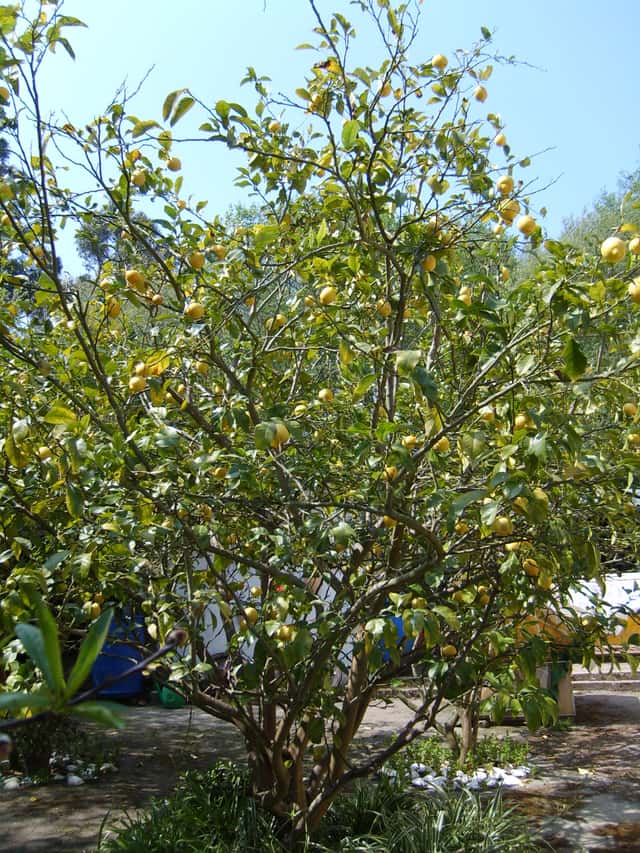
Citrus (Citrus) is a medium-care plant from the Rutaceae family. The genus Citrus comprises evergreen trees and shrubs - including oranges, lemons, limes, and mandarins - native to Southeast Asia and belonging to the Rutaceae family. Prized for their fragrant white flowers and edible fruit, citrus plants feature glossy, aromatic dark-green foliage and are grown i...
Citrus grows up to 6.0m, spread of 400cm, watering every 6 days, 13°C – 35°C, 40–70% humidity. It is suitable for indoor environments and not safe for pets.
Without precautions, ingestion can cause irritation in pets. Keep out of reach of cats and dogs. Without adequate drainage, root rot can develop within 12 days.
How to Care for Citrus?
TLDR: Citrus needs Direct sun, watering every 6 days, and temperatures between 13-35°C with 40-70% humidity.
How Often Should You Water Citrus?
Water deeply and let the topsoil dry out between waterings, roughly every 5 to 7 days. Avoid soggy soil, as excess moisture promotes root rot.
How Much Light Does Citrus Need?
Citrus trees need full sun - at least 6 hours of direct light daily - to flower and produce quality fruit. Partial shade significantly reduces growth and fruiting.
What Is the Best Soil for Citrus?
Choose sandy to loamy soil rich in organic matter with good drainage and a slightly acidic pH between 6.0 and 7.0. In containers, use a citrus-specific potting mix or blend garden soil with coarse sand.
What Pot Should You Use for Citrus?
Large containers (40-50L / 10-13 gal or more) with multiple drainage holes, preferably terracotta, which helps prevent excess moisture around the roots.
Care Schedule
Fertilize
Every 49 days
Repot
Every 730 days
What Is Citrus and Where Does It Come From?
The genus Citrus comprises evergreen trees and shrubs - including oranges, lemons, limes, and mandarins - native to Southeast Asia and belonging to the Rutaceae family. Prized for their fragrant white flowers and edible fruit, citrus plants feature glossy, aromatic dark-green foliage and are grown in orchards, gardens, and containers throughout subtropical and tropical climates worldwide.
How to Propagate Citrus?
Grafting
This is the standard commercial method, as it preserves the variety's characteristics and fruits faster than seed-grown trees.
- 1 Choose a vigorous, disease-resistant rootstock
- 2 Make a T-cut or wedge cut in the rootstock
- 3 Insert a bud or scion from the desired variety
- 4 Tie and seal the graft union with grafting tape
- 5 Keep protected until the tissues heal together
Materials needed:
Seed
Seed-grown trees can take years to fruit and may not retain the exact traits of the parent fruit.
- 1 Remove seeds from a ripe fruit and rinse well
- 2 Plant immediately in light, moist potting mix about 1 cm deep
- 3 Keep warm with indirect light until germination
- 4 Transplant the seedling once it develops true leaves
Materials needed:
How Big Does Citrus Grow?
TLDR: Citrus can reach up to 6.0m tall with Medium growth rate.
Max height
6.0m
Spread
4.0m
Growth rate
Medium
Foliage
Evergreen
Warning: Toxic Plant
This plant can be toxic if ingested. Keep out of reach of:
Plant Uses
Edible
Can be consumed
Aromatic
Pleasant fragrance
Ornamental
Great for decoration
Medicinal Uses
- Rich source of vitamin C
- Essential oil with calming and antiseptic properties
- Peel used in digestive teas
Culinary Uses
- Eaten fresh
- Juices and beverages
- Zest and peel in sweet and savory recipes
- Flavoring for drinks and desserts
Is your plant showing symptoms?
Click on the symptom to discover possible causes:
What Diseases Commonly Affect Citrus?
TLDR: Citrus is susceptible to 7 known diseases. Monitor regularly for early detection.
Citrus Greening (Huanglongbing)
Citrus Greening is the most serious disease in global citrus production. Caused by a bacterium transmitted by the psyllid insect, it attacks the plant's vascular system, preventing the circulation of nutrients. There is no cure for infected plants, and management focuses on the removal of diseased plants and the control of the insect vector.
Canker
Canker is a disease caused by various fungi and bacteria that create necrotic, sunken areas on bark of branches, stems, and trunks. Pathogens enter through wounds and natural openings, especially when plants are stressed. Canker can gradually weaken or kill branches by disrupting water and nutrient flow.
Aphids
Aphids are small, soft-bodied, pear-shaped insects (1/16 to 1/8 inch long) that feed by sucking nutrient-rich sap from plants. They reproduce rapidly and can quickly weaken plants, causing distorted growth and transmitting plant viruses. Aphids come in various colors including green, black, red, yellow, brown, and gray. They secrete honeydew, a sticky substance that attracts ants and encourages sooty mold growth.
Scale Insects
Scale insects are small sap-sucking pests that appear as brown, shell-like bumps on plant stems and leaves. There are over 25 species, divided into armored (hard) and unarmored (soft) scales. They feed by piercing plant tissue and extracting sap, which weakens the plant and can lead to yellowing, stunted growth, and even death if left untreated. They also excrete honeydew, which attracts ants and promotes sooty mold growth.
Meaning & Symbolism
In Western culture, citrus blossom symbolizes purity and is traditionally used in wedding bouquets, while the fruit itself represents vitality, abundance, and prosperity.
Fun Facts
Orange blossom is the official state flower of Florida, USA
Many citrus varieties, like the tangelo and Persian lime, are natural or human-made hybrids
Crushed citrus leaves release a distinctive citrus aroma from tiny essential oil glands
Frequently asked questions
How long does it take for a Citrus tree to bear fruit?
Can Citrus be grown in a pot?
How do I protect citrus from cold weather?
What are the most common citrus diseases?
Compare with similar plants
| Attribute | Difficulty | Light | Watering | Pet Safe |
|---|---|---|---|---|
| Dark Fieldcap | Medium | Low light | 2d | ⚠️ |
| Azalea | Medium | Partial shade | 3d | ⚠️ |
| Muriel's Bamboo | Medium | Partial shade | 3d | ✓ |
| Bougainvillea | Medium | Direct sun | 7d | ⚠️ |
Choose & Compare
Sources & References
- Cultivating Citrus in Central Florida: A Comprehensive Guide - UF/IFAS Extension
- 2025-2026 Florida Citrus Production Guide: Citrus Cold Protection - UF/IFAS
- Citrus Tree Care Guide - The Sill
- Common Citrus Tree Pests and Diseases - The Sill
- Common Citrus Pests and Diseases: Identification and Control




