Verrucariaceae
clam lichen: Pet-Safe Plant
Normandina pulchella
Extremely difficult to cultivate artificially; requires constant high humidity and clean air, typically thriving only in its natural mossy habitat.
Every 2 days
Partial shade
5° - 22°C
70% - 95%
Categories
What is clam lichen?
clam lichen (Normandina pulchella) is a hard-care plant from the Verrucariaceae family. Normandina pulchella, commonly known as the clam lichen, is a small, squamulose lichen characterized by its distinctive shell-shaped or ear-shaped lobes. It typically displays a pale sea-green to bluish-gray color and often features soredia (asexual reproductive structures) along the margins. It gro...
clam lichen grows up to 1cm, spread of 10cm, watering every 2 days, 5°C – 22°C, 70–95% humidity. It is not suitable for indoor environments and safe for pets.
Unlike easy-care plants, clam lichen demands constant attention to humidity and light. Not recommended for beginners. Unlike many popular species, clam lichen is safe to keep around pets.
How to Care for clam lichen?
TLDR: clam lichen needs Partial shade, watering every 2 days, and temperatures between 5-22°C with 70-95% humidity.
How Often Should You Water clam lichen?
Requires frequent misting to simulate fog or dew; the thallus must remain hydrated to stay metabolically active.
How Much Light Does clam lichen Need?
Prefers dappled shade or filtered light; direct sunlight will quickly dehydrate the thallus.
What Is the Best Soil for clam lichen?
Does not grow in soil; requires a substrate of bryophytes (mosses) or acidic tree bark.
What Pot Should You Use for clam lichen?
Best left on its natural substrate like bark or mossy stone; not suitable for traditional potting.
Care Schedule
Misting
Every 1 days
What Is clam lichen and Where Does It Come From?
Normandina pulchella, commonly known as the clam lichen, is a small, squamulose lichen characterized by its distinctive shell-shaped or ear-shaped lobes. It typically displays a pale sea-green to bluish-gray color and often features soredia (asexual reproductive structures) along the margins. It grows epiphytically on mossy tree trunks or rocks in humid, temperate environments.
How to Propagate clam lichen?
Fragmentation
- Use only rainwater or distilled water as lichens are highly sensitive to chlorine and minerals.
- Ensure high air quality as pollutants will kill the specimen.
- 1 Substrate Selection
Identify a mossy, damp bark surface similar to the parent colony's environment.
- 2 Fragment Placement
Gently place small squamules (flakes) of the lichen onto the moist moss.
- 3 Moisture Maintenance
Maintain near-constant saturation through misting with rainwater.
Materials needed:
How Big Does clam lichen Grow?
TLDR: clam lichen can reach up to 1cm tall with Slow growth rate.
Max height
1cm
Spread
10cm
Growth rate
Slow
Foliage
Evergreen
Plant Uses
Ornamental
Great for decoration
Is your plant showing symptoms?
Click on the symptom to discover possible causes:
Meaning & Symbolism
Represents resilience and the delicate balance of symbiotic ecosystems.
Compare with similar plants
| Attribute | Difficulty | Light | Watering | Pet Safe |
|---|---|---|---|---|
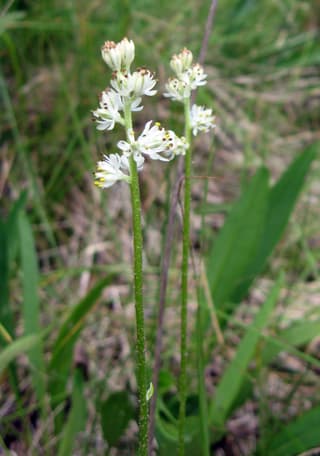
| Sticky false asphodel | Hard | Bright indirect | 1d | ✓ |
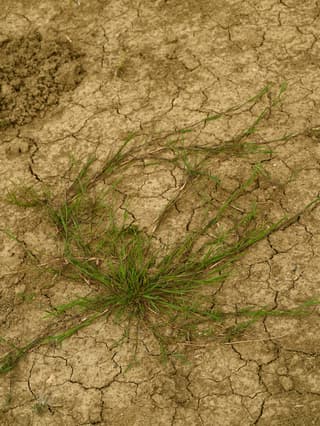
| Creeping bentgrass | Hard | Direct sun | 3d | ✓ |
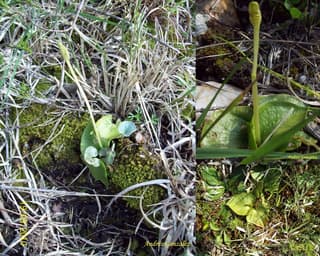
| Bulbous Adder's-tongue | Hard | Partial shade | 4d | ✓ |
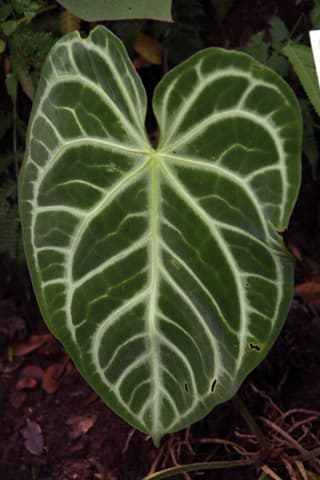
| Crystal Anthurium | Hard | Partial shade | 7d | ⚠️ |